
Beautiful Plants For Your Interior
Beautiful Plants For Your Interior
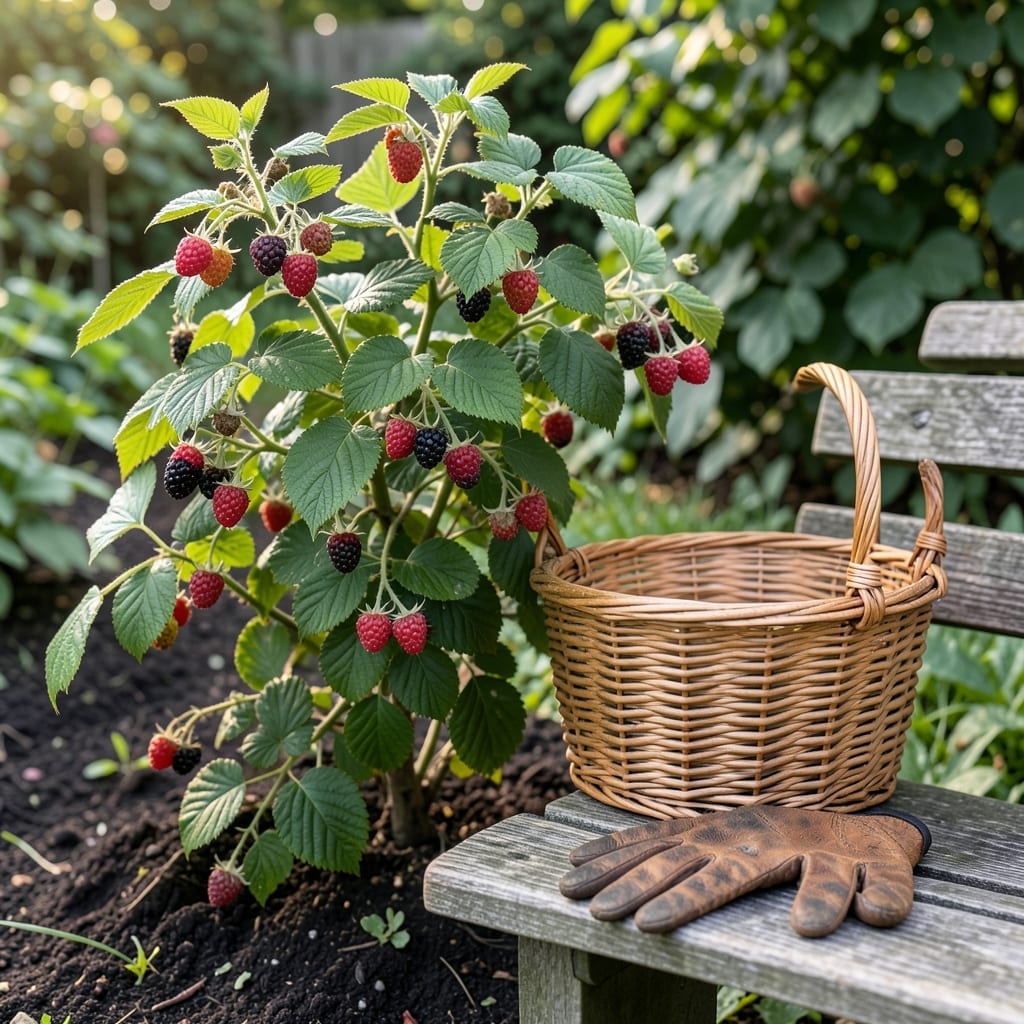
Nothing beats the taste of fresh, sun-ripened 🍇 Raspberry picked straight from your garden—but timing is everything. If you’ve ever missed that perfect harvest window, you know how frustrating it can be.
In zones 4-8, these delicious berries thrive with the right seasonal approach. Whether you’re planting in early spring or late fall, understanding their growth cycle makes all the difference.
Discover the exact timing that transforms your garden into a berry paradise. Let’s make this your most productive Raspberry season yet.

If you’re wondering when raspberries grow, the answer depends on the variety. Summer-bearing raspberries produce one large harvest in early to mid-summer, typically around June or July. These are perfect for gardeners who want a concentrated burst of berries. ☀️
Fall-bearing raspberries, on the other hand, produce fruit on first-year canes in late summer to early fall. Some varieties, called everbearing, can even give you a second small harvest the following spring. This makes them ideal for extending your harvest season. 🌿
| Variety | Fruiting Time | Harvest Duration | Best For |
|---|---|---|---|
| Summer-Bearing | June-July | 2-3 weeks | Single large harvest |
| Fall-Bearing | August-September | 4-6 weeks | Extended harvest |
| Everbearing | Summer & Fall | 6-8 weeks total | Two harvests |
Climate plays a huge role in raspberry growth timing. In cooler zones like USDA 4-5, summer-bearing varieties may fruit a bit later, while warmer zones 7-8 can see earlier harvests. I always recommend checking your local frost dates to fine-tune planting and harvest expectations. 🌡️
For summer-bearing raspberries, the canes planted in early spring will focus on root and cane development in their first year. They won’t fruit until the second summer, but the wait is worth it. The berries are typically larger and more abundant during this primary harvest window. ✂️
Fall-bearing varieties are the overachievers of the raspberry world. They produce fruit on first-year canes, meaning you can enjoy berries in the very first fall after planting. This makes them a favorite for gardeners who want quick results without the long wait. 🌱
If you live in a region with mild winters, you might even get a small spring harvest from fall-bearing plants. The canes that fruited in the fall can produce again the following spring before they die back. This dual harvest is a great way to maximize your raspberry yield. 🌳
For the best results, I suggest planting a mix of summer and fall-bearing varieties. This way, you can enjoy fresh raspberries from early summer through fall. Plus, it spreads out the work of harvesting and processing, so you’re not overwhelmed with berries all at once. 🌻
Remember that proper pruning is key to maintaining your raspberry plants’ productivity. Summer-bearing varieties should be pruned right after harvest, while fall-bearing types benefit from a late winter pruning to encourage strong new growth. 🪴
No matter which variety you choose, consistent watering and well-draining soil are essential. Raspberries have shallow roots, so they need regular moisture, especially during fruit development. A layer of mulch can help retain soil moisture and keep weeds at bay. 💧
Want to enjoy fresh raspberries for months instead of weeks? With smart planning, you can stretch your harvest from early summer through first frost. I’ve found that mixing varieties and care techniques makes all the difference. 🌱
The key is staggered planting of different raspberry types. Start with early summer-bearing varieties, then add mid-season and fall-bearing plants to create a continuous supply of berries. ☀️
Another trick is succession planting. Plant new canes every 2-3 weeks in early spring. This creates a rolling harvest as different plantings mature at different times. It’s like having a raspberry assembly line in your garden. 🌿
Don’t forget about container growing. Potted raspberries can be moved to optimal sun spots and even brought indoors during early frost to extend the season. I’ve had great success with dwarf varieties in large containers. 🪴
Proper pruning techniques also help maximize your harvest window. For summer-bearing types, prune old canes immediately after harvest to make room for new growth. For fall-bearing, cut back all canes in late winter to encourage fresh, productive shoots. ✂️
Finally, mulching and fertilizing keep plants healthy and productive longer. A 2-3 inch layer of organic mulch retains moisture and suppresses weeds, while a balanced fertilizer applied in early spring gives plants the nutrients they need for a long harvest season. 💧