
Beautiful Plants For Your Interior
Beautiful Plants For Your Interior
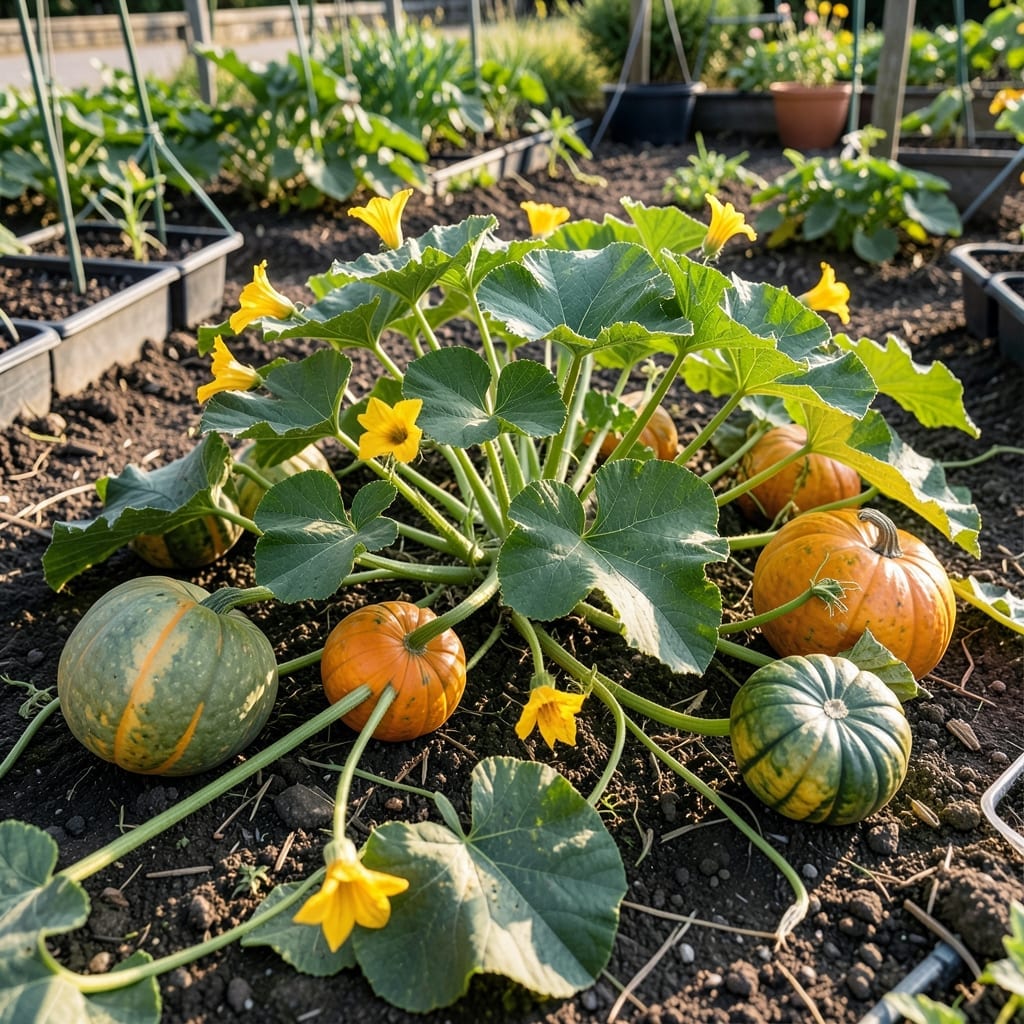
Watching your first 🎃 pumpkin vine emerge from the soil is magical, but timing is everything. Plant too early, and frost will kill your seedlings; plant too late, and you’ll miss the fall harvest.
In zone 6a, the sweet spot is May to June, when soil warms to 60°F. This window gives your Pumpkin the full growing season it needs before cooler weather sets in.
I’ll walk you through the exact timeline so you can avoid common mistakes and set your Pumpkin patch up for success. Let’s get started.
I love tracking pumpkins from seed to harvest because each growth stage has its own magic. The timeline starts with germination—usually 5 to 10 days after planting in warm soil.
Once sprouted, vines grow rapidly, and flowers appear in 45 to 55 days. This is when pollination happens, so I always watch for bees visiting my garden.☀️
| Stage | Timeframe | Key Notes |
|---|---|---|
| Germination | 5-10 days | Soil must be 60°F+ |
| Vine Growth | 2-4 weeks | Rapid leaf expansion |
| Flowering | 45-55 days | Male flowers appear first |
| Fruit Set | 55-70 days | Small green pumpkins form |
| Maturation | 75-120 days | Rind hardens, color deepens |
After fruit set at 55 to 70 days, I notice tiny green pumpkins forming. These grow quickly, but consistent watering is critical during this phase to prevent cracking.
The final maturation stage takes 75 to 120 days total. I check for hard rinds and dry stems—these are sure signs my pumpkins are ready for harvest.
I always mark my calendar for 90 to 100 days from planting. This is the sweet spot for most varieties, but I adjust for smaller types that mature faster.🌱
For best results, I plant after the last frost date when soil is warm. In cooler climates, I use black plastic mulch to speed up warming and get a head start.
Pumpkins are heavy feeders, so I amend soil with compost before planting. This gives vines the nutrients they need for robust growth and big harvests.
I also space plants 4 to 6 feet apart to allow for vine spread. Crowding can lead to poor air circulation and disease, which I want to avoid.🌿
Finally, I rotate my pumpkin patch every year to prevent soil-borne diseases. This simple step keeps my garden healthy and productive season after season.
I always check my USDA zone first because pumpkins need warm soil to thrive. In zone 6a, I plant after the last frost date, usually May to June, when soil hits 60°F.
For cooler climates like zone 4, I wait until late May or early June. Warmer zones like zone 8 can start seeds as early as March or April for a fall harvest.☀️
I use a soil thermometer to confirm temperatures. If it’s below 60°F, I hold off on planting. Cold soil can cause seeds to rot rather than sprout.🌡️
Another trick I rely on is black plastic mulch. It warms the soil faster in spring, giving me a head start in cooler zones. Just be sure to remove it once vines begin to spread.
For short-season varieties like ‘Small Sugar’, I can plant a bit later. These mature in 85 to 100 days, making them perfect for northern gardeners with limited time.
I also watch the long-range forecast. If an unexpected late frost threatens, I cover young plants with frost blankets to protect them from cold damage.
Remember, pumpkins need 90 to 120 days to mature. Count backward from your first expected frost date to determine your latest safe planting window.🌿