
Beautiful Plants For Your Interior
Beautiful Plants For Your Interior
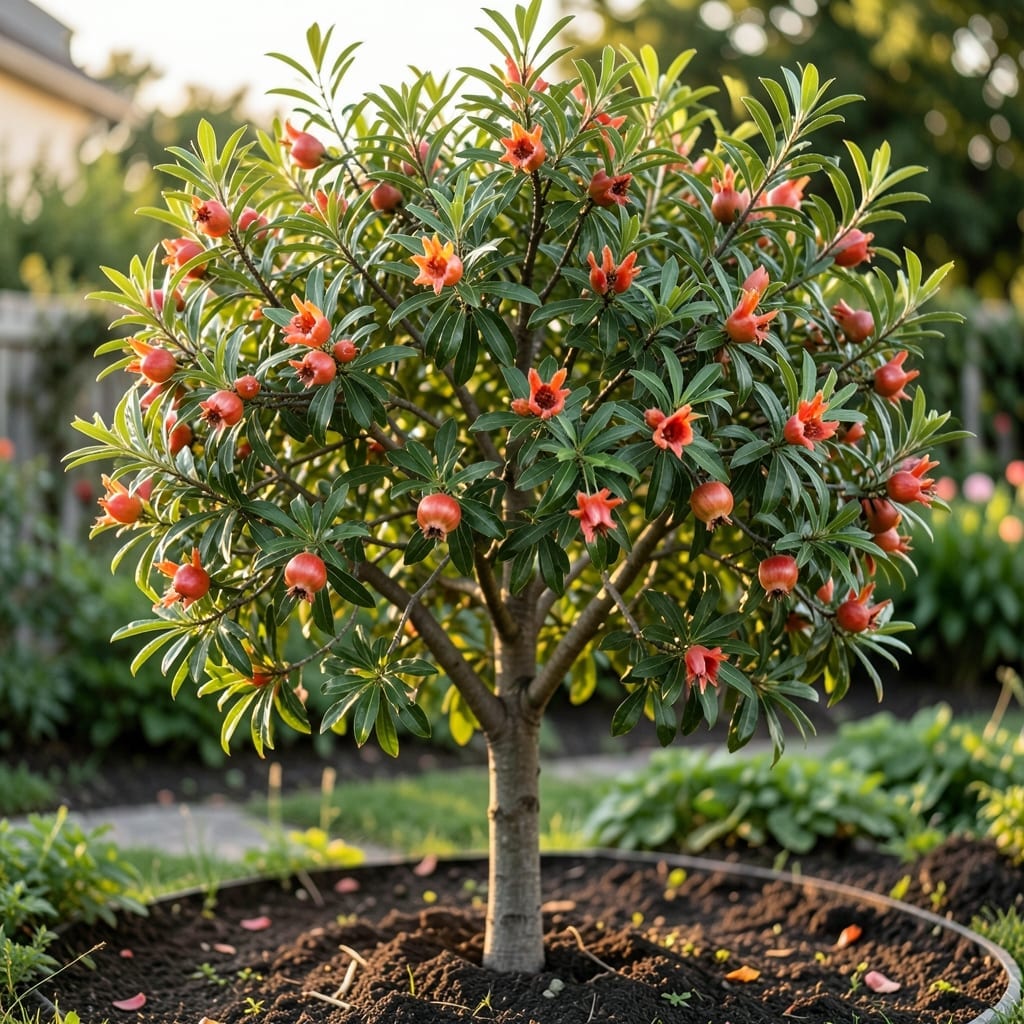
Watching your Pomegranate 🍇 burst into vibrant crimson blooms is a true gardener’s delight. But getting the timing right for these flowers can be tricky, especially when climate throws curveballs.
Understanding the seasonal bloom cycle isn’t just about beauty—it’s the key to maximizing your harvest. From USDA zones 7-11, the timing shifts, and knowing these patterns makes all the difference.
Let me walk you through what to expect and how to encourage those stunning blooms. You’ll discover how small adjustments can lead to a spectacular floral display.
Timing your pomegranate blooms depends heavily on your USDA zone. In warmer regions, flowers may appear as early as late winter, while cooler climates see blooms in late spring.
The primary flowering season typically spans April to June, but regional variations can shift this window. Tropical zones often enjoy year-round blooms, while temperate areas have a shorter, concentrated burst.☀️
| Climate Zone | Bloom Period | Key Notes |
|---|---|---|
| USDA 7-8 (Temperate) | May – June | Late spring after frost risk passes |
| USDA 9-10 (Subtropical) | April – May | Early spring to early summer |
| USDA 11 (Tropical) | Year-round | Continuous with seasonal peaks |
In USDA zones 7-8, pomegranates bloom May through June once the threat of frost has completely passed. The chill hours from winter help trigger this late spring flowering.🌱
For zones 9-10, expect blooms starting in April and continuing through May. The warmer winters here mean less dormancy, so flowers emerge earlier.
Tropical zone 11 is unique—pomegranates may produce flowers year-round, though you’ll often see peaks in spring and fall. This continuous cycle is ideal for multiple harvests.
Regional microclimates matter too. Coastal areas with mild winters may see earlier blooms, while inland valleys with colder nights can delay flowering by 2-3 weeks.
I’ve noticed that well-established trees in my garden bloom more consistently. Younger pomegranates, under 3 years old, often focus on growth before producing many flowers.🌿
For the best results, track your local last frost date. Pomegranates typically bloom 4-6 weeks after this date in temperate zones. In frost-free areas, winter pruning can encourage a strong spring bloom.
If you’re in a borderline zone, like 8-9, watch for late frosts that can damage early flowers. Protecting blooms with frost cloth can save your harvest.
Several environmental factors can shift when your pomegranate tree decides to bloom. From chill hours to water stress, these elements play a crucial role in flower timing.
In my experience, tree maturity and pruning timing are two of the most controllable factors. Younger trees under 3 years old often delay blooming as they focus on growth.☀️
Chill hours are critical for pomegranates. They need 100-200 hours below 45°F each winter to produce normal blooms. Without enough chill, you may see sparse or delayed flowers.
Pruning timing directly impacts bloom cycles. I always prune my pomegranates in late winter, just before new growth starts. This encourages strong spring blooms on fresh wood.
Water stress can be beneficial in moderation. Mature trees that experience slight drought often bloom earlier and more abundantly. However, avoid severe stress during fruit set.
Fertilization plays a supporting role. A balanced 10-10-10 fertilizer applied in early spring provides the nutrients needed for robust bloom production. Over-fertilizing with nitrogen can lead to excessive foliage at the expense of flowers.🌿