
Beautiful Plants For Your Interior
Beautiful Plants For Your Interior
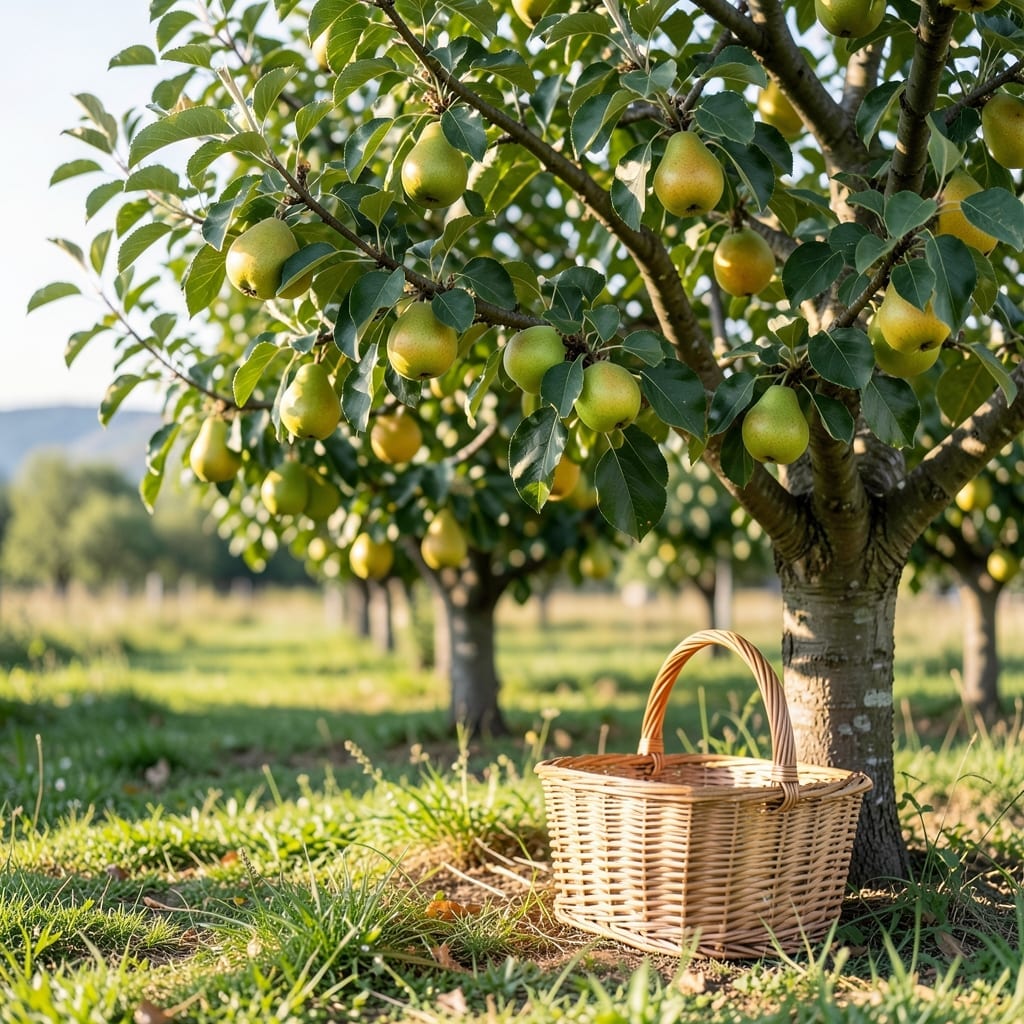
Nothing beats the taste of a perfectly ripe pear fresh from your own tree—but knowing exactly when to harvest can be tricky. Unlike some fruits, the 🍐 often ripens best off the tree, making timing critical.
I’ve learned that waiting for the right moment means the difference between a hard, flavorless pear and one that’s sweet and juicy. The harvest window typically falls between July and September, but it varies by variety and climate.
From Bartletts to Boscs, each type has its own cues for readiness. Color changes, a gentle twist test, and a sweet aroma near the stem are key indicators you shouldn’t ignore.
Let me walk you through how to pinpoint that perfect moment so you can enjoy the best your pear tree has to offer.


Timing your pear harvest perfectly depends on both the variety and your local climate. In warmer zones, pears often ripen earlier, while cooler areas may see a later harvest window.
Most pears don’t ripen fully on the tree. Instead, they reach maturity on the branch and finish ripening indoors. This unique trait makes knowing the right harvest window crucial for the best flavor and texture.
| Variety | Ripening Season | Climate Zone | Harvest Cues |
|---|---|---|---|
| Bartlett | July-August | Zones 5-9 | Yellow color, soft near stem |
| Anjou | August-September | Zones 5-8 | Red blush, firm but fragrant |
| Bosc | September-October | Zones 4-9 | Brown-russet skin, slight give |
| Comice | Late August | Zones 6-9 | Green-yellow, sweet aroma |
| Seckel | August | Zones 5-8 | Deep red, easy twist from branch |
For Bartlett pears, the earliest to ripen, watch for a color shift from deep green to yellow. This variety is a great indicator for the start of pear season in most regions.
The Anjou pear follows, typically ready in late summer. Its egg-shaped form and subtle red blush make it easy to spot when it’s time to pick. I check for a slight softness near the stem.
Bosc pears are late-season stars, often ripening in early fall. Their distinctive brown skin and long necks are unmistakable. I wait until they smell sweet and separate easily with a gentle twist.
In cooler climates, pears may take longer to mature. I’ve found that USDA zones 4-5 often see harvests pushed back by 1-2 weeks compared to warmer areas.
For warmer zones like 8-9, pears may ripen earlier. I recommend checking trees weekly as the season approaches to avoid missing the perfect window.
Remember, pears ripen from the inside out. Even if the outside looks ready, the inside might still be firm. That’s why many gardeners, including me, pick them slightly early and let them finish indoors.
By understanding your pear variety and local conditions, you can time your harvest for the sweetest, juiciest fruit every year. 🌳
Timing your pear harvest perfectly ensures the best flavor. Unlike many fruits, pears ripen best off the tree, so picking them at the right stage is crucial. I always check for subtle changes like color shifts and aroma before harvesting. Early picking often leads to mealy texture, while waiting too long can cause overripening on the branch.
To determine readiness, I rely on a few simple tests. The ‘twist test’ is my go-to—gently twist the pear upward, and if it separates easily, it’s ready. Also, look for color changes from green to yellow or red, depending on the variety.
Another reliable method is checking the stem area for slight softness. If the pear feels firm everywhere else but yields slightly near the stem, it’s likely ready. I also sniff the fruit—a sweet aroma is a sure sign of ripeness.
Remember that climate and variety affect ripening times. Early varieties like Bartlett may be ready in July, while Bosc and Anjou often ripen later. Cooler climates can delay ripening, so adjust your timing accordingly.
If you’re unsure, pick a few pears at different stages and test them indoors. Pears continue to ripen after picking, so starting early gives you a buffer. I always keep a few on the counter to monitor their progress.
Finally, avoid harvesting after heavy rain, as excess moisture can dilute flavor. Instead, wait for a dry, sunny day to ensure the best taste and texture. This small step makes a big difference in quality. ☀️