
Beautiful Plants For Your Interior
Beautiful Plants For Your Interior
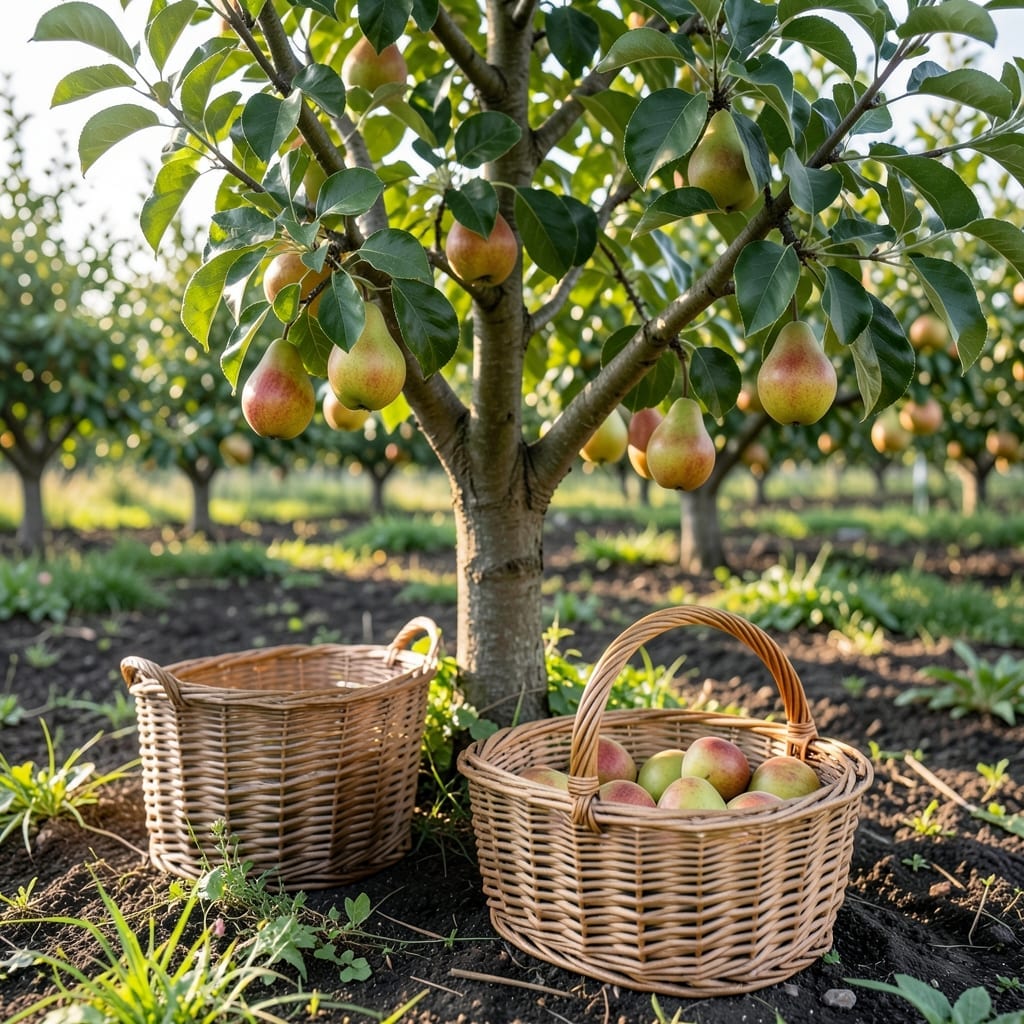
Nothing beats the crisp, sweet taste of a freshly picked Pear—but knowing when to harvest or buy them can be tricky. Different varieties ripen at different times, and timing your harvest or grocery run makes all the difference.
I’ve learned that July through September is prime time for most Pears in zones 5-9. Yet, early varieties like Bartlett may be ready as soon as summer begins, while others hold off until fall.
Let me show you how to spot the perfect window for your favorite type. We’ll cover the signs of ripeness and how to extend your Pear season with simple storage tricks.
If you’re growing pear trees or planning to buy fresh pears, timing is everything. The harvest season varies by variety, with some ready in early summer and others holding out until fall. Climate and location also play a big role in when your pears will be at their peak.
In most regions, pear season spans from July to September, but early varieties like Bartlett can ripen as soon as June. Late-season types, such as Bosc or Anjou, often wait until October to reach their full flavor potential.
| Variety | Harvest Window | Key Notes |
|---|---|---|
| Bartlett | July – August | Sweet, juicy, early season |
| Anjou | September – October | Firm, mild, stores well |
| Bosc | Late August – October | Rich, spicy, holds shape |
| Comice | Late September – October | Buttery, sweet, late season |
Regional differences can shift these timelines. In warmer climates, like California, pears may ripen 2-4 weeks earlier than in cooler areas such as the Pacific Northwest. Always check local frost dates and growing conditions for the most accurate timing.
Early varieties like Bartlett are perfect for fresh eating right off the tree. Their thin skin and juicy flesh make them a summer favorite. If you’re growing these, expect to start picking in mid-July in most zones.
Mid-season pears, such as Moonglow or Seckel, typically ripen in August. These varieties often have a sweeter taste and are great for canning or preserving. Their compact size also makes them ideal for smaller gardens.
Late-season pears, including Anjou and Bosc, are the last to ripen, often holding out until October. These types are prized for their firm texture and ability to store well, making them perfect for enjoying fresh long after harvest.
Climate plays a huge role in ripening. In cooler regions, pears may take longer to mature, while hotter areas can speed up the process. I always recommend keeping an eye on weather patterns and adjusting your expectations accordingly.
For the best flavor, I harvest pears when they’re mature but still firm. Most varieties ripen off the tree, so don’t wait for them to soften completely. A gentle twist test—if the fruit separates easily from the branch—is a good sign it’s ready.
If you’re unsure, pick a few and let them ripen indoors at room temperature. This method works especially well for Bosc and Anjou pears, which often need a little extra time to reach peak sweetness.
Timing your pear harvest or market selection perfectly ensures the best flavor. Unlike many fruits, most pear varieties ripen off the tree, so waiting for softness on the branch is a common mistake.
I look for color changes, like Bartlett pears turning from green to yellow, as a key indicator. A gentle twist test also works—if the fruit separates easily, it’s ready to pick.
At the market, I avoid pears that are rock-hard or have green skin unless they’re a late-ripening variety. Instead, I choose fruit that’s firm but yields slightly to pressure.
The smell test is another great tool. Ripe pears emit a sweet fragrance near the stem. If there’s no aroma, they likely need more time to mature, even after picking.
For homegrown pears, I harvest in the cool morning hours to preserve freshness. If I’m unsure, I pick a few and let them ripen indoors at room temperature in a paper bag.
Remember, early varieties like Bartlett ripen faster, while late varieties like Anjou may need 1-2 weeks of indoor ripening. Store unripe pears at room temperature and move to the fridge once soft. 🌳