
Beautiful Plants For Your Interior
Beautiful Plants For Your Interior
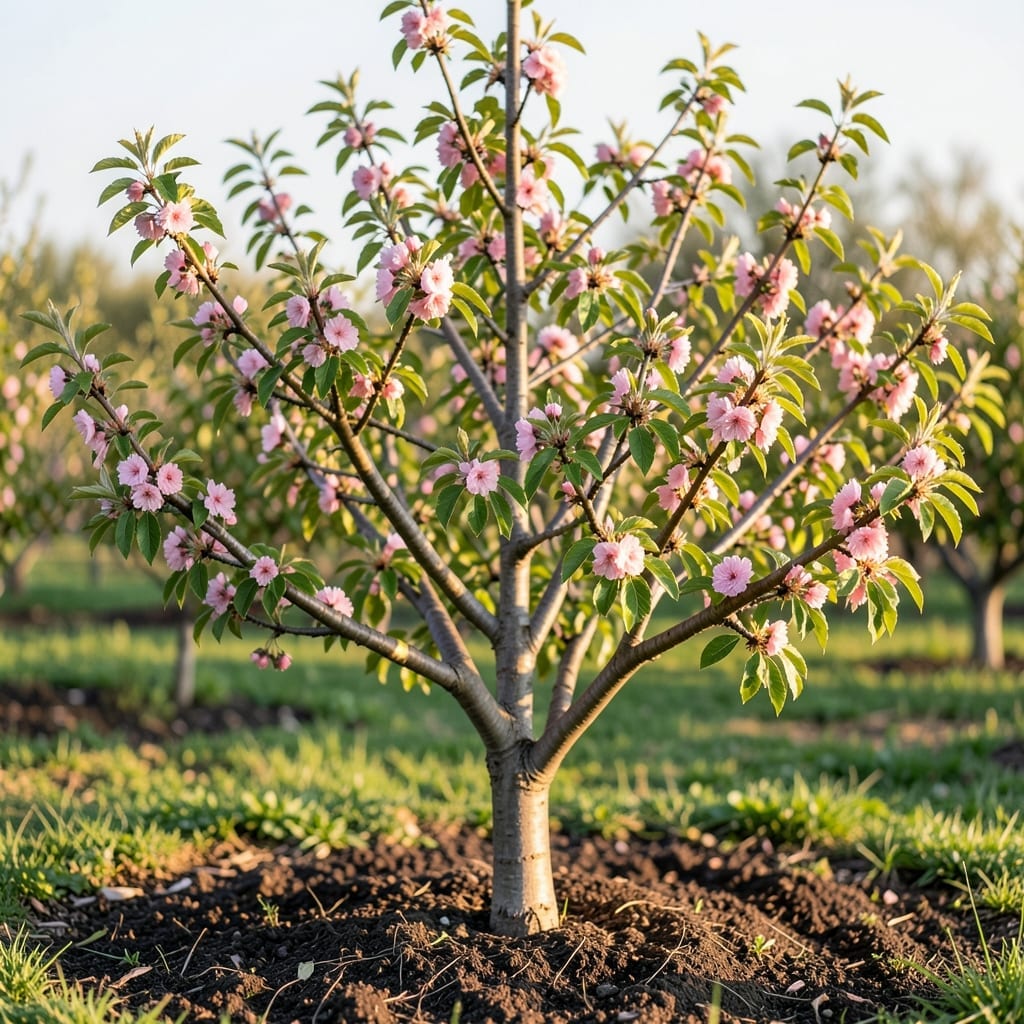
Watching your Peach 🍑 tree burst into delicate pink blossoms is one of spring’s most magical moments. But timing is everything for gardeners looking to plan and protect their harvest.
These trees typically bloom between late winter and early spring, but exact timing depends on your climate zone and local conditions. Understanding this window helps you prepare for the growing season ahead.
I’ll walk you through the key factors that influence bloom time and share practical tips to ensure your Peach tree thrives. Let’s get started.
Peach trees typically bloom in late winter to early spring, but the exact timing varies significantly by your location. In warmer zones like USDA 8-9, expect blooms as early as February, while cooler areas in zones 5-6 may see flowers in April. This variation is largely due to chill hour requirements for different peach varieties.
The blooming period usually lasts 1-2 weeks, though weather can shorten or extend this window. I’ve noticed my own peach trees in zone 7 consistently bloom in mid-March, right as the last frosts begin to fade. Understanding your local climate helps you anticipate and prepare for this beautiful phase.
In zone 5-6, peach trees need more cold winter hours to break dormancy, which delays blooming until late April. Varieties like ‘Reliance’ or ‘Contender’ are popular here because they can handle the chill. Gardeners in these areas should watch for late frosts, which can damage early blooms.
For zone 7, the sweet spot for many peach varieties, blooming often starts in mid-March. This is when I see my ‘Elberta’ peach tree burst into pink blossoms. The moderate climate here allows for a longer growing season, but keep an eye on fluctuating temperatures.
In zone 8, peach trees may bloom as early as February. Varieties like ‘Redhaven’ or ‘Belle of Georgia’ thrive in these warmer climates. However, early blooms can be vulnerable to late cold snaps, so be prepared to protect your trees.
Zone 9 gardeners enjoy the earliest blooms, sometimes as early as January. Low-chill varieties like ‘Tropical Beauty’ or ‘Florida Prince’ are ideal here. These trees require fewer chill hours and can produce fruit in milder winters.
Remember, these are general guidelines. Local microclimates, tree age, and even the specific variety can shift your peach tree’s blooming time by a week or two. I always recommend checking with local nurseries for the most accurate timing in your area.
If you’re planting a new peach tree, choose a variety that matches your USDA zone and chill hour requirements. This ensures your tree gets the right amount of winter cold to trigger healthy blooming. Proper selection is the first step to a successful harvest.
Observing your tree’s blooming pattern year after year helps you fine-tune your care routine. I’ve found that keeping a simple garden journal with bloom dates and weather notes can be incredibly helpful for future planning.
With the right knowledge and preparation, you can enjoy your peach tree’s stunning blossoms and look forward to a bountiful harvest.
Several key variables can shift your peach tree’s blooming time by weeks. The most significant is your USDA hardiness zone, which determines chill hour accumulation. But other factors like tree age and variety selection also play crucial roles in when those pink blossoms appear.
Young peach trees often take 2-4 years to produce their first blooms. Even then, the quantity may be limited as the tree focuses on establishing its root system. I’ve seen this firsthand with my ‘Redhaven’ sapling, which only produced a handful of flowers in its third spring.
Winter temperatures directly impact chill hour accumulation. A cold winter helps peach trees meet their requirements faster, leading to timely blooming. Conversely, a warm winter might result in insufficient chill hours, delaying or reducing blooms.
Your pruning practices can also influence blooming. Pruning in late summer allows the tree to develop flower buds for the next season. Avoid heavy pruning in early spring, as this can remove potential blossoms.
The specific variety of peach tree matters too. Low-chill varieties like ‘Bonanza’ bloom earlier, while high-chill types such as ‘Contender’ need more cold to trigger flowering. Always choose a variety suited to your climate.
Finally, site conditions like sunlight and soil quality affect overall tree health, which in turn impacts blooming. A south-facing location with well-draining soil gives your peach tree the best chance to bloom on schedule.
By understanding these factors, you can better predict and even influence when your peach tree will burst into bloom each spring.
I’ve found that keeping track of these variables in a garden journal helps me anticipate my tree’s needs from year to year.