
Beautiful Plants For Your Interior
Beautiful Plants For Your Interior
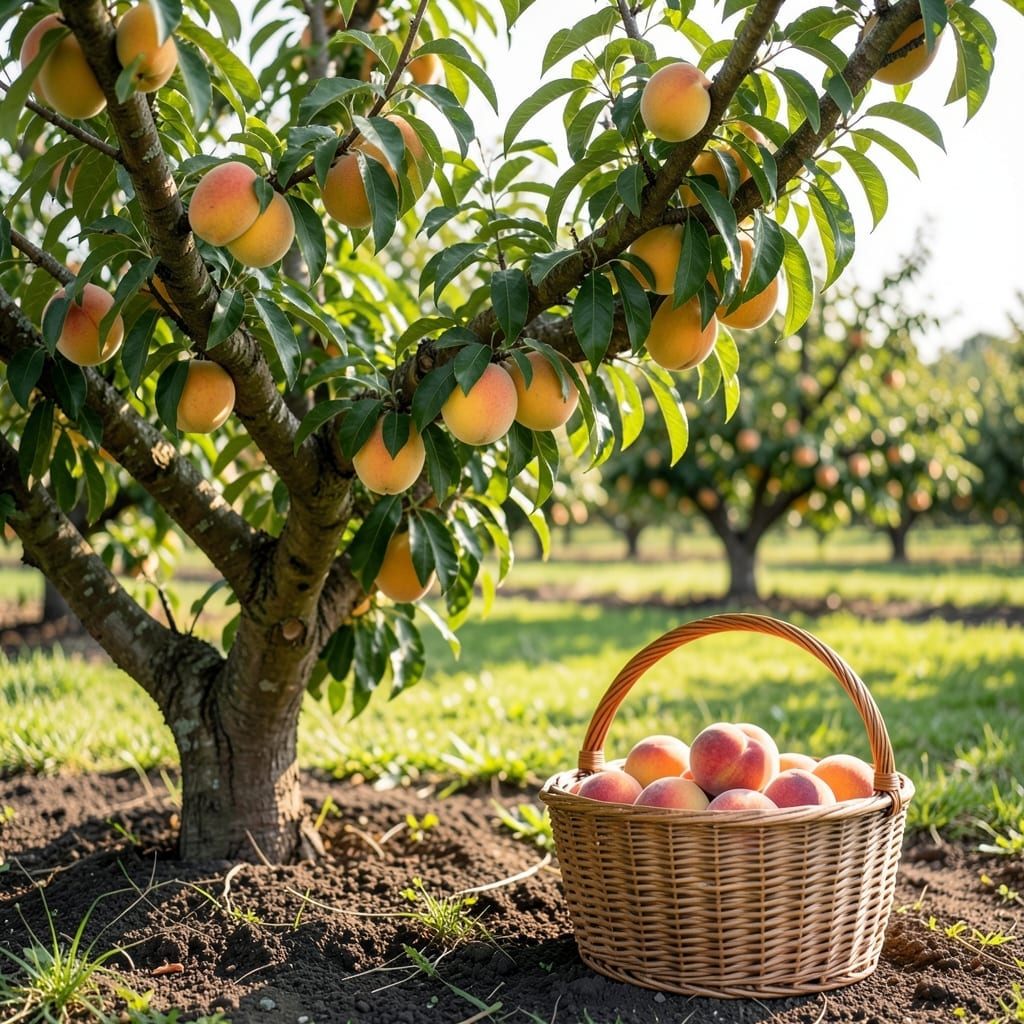
Nothing beats the taste of a sun-ripened peach picked fresh from your own 🍑 Peach Tree—but timing is everything. Discovering exactly when these trees produce fruit can mean the difference between a bountiful harvest and a season of disappointment.
In zones 5-9, you can typically expect fruit from June through August, but several factors influence this timeline. The age of your tree and local growing conditions play a major role in when you’ll see results.
I’ll walk you through how to identify the perfect harvest window and share tips to help your Peach Tree thrive. Let’s make this your most productive season yet.
The timing of peach tree fruit production depends heavily on the variety you’ve planted. Early-season peaches often ripen in late June, while mid-season varieties peak in July. Late-season peaches may not be ready until August, giving you a extended harvest window.
Climate plays a huge role too. Trees in warmer zones like 8-9 will fruit earlier than those in cooler zones like 5-6. Chill hours (temperatures between 32°F and 45°F) are also critical—most peach trees need 500-1000 hours to set fruit properly. ☀️
| Variety | Typical Harvest | Chill Hours | USDA Zones |
|---|---|---|---|
| Early-Season | Late June | 500-700 | 5-9 |
| Mid-Season | July | 700-900 | 5-9 |
| Late-Season | August | 900-1000 | 6-9 |
Your tree’s age matters too. Most peach trees won’t bear fruit until they’re 3-4 years old. Dwarf varieties might start a year sooner, while standard trees can take a bit longer. If your tree is young, be patient—it’s building its energy reserves for future harvests.
Pollination is another key factor. Most peach trees are self-fertile, meaning they don’t need another tree nearby to produce fruit. However, cross-pollination can improve yields. Bees and other pollinators are essential, so avoid using pesticides during the blooming period. 🌿
If your tree isn’t fruiting, check your growing conditions. Peach trees need full sun (at least 6-8 hours daily) and well-draining soil. Poor drainage can lead to root rot, while insufficient sunlight can result in weak growth and fewer fruits.
Watering is also critical, especially during fruit development. Aim for 1-2 inches of water per week, either from rainfall or irrigation. Drought stress can cause fruit drop, so keep the soil consistently moist but not waterlogged. A mulch layer can help retain moisture and regulate soil temperature.
Finally, don’t forget about pruning and thinning. Pruning helps maintain the tree’s shape and improves air circulation, reducing disease risk. Thinning fruit when they’re about the size of a quarter ensures larger, healthier peaches and prevents branches from breaking under the weight. ✂️
By understanding these factors—variety, climate, age, and care practices—you can better predict when your peach tree will produce fruit. With the right approach, you’ll be enjoying homegrown peaches in no time.
Knowing when your peach tree is ready to bear fruit starts with recognizing the flowering stage. In early spring, you’ll see pink blossoms covering the branches. These flowers must be pollinated to set fruit, so keep an eye out for bees. 🌿
After pollination, tiny green fruits will appear. This is called fruit set, and it’s a sign your tree is on track. If you don’t see these small fruits, pollination may have failed, or your tree might be too young or stressed from poor conditions.
⚠️ Common Delays in Fruit Production
If your peach tree isn’t fruiting, check for age (under 3-4 years), pollination issues, or environmental stress like drought or frost damage. Ensure your tree gets full sun and proper drainage.
Another key sign is fruit development. As the season progresses, the small green fruits will grow and change color. Depending on the variety, they’ll turn yellow, red, or a mix. The size will also increase significantly as they mature.
Watch for the harvest signs I mentioned earlier: full color, sweet aroma, and easy separation from the branch. These indicate your peaches are nearly ready. If the fruit feels hard or the skin is still green, they need more time. ✂️
Environmental stress can delay fruiting. Late frosts can damage blossoms, while drought or overwatering can cause fruit drop. If your area has unpredictable weather, consider planting disease-resistant varieties or using frost protection in spring.
Finally, pests and diseases can also impact fruit production. Peach leaf curl and brown rot are common issues. Regularly inspect your tree and treat problems early with organic sprays or proper pruning to keep it healthy. 🌳