
Beautiful Plants For Your Interior
Beautiful Plants For Your Interior
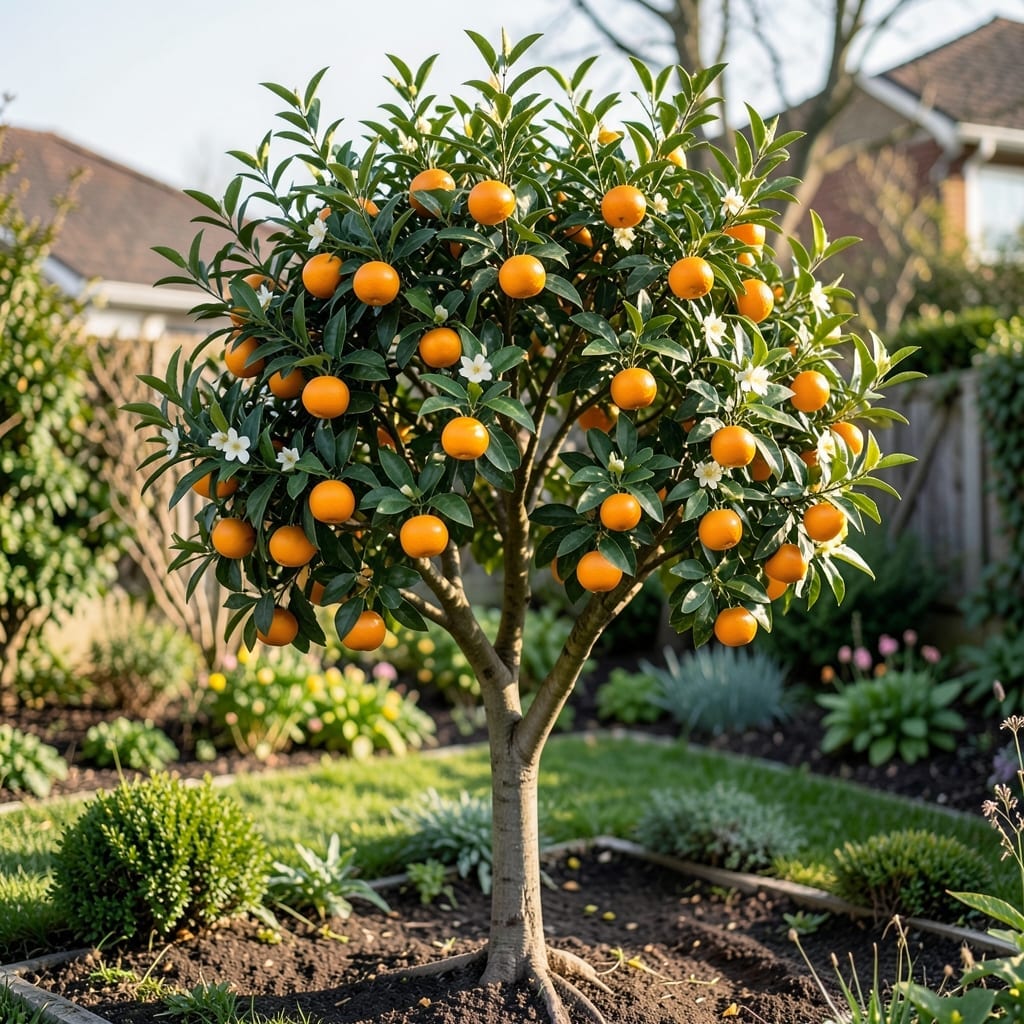
Florida’s warm climate makes it one of the top orange-producing states, but knowing exactly when different varieties ripen can mean the difference between tart disappointment and sweet, juicy perfection.
The 🍊 Orange thrives in zones 9a-10b, where the growing season stretches from February to April for planting. Yet, the real magic happens at harvest time.
Timing is everything when it comes to picking. Whether you’re growing Navels, Valencias, or Hamlins, each variety has its own peak window.
Let me guide you through the key signs and seasonal cues to ensure you harvest your oranges at their absolute best. The results will be worth it.


Florida’s subtropical climate creates the perfect conditions for orange trees to thrive, but ripening times vary by variety. I’ve found that early-season oranges like Hamlin often ripen first, while others take their sweet time. ☀️
For growers in USDA Zones 9a-10b, understanding these differences is key. I’ll break down the peak harvest months so you can plan your picking schedule with confidence. 🌿
| Variety | Peak Harvest Months | Notes |
|---|---|---|
| Hamlin | October–December | Early ripening, juicy and seedless |
| Navel | November–January | Sweet and easy to peel |
| Pineapple | December–February | Rich flavor, thick rind |
| Valencia | March–June | Late-season, great for juice |
I always remind fellow gardeners that Hamlin oranges are the first to ripen, often ready by October. Their thin skin and high juice content make them a favorite for early harvesting. 🪴
For Navel oranges, I’ve noticed they peak between November and January. Their seedless nature and sweet taste make them ideal for fresh eating right off the tree.
The Pineapple variety ripens a bit later, from December to February. I love their unique flavor, though the thicker rind can be a bit tricky to work with.
Valencia oranges are my go-to for late-season harvesting. They ripen from March to June, and their high juice yield makes them perfect for fresh-squeezed orange juice.
Regional differences matter too. In North Florida, cooler temps can delay ripening by a few weeks. Meanwhile, South Florida’s warmth often speeds up the process.
I’ve learned that frost protection is crucial in early winter. Even a light frost can damage maturing fruit, so I always keep an eye on the weather forecast.
Finally, remember that tree age affects ripening. Younger trees may produce fruit that matures slightly later than established ones. Patience and observation are your best tools. 🌱
I’ve learned that timing is everything when harvesting Florida oranges. The peak ripeness depends on the variety, but there are universal signs to watch for in your grove or backyard tree.
Florida’s subtropical climate means oranges often ripen earlier than in cooler states. Look for full color development and a slight softness to the touch.
I always check the stem end first—if it smells sweet, the fruit is likely ready. Green patches mean it needs more time, even if the rest looks orange.
For early varieties like Hamlin, expect ripeness as early as October. Valencia oranges, however, may hold on the tree until June for maximum sweetness.
I recommend taste-testing a few fruits from different parts of the tree. Ripening can vary even on the same orange tree, especially in Florida’s microclimates.
Remember, color alone isn’t always reliable. Some varieties develop full orange color before they’re sweet, so combine visual checks with firmness and aroma tests. ☀️