
Beautiful Plants For Your Interior
Beautiful Plants For Your Interior
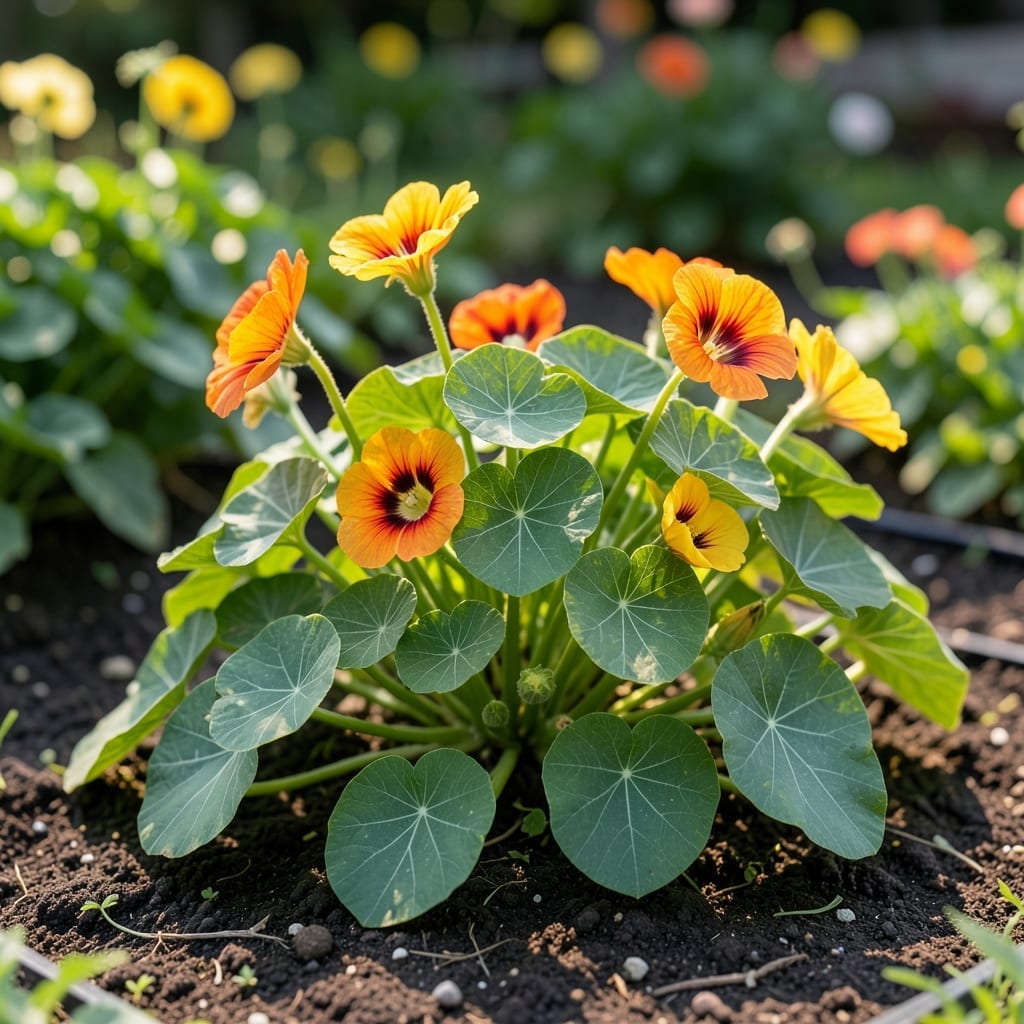
There’s something magical about watching 🌼 Nasturtium flowers burst into color, turning a simple garden into a vibrant paradise. But when exactly can you expect these beauties to bloom?
As a gardener, I know the anticipation can be almost as exciting as the blooms themselves. The timing depends on a few key factors, and understanding them can make all the difference in your floral display.
Let me walk you through what to expect and how to encourage those gorgeous flowers to appear right on schedule. You’ll be amazed at how simple it can be.
If you’re eager to see nasturtiums bloom, timing is everything. These cheerful flowers typically start showing color 4-6 weeks after direct sowing, depending on conditions. I’ve found they thrive best when planted after the last frost in warmer soil. ☀️
For those starting seeds indoors, expect blooms 6-8 weeks after transplanting. Climate plays a huge role too—cool regions may see a slight delay, while warm climates can speed up the process. The wait is always worth it! 🌱
| Planting Method | Time to Bloom | Climate Impact |
| Direct Sowing | 4-6 weeks | Faster in warm soil |
| Transplants | 6-8 weeks | Slower in cool springs |
| Indoor Start | 8-10 weeks | Earlier blooms in short seasons |
In my experience, direct sowing after the last frost gives the most reliable results. The seeds sprout quickly in warm soil, and you’ll see those first bright orange, yellow, or red blooms in about a month. It’s like nature’s way of rewarding patience. 🌿
For gardeners in cooler zones, starting seeds indoors can give you a head start. Just remember that transplanted nasturtiums may take a little longer to settle in before they flower. I always recommend hardening off seedlings first to avoid shock.
If you’re in a hot climate, you might even get blooms in as little as 4 weeks. Nasturtiums love the heat, but they do need consistent moisture to keep those flowers coming. A light mulch can help retain soil moisture without suffocating the plants.
One thing I’ve noticed is that over-fertilizing can delay blooming. Nasturtiums are light feeders, so too much nitrogen will give you lots of leaves but few flowers. Stick to a low-nitrogen fertilizer or compost for best results.
Finally, don’t forget that deadheading spent blooms can encourage more flowers. I like to do this regularly to keep my plants looking tidy and productive. It’s a small effort with big rewards! ✂️
In most regions, you can expect nasturtiums to bloom from early summer right up until the first frost. In mild climates, they might even keep going through winter. It’s one of the many reasons I love growing them year after year.
To get nasturtiums blooming faster and longer, I focus on a few key practices. These vibrant flowers respond beautifully to proper spacing and full sun, which helps them produce more blooms. I’ve seen amazing results with just a little extra care. ☀️
First, ensure your plants get 6+ hours of sunlight daily. While they tolerate partial shade, full sun encourages the most abundant flowers. If your garden has shady spots, try planting in the sunniest areas for the best display. 🌱
Deadheading is my secret weapon for continuous blooms. By removing faded flowers, you signal the plant to produce more. I do this every few days during peak blooming season, and it keeps my nasturtiums flowering nonstop. ✂️
Watering plays a crucial role too. Nasturtiums are drought-tolerant, but consistent moisture leads to the best blooms. I water deeply once a week, allowing the soil to dry slightly between waterings. This prevents root rot while encouraging strong growth.
Avoid high-nitrogen fertilizers, as they promote leafy growth at the expense of flowers. Instead, I use a balanced, low-nitrogen fertilizer or compost tea every 4-6 weeks. This keeps my plants healthy without sacrificing blooms.
Finally, don’t overlook soil drainage. Nasturtiums thrive in well-draining soil, so if your garden has heavy clay, consider amending it with compost or planting in raised beds. With these simple steps, you’ll enjoy earlier, longer-lasting nasturtium blooms all season. 🌿