
Beautiful Plants For Your Interior
Beautiful Plants For Your Interior
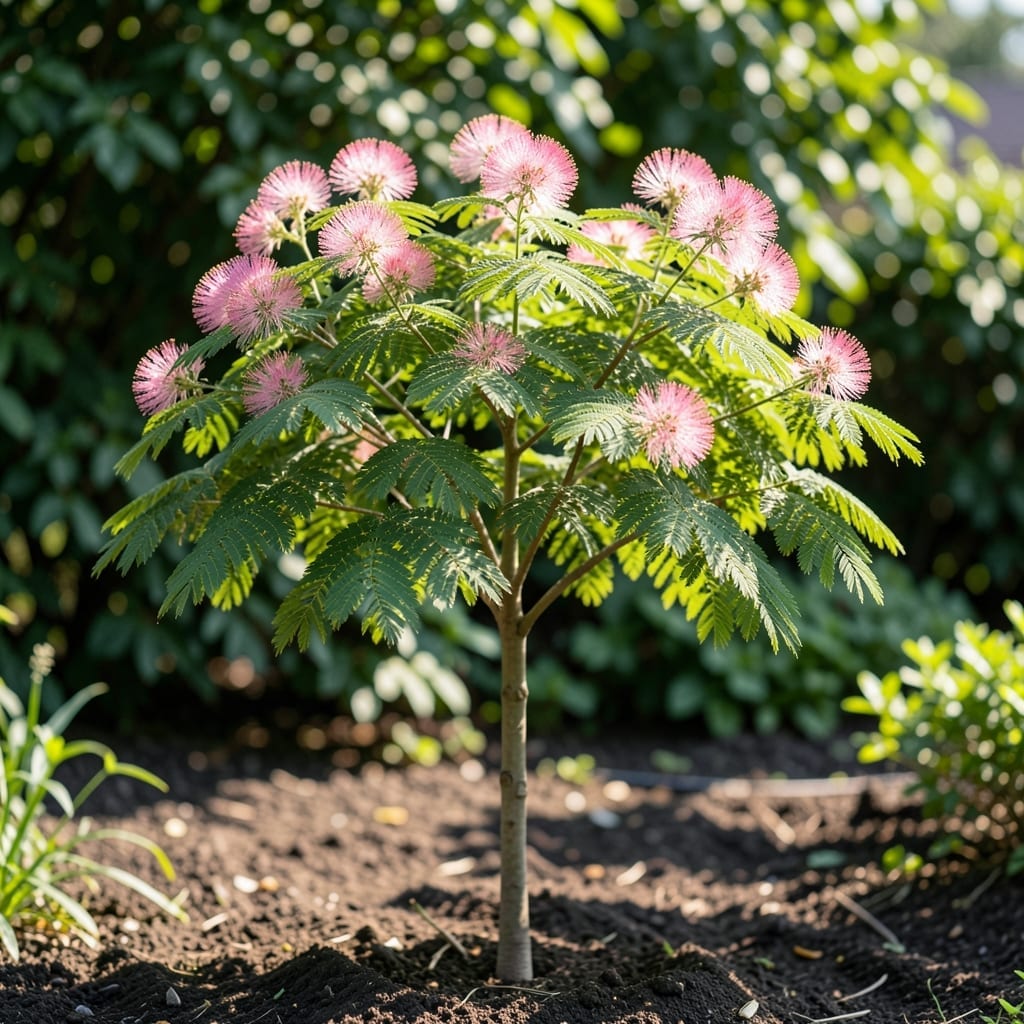
There’s something magical about watching a 🌳 Mimosa Tree transform with its vibrant, fragrant blooms. As a gardener, knowing when to expect this spectacle can make all the difference in your planning.
These trees don’t follow a one-size-fits-all schedule – their flowering time shifts with climate and care. In most regions, you’ll see nature’s fireworks display begin when the weather warms up.
Discover the typical blooming window and how to give your Mimosa Tree the best chance to thrive. The timing might surprise you!
If you’re growing a Mimosa tree, its blooming time depends heavily on your USDA hardiness zone. These beautiful trees typically thrive in zones 7 through 11, with noticeable regional differences in flowering.
In warmer southern zones like 9 to 11, expect blooms as early as late spring, often starting in May. Cooler northern zones, such as 7 or 8, may see flowers closer to early summer in June. 🌳
| Zone | Bloom Start | Bloom Peak |
| 7-8 | Early June | July |
| 9-10 | Mid-May | June |
| 11 | Late April | May |
The frost dates in your area also play a role. Trees in regions with mild winters and early springs will bloom sooner, while those in areas with late frosts may delay flowering until the weather stabilizes.
For example, a Mimosa tree in Texas or Florida might start blooming in April, while one in Virginia or Oklahoma could wait until June. This variation is due to the tree’s sensitivity to temperature changes. 🌿
If you’re in a borderline zone, like zone 6, your Mimosa tree might struggle to bloom consistently. These trees prefer warmer climates and can be sensitive to cold snaps, which may delay or reduce flowering.
To encourage blooming, ensure your tree receives full sun for at least 6 hours daily. Mimosa trees are sun-lovers, and insufficient light can lead to sparse or delayed blooms.
Another key factor is the tree’s age. Young Mimosa trees, typically under 3 years old, may not bloom at all. Patience is essential—once established, they reward you with abundant, fragrant flowers each season. ☀️
Soil conditions also influence blooming. Mimosa trees prefer well-draining soil with a slightly acidic to neutral pH. If your soil is too dense or waterlogged, it can stress the tree and delay flowering.
Finally, keep an eye on watering habits. While Mimosa trees are somewhat drought-tolerant, consistent moisture during the growing season helps promote healthy blooms. Avoid overwatering, though, as this can lead to root rot.
While climate zone sets the general timeline, several other factors can shift when your Mimosa tree bursts into bloom. I’ve found that even in the same yard, two trees might flower at slightly different times. 🌳
The age of your tree matters most—young specimens under 3 years old often won’t bloom at all. Once mature, they typically flower annually if conditions are right.
Sunlight is non-negotiable—your Mimosa needs full sun for those iconic pink puffballs. Shade can delay or reduce flowering significantly.
Soil quality also plays a role. Heavy clay or waterlogged soil stresses the tree. I recommend amending with organic compost to improve drainage and fertility.
Watering consistency keeps the tree healthy. While Mimosa trees tolerate short droughts, regular deep watering during bud formation encourages more blooms.
Pruning mistakes can cost you a season of flowers. Never prune in late winter or early spring, as you might remove flower buds. Late summer is the safest time.
Finally, nutrient deficiencies can cause poor blooming. A balanced fertilizer applied in early spring gives your tree the boost it needs. ☀️