
Beautiful Plants For Your Interior
Beautiful Plants For Your Interior
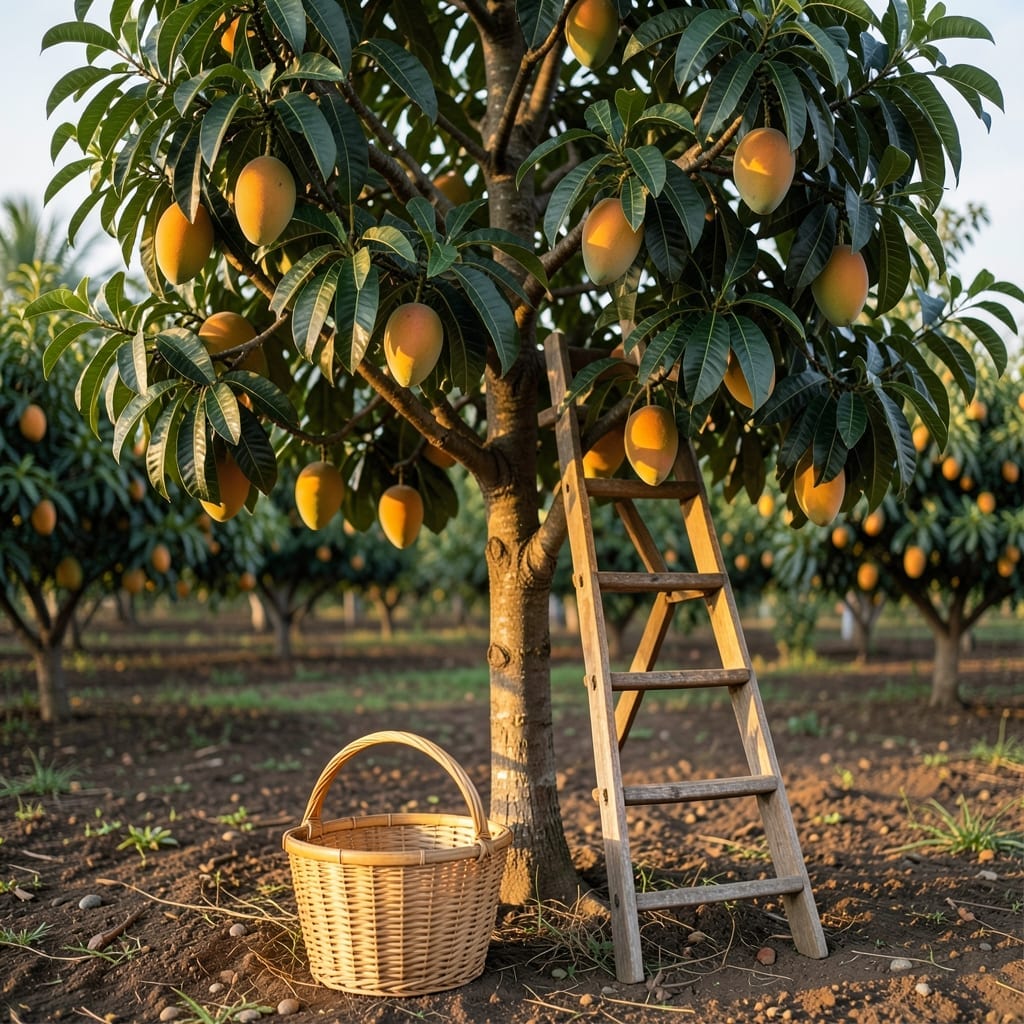
If you’ve planted a 🥭 Mango Tree and are eagerly waiting for your first harvest, knowing the right timeline can save you from years of frustration.
Mango trees don’t bear fruit overnight—their production depends on age, variety, and growing conditions. Most gardeners are surprised by how long they must wait.
Discover the key factors that determine when your tree will finally reward you with those sweet, juicy fruits you’ve been dreaming about.
If you’re wondering when your mango tree will produce fruit, the answer depends on how it was grown. Grafted trees can bear fruit in as little as 3-5 years, while seed-grown trees may take 5-8 years or longer.
Climate plays a huge role, too. In tropical regions, mango trees often fruit year-round, but in subtropical zones like Florida or California, expect a seasonal harvest from May to September. 🌳
| Variety | Years to Fruit | Harvest Season |
|---|---|---|
| Alphonso | 4-6 years | May-July |
| Keitt | 5-7 years | June-September |
| Kent | 3-5 years | May-August |
| Seed-Grown | 7-10 years | Varies by climate |
Grafted varieties like Kent or Alphonso are popular because they fruit faster and produce consistent quality. If you planted a tree from seed, patience is key—it can take a decade.
Another factor is tree health. A well-maintained mango tree with proper pruning, fertilization, and watering will fruit sooner than a neglected one. I’ve seen grafted trees in USDA Zones 10-11 bear fruit in just 3 years with ideal care.
In Florida, the harvest typically peaks from June to July, while in California, it’s a bit later, from July to September. If your tree is mature but not fruiting, check for frost damage or nutrient deficiencies. ☀️
For the best results, plant your tree in well-draining soil and ensure it gets full sun for at least 6-8 hours daily. Mango trees thrive in warm climates and struggle in areas with cold winters.
If you’re in a cooler zone, consider growing a dwarf variety in a container. These can be brought indoors during cold snaps and still produce fruit with the right care. I’ve had success with dwarf mango trees in pots on my patio.
Remember, even after your tree starts fruiting, young trees may produce fewer mangoes at first. As the tree matures, your annual yield will increase significantly. 🌿
Finally, watch for flowers in late winter or early spring—this is the first sign that fruit is on the way. If your tree blooms but doesn’t set fruit, it might need better pollination or more phosphorus in its fertilizer.
Mango trees thrive in warm climates, but their fruiting season varies by region. In tropical zones, you might see year-round production, while subtropical areas like Florida or California follow a seasonal pattern. 🌳
For U.S. gardeners, the harvest typically spans from May to September, with peak production in summer months. Florida’s season often starts earlier, while California’s may extend into fall.
In India and Southeast Asia, mango season often runs from March to September, with regional variations based on monsoon patterns. The famous Alphonso mango peaks in April-May there.
For container-grown mangoes in cooler areas, expect a shorter season. I’ve found that dwarf varieties in pots can still produce well if moved indoors during cold snaps. ✂️
Watch for color changes in the fruit—most varieties shift from green to yellow, red, or orange as they ripen. A sweet aroma at the stem is another sure sign your mangoes are ready.
If your tree isn’t fruiting when expected, check for frost damage, poor pollination, or nutrient deficiencies. Even mature trees need consistent care to produce reliably. 🌿