
Beautiful Plants For Your Interior
Beautiful Plants For Your Interior
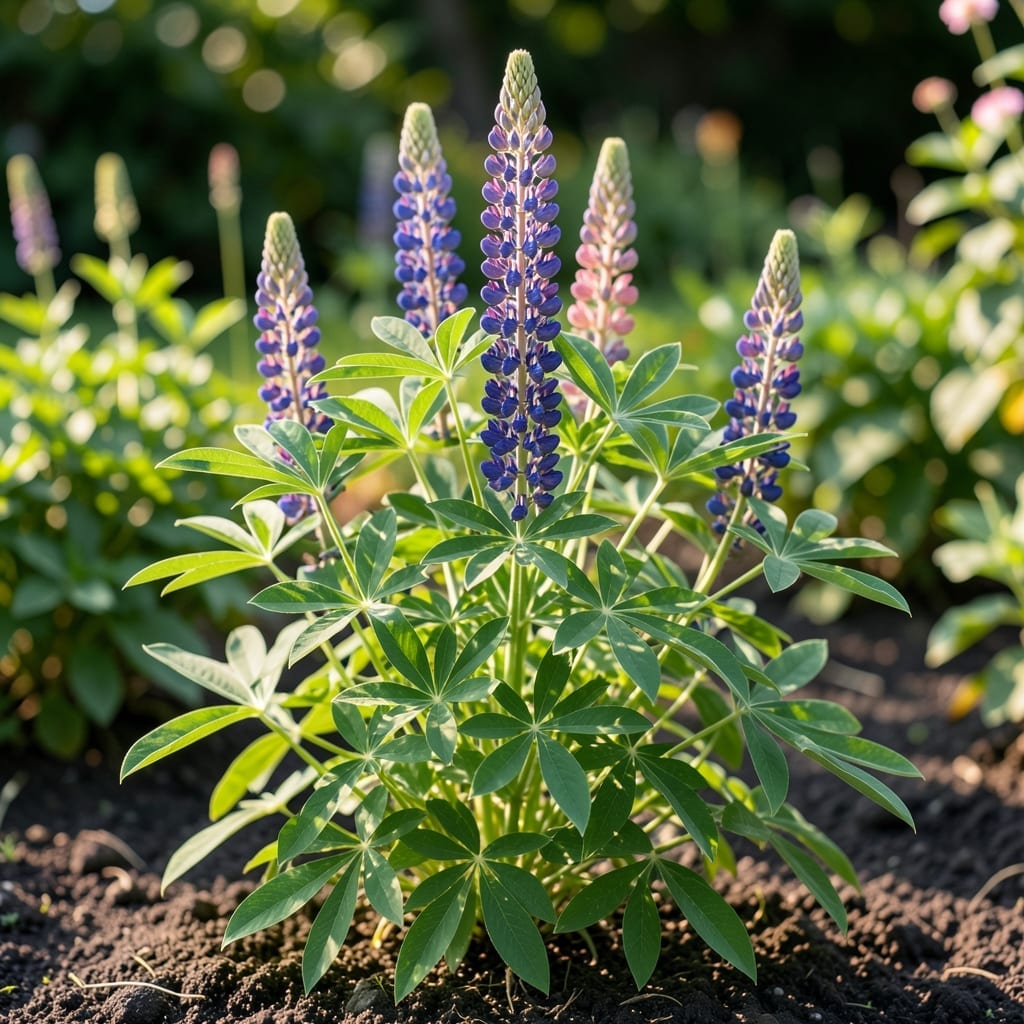
There’s something magical about watching Lupin 🌸 spikes rise from the earth, promising a burst of color. These stunning perennials don’t just add height to your garden—they create a seasonal spectacle you won’t want to miss.
But timing is everything with these beauties. While most gardeners expect blooms in late spring, the exact flowering period can shift based on your climate and the variety you’ve planted.
I’ll help you pinpoint when to expect those vibrant flowers and share tips to extend their display. Let’s make your garden the talk of the neighborhood.
If you’re wondering when do lupins flower, the answer depends on your specific variety and location. Most perennial lupins begin their spectacular display in late spring, typically May or early June in cooler climates.
In warmer regions, you might see those vibrant spikes appear as early as April. The Russell hybrids, popular in gardens, usually bloom from May to July, while Tree lupins often flower a bit later. 🌸
| Variety | Blooming Period | USDA Zones |
|---|---|---|
| Russell Lupins | May-July | 4-8 |
| Tree Lupins | June-August | 7-9 |
| Annual Lupins | April-June | All zones |
| Dwarf Lupins | May-June | 4-7 |
Climate plays a huge role in your lupins’ flowering schedule. In cooler zones like USDA 4-5, expect blooms in late May to June. Warmer areas in zones 7-8 often see flowers 2-3 weeks earlier than cooler regions.
The length of daylight and soil temperature trigger blooming. Lupins need 6+ hours of sun daily. In partial shade, they may flower later and with fewer spikes. I’ve noticed my lupins in full sun always bloom first.
For second blooms, some varieties like Russell hybrids can produce a second flush in late summer if you deadhead properly. Cut back the spent flower spikes just above a set of leaves to encourage this.
In my experience, well-drained soil is crucial. Waterlogged roots can delay flowering or cause the plant to skip blooming entirely. Aim for moist but not soggy conditions, especially during the growing season.
If you’re in a region with mild winters, some lupins may start blooming in early spring. Conversely, in areas with late frosts, the blooming period might shift to early summer for protection.
Remember that first-year plants often focus on establishing roots rather than flowering. Don’t be disappointed if your new lupins don’t bloom until their second year. This is completely normal and worth the wait. 🌿
For the longest display, plant different varieties together. This creates a staggered blooming effect that can give you lupin flowers from April through August in ideal conditions.
If you want to maximize your lupin blooms, a few simple techniques can work wonders. I’ve found that deadheading is the most effective way to encourage a second flush of flowers.
After the first blooms fade, cut back the spent flower spikes just above a set of healthy leaves. This prevents seed formation and redirects the plant’s energy toward new growth and additional blooms. 🌸
Fertilizing plays a key role in extending the blooming period. Use a high-phosphorus fertilizer every 4-6 weeks during the growing season. This encourages more flower production rather than foliage growth.
Adequate watering is also crucial. Lupins prefer moist but well-drained soil. Water deeply at the base once a week, increasing to twice weekly in extreme heat. Avoid wetting the foliage to prevent disease.
Companion planting can also help. Pair lupins with early summer bloomers like peonies or alliums. This creates a continuous display and can even improve growing conditions for your lupins.
Finally, ensure your lupins are planted in the right location. They thrive in full sun and well-draining soil. If your lupins are in too much shade, they may produce fewer blooms and have a shorter flowering season.
With these strategies, you can enjoy vibrant lupin blooms for weeks longer than usual. It’s amazing how much difference a little extra care can make in your garden’s appearance. 🌿