
Beautiful Plants For Your Interior
Beautiful Plants For Your Interior
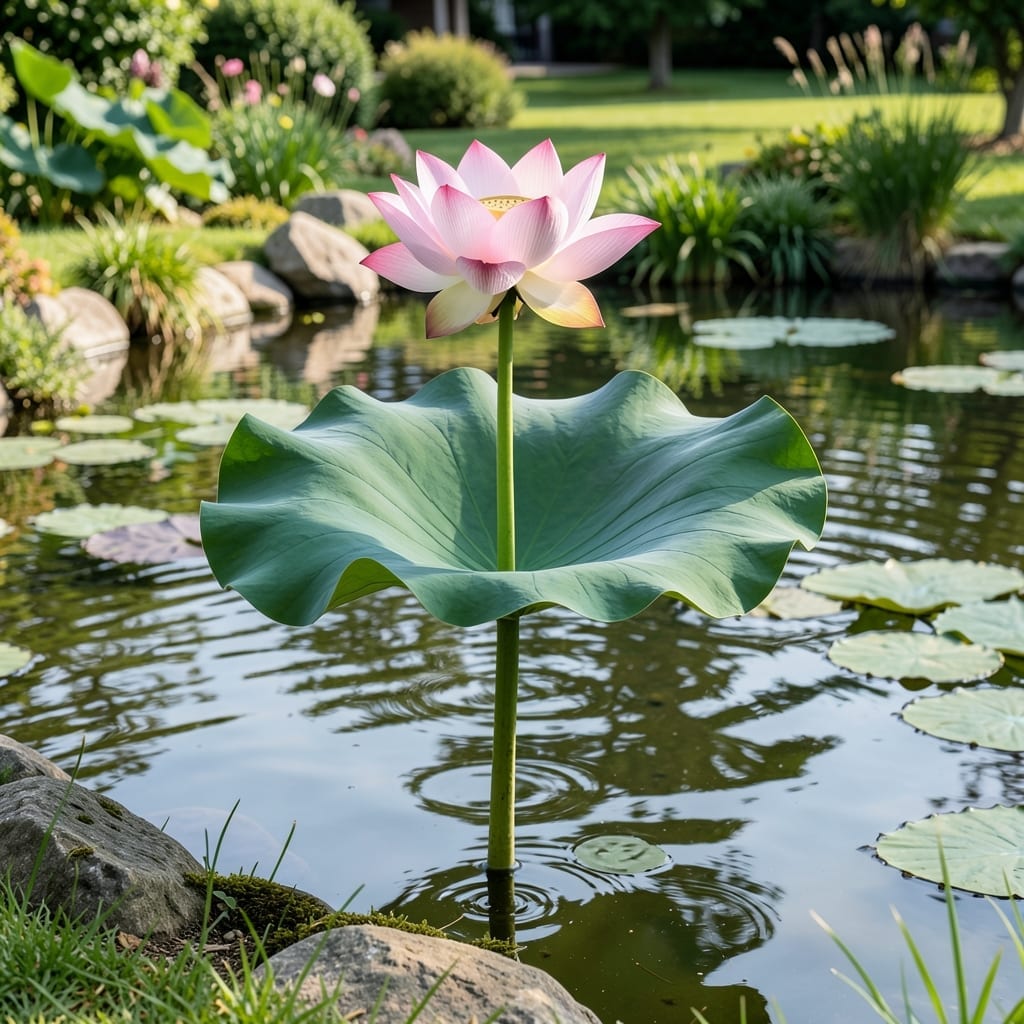
There’s something almost magical about watching a Lotus 🌸 unfurl its petals, transforming a quiet pond into a vibrant display. Many gardeners find themselves waiting impatiently for this moment each year.
Timing the bloom can feel tricky, but it follows a predictable seasonal rhythm. The right conditions make all the difference in when you’ll see those first stunning flowers.
I’ll break down the typical blooming window for Lotus, what influences the timing, and how you can encourage earlier or longer-lasting displays in your own garden.
The Lotus bloom season typically begins in early summer and continues through late summer or early fall, depending on your climate zone and variety. In warmer regions, you may see blooms as early as May.
For most gardeners in USDA zones 5-11, the peak blooming period is July through September. The exact timing hinges on water temperature, with blooms triggered when pond water reaches 70-80°F (21-27°C).
| Stage | Timeframe | Key Factor |
|---|---|---|
| Early Blooms | Late May – June | Warm climates |
| Peak Season | July – August | 70-80°F water |
| Late Blooms | September | Cooler zones |
| Dormancy | October+ | Below 50°F |
Tropical lotus varieties often bloom earlier and longer than hardy lotus. The tropical types may start blooming in late spring and continue until the first frost, while hardy varieties follow the standard summer schedule.
I’ve noticed that water depth also plays a role. Lotus planted in shallow water (6-12 inches) tend to bloom earlier than those in deeper ponds, as the water warms faster in shallower areas.
Sunlight exposure is another critical factor. Lotus require full sun (6+ hours daily) to produce their iconic blooms. Without adequate light, the plants may focus on foliage growth instead of flowering.
In my experience, container-grown lotus often bloom slightly later than those planted directly in ponds. This is because container water temperatures fluctuate more, sometimes delaying the warming process that triggers blooming.
For gardeners in cooler climates, starting lotus tubers indoors in early spring can help synchronize the blooming period with warmer months. This head start allows the plants to establish before being moved to outdoor ponds.
The first blooms of the season are always the most exciting. They typically appear on mature plants that have been established for at least one growing season, though some vigorous varieties may bloom in their first year.
To maximize your lotus blooming season, I recommend monitoring water temperatures with a pond thermometer. When the water consistently stays above 70°F, you can expect blooms within 2-3 weeks ☀️
To get the most from your lotus blooms, I focus on creating ideal conditions. The key is ensuring your water garden provides consistent warmth and nutrients. Even small adjustments can extend the blooming window significantly.
I’ve found that using a balanced fertilizer like 10-10-10 every 4-6 weeks during the growing season encourages more abundant and longer-lasting flowers. Just be careful not to over-fertilize, as this can lead to excessive foliage at the expense of blooms.
Another trick I swear by is using dark-colored containers for your lotus. The dark material absorbs more sunlight and heats the water faster, which can trigger blooming 1-2 weeks earlier in spring.
Water depth is often overlooked but crucial. In my garden, lotus in 6-12 inches of water bloom earlier than those in deeper sections. The shallower water warms more quickly, giving you a head start on the blooming season.
Don’t forget about pruning. Regularly removing yellow or damaged leaves helps the plant direct energy toward flower production. I do this every 2-3 weeks during the growing season for best results.
For gardeners in cooler climates, consider adding a pond heater in early spring. This can make the difference between a late July first bloom and an early June display. I’ve seen this extend the blooming season by 4-6 weeks in my own garden ☀️