
Beautiful Plants For Your Interior
Beautiful Plants For Your Interior
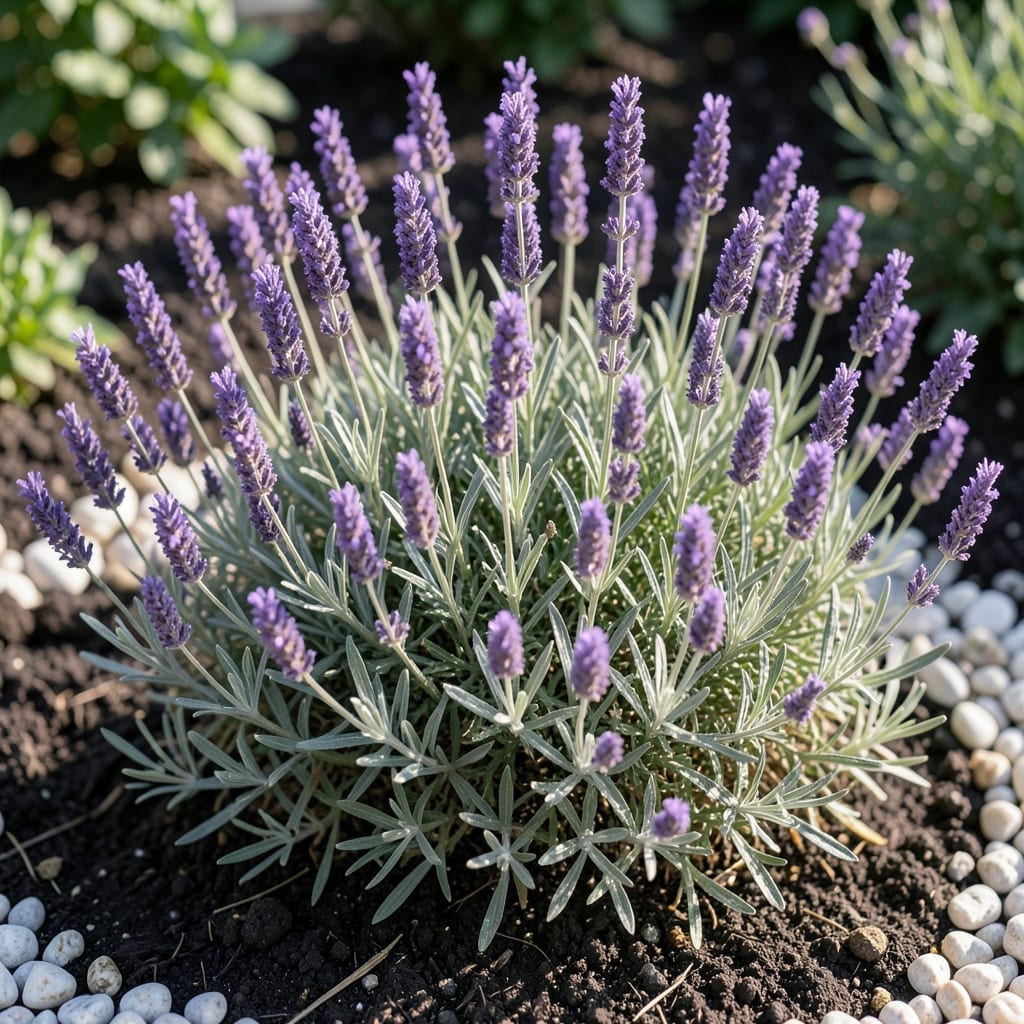
Lavender’s fragrant purple blooms are a garden favorite, but their flowering time varies more than many realize. Understanding when 🌿 Lavender plants bloom helps you plan, plant, and enjoy their beauty at the perfect moment.
I’ve seen these resilient plants thrive in zones 5-9, with their peak display often surprising even experienced gardeners. The timing depends on factors you can influence.
Discover how climate, care, and variety affect Lavender’s bloom cycle—and how to make it last longer. Let’s dig in.
If you’re wondering when lavender plants bloom, the answer depends largely on your climate. In warm Mediterranean regions, lavender often starts blooming as early as April or May, while cooler areas may see flowers in June or July. 🌿
The bloom period typically lasts 3-4 weeks, with some varieties producing a second flush of flowers in late summer if properly cared for. Understanding your local conditions helps you anticipate and maximize this beautiful display.
| Climate | Primary Bloom | Secondary Bloom |
|---|---|---|
| Mediterranean | April-May | August-September |
| Temperate | June-July | Late August |
| Cold | July-August | Rare |
| Arid | May-June | July-August |
In Mediterranean climates, lavender thrives in the dry heat, often producing its first blooms in early spring. The plants here benefit from the long, sunny days that encourage abundant flowering.
Temperate regions like the Pacific Northwest see lavender bloom a bit later, usually in early to mid-summer. These areas often experience a second bloom if the plants are pruned back after the first flowering.
For gardeners in colder climates, such as zone 5, lavender typically blooms in mid to late summer. The shorter growing season means you might not see a second flush, but the first bloom is often more vibrant due to the cooler temperatures.
In arid climates, like the Southwest, lavender can start blooming as early as May. The low humidity and intense sunlight create ideal conditions for prolonged blooming, sometimes extending into fall.
Regardless of climate, English lavender tends to bloom earlier than Spanish or French varieties. I’ve found that proper pruning in early spring can encourage earlier and more abundant blooms across all types. ✂️
Another factor is soil temperature. Lavender prefers well-draining soil that warms up quickly in spring. In cooler areas, mulching with gravel can help retain heat and encourage earlier blooming.
Finally, watering habits play a role. Overwatering can delay blooming, while consistent moisture without waterlogging promotes healthy flower development. In my garden, I’ve seen the best results with deep but infrequent watering. 💧
I’ve found that with the right care, you can extend lavender blooms well beyond their natural window. The key is understanding that healthy plants produce more flowers, and that starts with proper pruning. 🌿
Timing your pruning is crucial. I always trim back lavender right after the first bloom fades, which encourages the plant to produce a second flush of flowers in late summer or early fall.
Another trick I swear by is deadheading spent blooms. This prevents the plant from putting energy into seed production and instead directs it toward new flower growth. It’s a simple step that can add weeks to your blooming season.
Soil conditions play a huge role too. Lavender thrives in poor, rocky soil with excellent drainage. If your soil is too rich or retains too much moisture, the plant may focus on foliage rather than flowers. ✂️
Watering is often overlooked. Overwatering is a common mistake that can lead to weak growth and fewer blooms. I water my lavender deeply every 2-3 weeks, allowing the soil to dry out completely between waterings.
Finally, consider the lavender variety. Some, like ‘Grosso’ or ‘Provence’, are known for their long bloom periods and may naturally flower longer than others. Planting a mix of early and late bloomers can give you continuous color all season. 🌷