
Beautiful Plants For Your Interior
Beautiful Plants For Your Interior
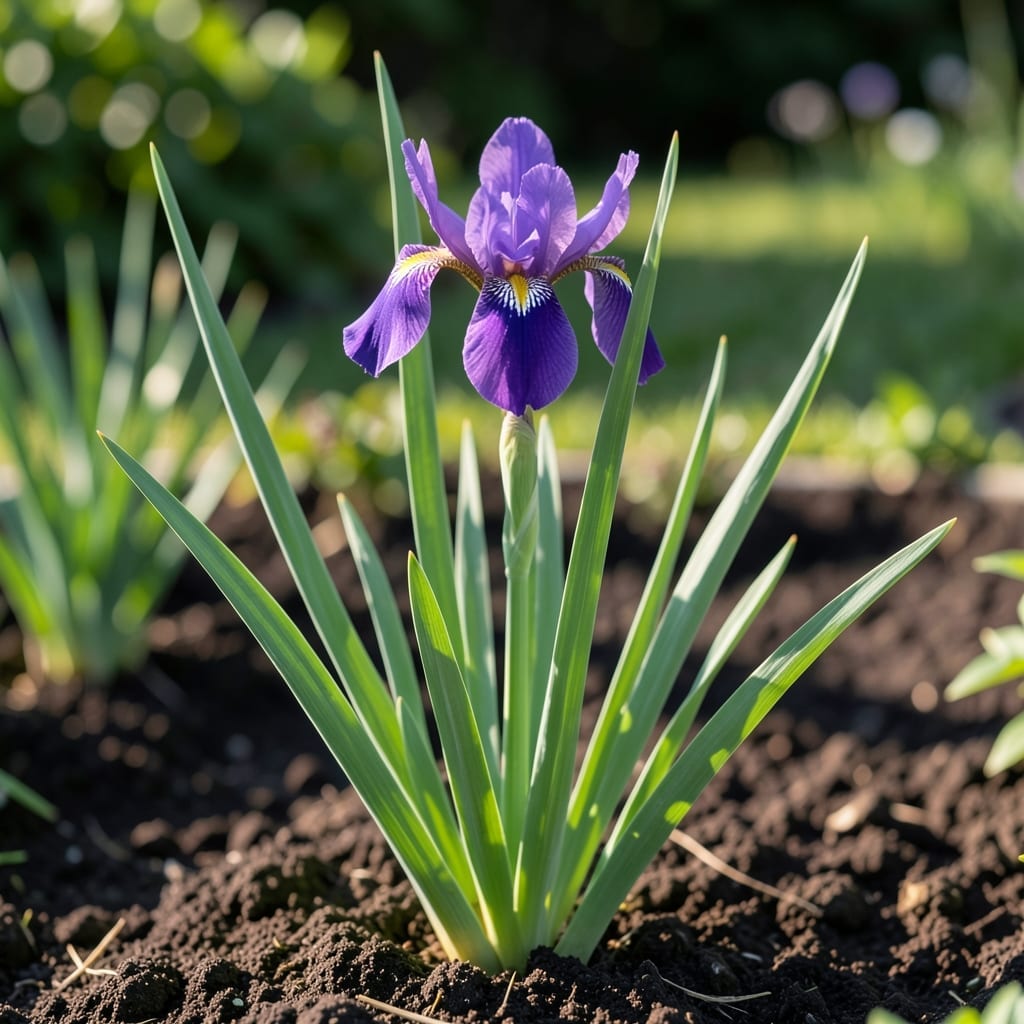
Watching Iris 🌸 plants burst into bloom is one of the most rewarding moments for gardeners. Their timing varies wildly by type, making them a garden staple from early spring to summer.
Knowing when to expect those iconic, sword-like leaves to produce vibrant flowers helps you plan a garden that stays colorful. It’s all about understanding their natural cycles.
Discover how different varieties and regional factors influence blooming periods. I’ll show you the key to enjoying their beauty longer.
I love how iris plants bring such vibrant color to gardens, but their bloom times can be confusing. Different varieties have distinct flowering windows, making them perfect for staggered displays throughout the growing season.
From early spring to late summer, you can enjoy continuous blooms by choosing the right types. Climate and care also play a big role in when those iconic flowers appear.
I always deadhead spent blooms to encourage more flowers. This simple step prevents the plant from putting energy into seed production, often resulting in additional bloom cycles.
For reblooming irises, I’ve found that consistent watering and balanced fertilizer are crucial. These varieties need extra care to produce their second flush of flowers in fall.
Don’t forget about dividing clumps every 3-4 years. Overcrowded rhizomes can reduce blooming, so this maintenance step keeps your irises healthy and flowering strongly.
Mulching helps retain moisture and regulate soil temperature, which can extend the blooming period by keeping plants happy longer. 🌱
By implementing these techniques, I’ve managed to create an iris garden that stays vibrant for nearly five months each year. It’s all about working with nature while giving your plants the best possible care.