
Beautiful Plants For Your Interior
Beautiful Plants For Your Interior
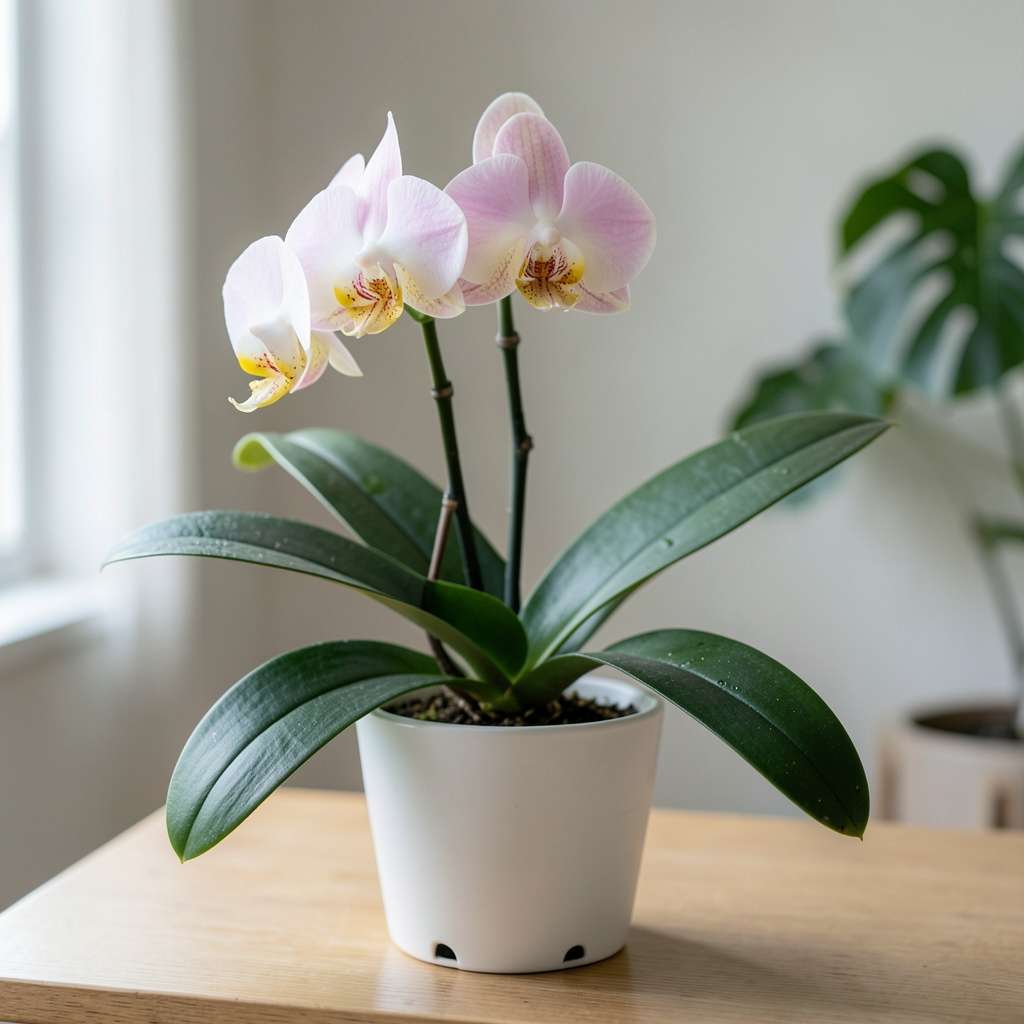
Indoor orchids typically enter dormancy after blooming, usually during late fall or winter, when they stop producing new leaves and growth slows significantly.
During dormancy, which often occurs in colder months, I notice my orchids display various signs like yellowing leaves and reduced growth. 🌱 This phase is essential for their overall health, allowing them to conserve energy and prepare for the next blooming cycle. Understanding these changes helps me provide the right care, ensuring my plants thrive when they resume growth in the spring.
💡 In This Article
Understanding when indoor orchids enter dormancy involves observing specific biological triggers. Typically, these plants respond to changes in light cycles and temperature shifts. As daylight shortens and temperatures drop during late fall or winter, growth slows, signaling the orchid to conserve energy. 🌿
Visible cues are essential indicators of dormancy. For instance, you might notice leaf yellowing, where leaves turn pale and drop off, or dry pseudobulbs that become wrinkled as the plant redirects its resources. Additionally, halted root activity is common, as orchids reduce nutrient uptake during this restful period. 🌱
During dormancy, it’s crucial to adjust your care routine. This means minimizing watering frequency to avoid over-saturation, which can lead to root rot. Orchids typically need only enough moisture to prevent the roots from completely drying out. I’ve found that watering once every couple of weeks is usually sufficient during this phase. 💧
Another vital aspect is maintaining optimal light exposure. While your orchid may not need as much direct sunlight during dormancy, ensuring it still receives bright, indirect light is essential. A south-facing window often works well, but be cautious of direct rays that can scorch the leaves. ☀️
Fertilizer adjustments are also important during this time. Many growers choose to withhold fertilizer altogether during dormancy, allowing the plant to rest without the added stress of nutrient uptake. When growth resumes in spring, a diluted fertilizer can help kickstart the recovery process. 🌸
Lastly, it’s essential to avoid disturbing the roots during this period. Orchids thrive when left undisturbed, as excessive handling can cause stress and hinder their recovery when it’s time to grow again. Maintaining a stable environment will aid in their overall health as they transition back into their active growth phase. 🌼
