
Beautiful Plants For Your Interior
Beautiful Plants For Your Interior
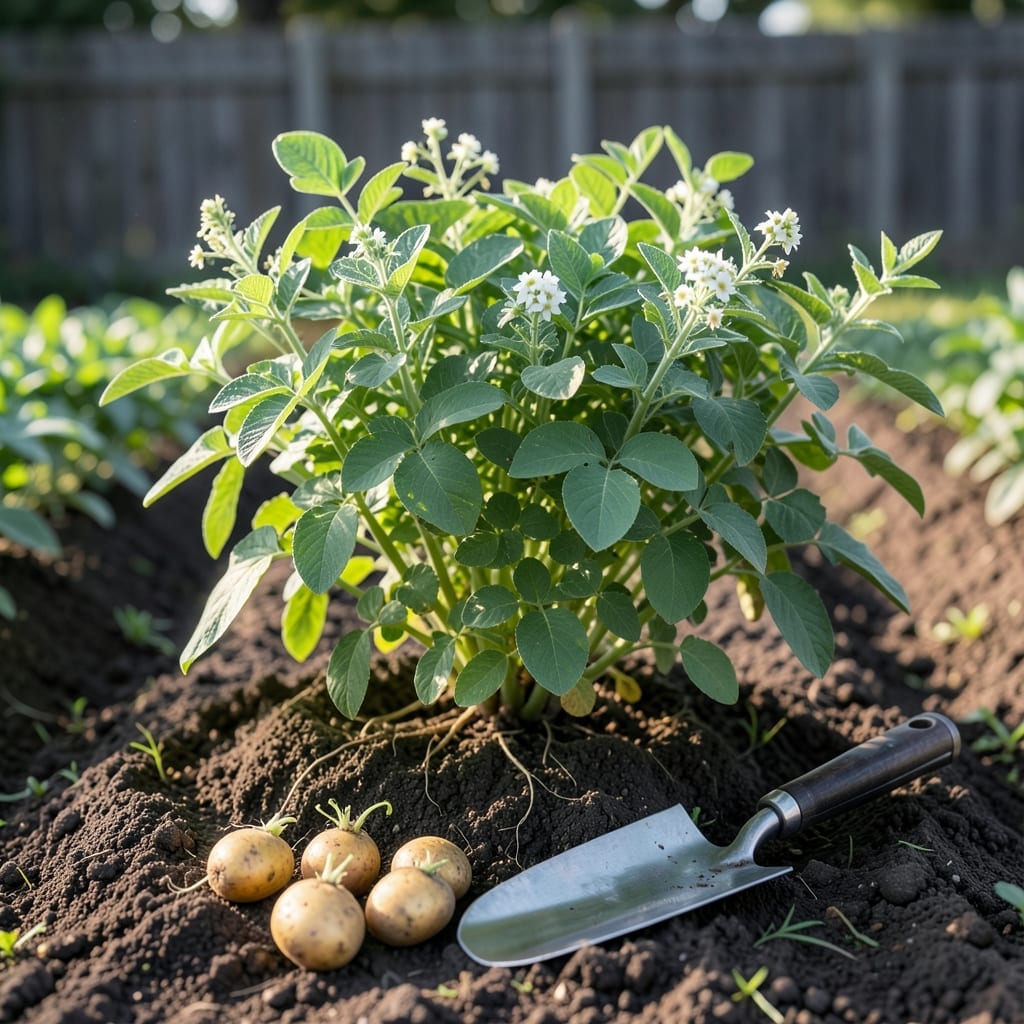
Timing your 🥔 Potato planting in Zone 7 can mean the difference between a bountiful harvest and a disappointing yield. Get the exact planting calendar to maximize your crop’s potential.
In Zone 7, where the last frost typically hits around mid-April, knowing when to start is the key to success. Plant too early, and frost might ruin your efforts. Plant too late, and you’ll miss the optimal growing window.
I’ll walk you through the perfect timing, considering soil temperature and seasonal shifts. Whether you’re a first-timer or a seasoned gardener, these insights will help you nail the timing every time.
Discover how to align your planting with nature’s rhythm for the best results. Let’s dig into the details that will set your garden up for a thriving potato season.
In USDA Zone 7, timing is everything for potato planting success. The mild winters and warm summers give us two planting windows each year. I always aim for early spring and late summer plantings to maximize my harvest.☀️
For spring planting, I start 2-3 weeks before the last frost date, which is around April 15th in Zone 7. This means late March is ideal. The soil temperature must be at least 45°F for seed potatoes to sprout properly.✂️
| Season | Planting Time | Harvest Time | Key Notes |
|---|---|---|---|
| Spring | Late March | June-August | Soil at 45°F+ |
| Fall | Mid-August | October-November | Before first frost |
For a fall harvest, I plant in mid-August. This gives the potatoes 90-120 days to mature before the first frost around October 15th. Fall planting works well because the soil stays warm longer in Zone 7.🌱
I always check my soil temperature with a thermometer. If it’s below 45°F, I wait. Early varieties like Yukon Gold or Red Pontiac are perfect for spring planting. They mature in about 70-90 days.🌿
For fall planting, I prefer late-season varieties like Kennebec or Russet. These need 110-135 days to mature. I
I’ve found that staggering plantings every 2-3 weeks extends my harvest season. This way, I’m not overwhelmed with too many potatoes at once. It also helps if some plants don’t thrive due to unexpected weather.✂️
Remember, frost dates are just guidelines. I watch the local weather closely. If a late frost is forecasted after I’ve planted, I cover my potato hills with frost cloth or straw mulch.🌱
In Zone 7, our long growing season is a advantage. With 180 frost-free days, we can often get two full crops of potatoes. I’ve even experimented with winter planting under row covers for early spring harvests.🌿
For the best results, I pre-sprout my seed potatoes. I place them in a bright, cool spot for 2-4 weeks before planting. This gives them a head start and leads to faster emergence once in the ground.☀️
In Zone 7, preparing your soil is just as important as timing your potato planting. I always start by testing my soil pH, aiming for 5.0-6.5 for ideal tuber growth.
Next, I loosen the soil to 12 inches deep to ensure proper drainage, as potatoes hate waterlogged roots. Adding organic compost boosts fertility and improves soil structure.
I’ve found that mixing in aged manure or leaf mold adds extra nutrients. Remember, potatoes thrive in loose, well-draining soil that’s rich in organic matter.
For clay-heavy soil, I amend with sand or peat moss to improve texture. This prevents compaction, which can stunt tuber development.
Finally, I let my soil settle for a week before planting. This ensures all amendments are well incorporated and the soil is ready for seed potatoes.
Avoid fresh manure, as it can burn young plants or introduce weeds. Stick to well-composted materials for best results. ☀️