
Beautiful Plants For Your Interior
Beautiful Plants For Your Interior
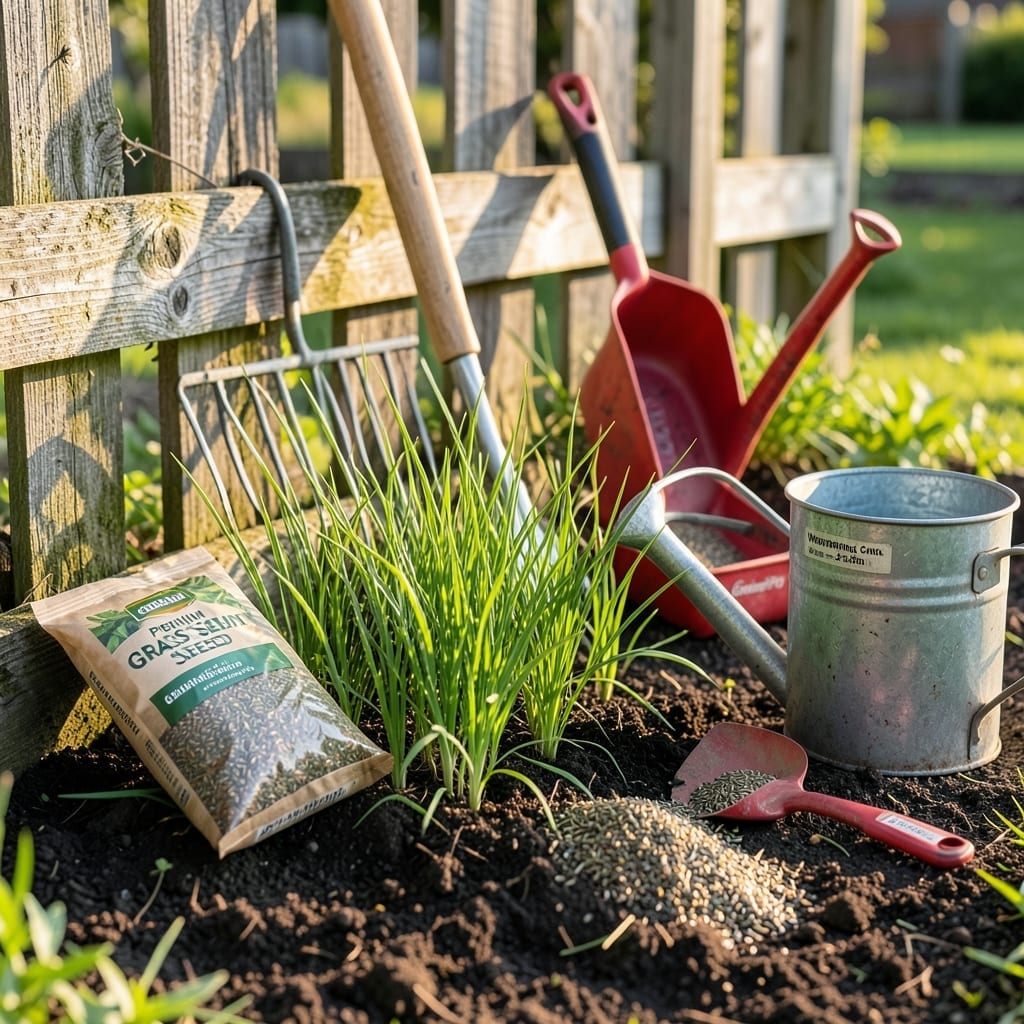
Timing is everything when planting 🌱 Grass seed in the spring—plant too early and frost may kill your seedlings, too late and summer heat can stress new growth.
In zone 6, the sweet spot is between March and May, when soil temperatures consistently hit 55-65°F.
This window gives your lawn the best start for healthy growth, avoiding both late frosts and scorching summer days.
Let me walk you through how to nail this timing and set your 🌱 Grass up for success this season.
Timing your grass seed planting in spring is crucial for a lush lawn. The ideal window depends on your USDA hardiness zone and grass type. Cool-season grasses thrive in early spring, while warm-season varieties need warmer soil.
For most regions, aim to plant when soil temperatures reach 55-65°F. This ensures seeds germinate quickly without frost damage. Check your local last frost date to avoid early planting mistakes.
| Grass Type | Ideal Planting Months | Soil Temperature |
|---|---|---|
| Cool-Season (Kentucky Bluegrass) | March-April | 50-65°F |
| Cool-Season (Tall Fescue) | March-May | 55-65°F |
| Warm-Season (Bermuda) | April-June | 65-70°F |
In northern climates (Zones 3-5), early spring is best. Plant as soon as the ground thaws and soil is workable. This gives seeds time to establish before summer heat.
For transition zones (Zones 6-7), mid-spring works well. Wait until nighttime temperatures stay above 50°F to prevent frost damage to new seedlings.
In southern regions (Zones 8-10), late spring is ideal. Warm-season grasses like Bermuda or Zoysia need consistent warmth to thrive.
Always check the 10-day forecast before planting. A sudden cold snap can kill young grass. I recommend using a soil thermometer to confirm temperatures are optimal.
Remember that spring planting competes with weeds. Apply a pre-emergent herbicide at least 6-8 weeks before seeding to control weeds without harming new grass.
For best results, prepare your soil first. Remove debris, loosen the top 2-3 inches, and add compost. This creates a fertile bed for seeds to take root quickly.
After planting, keep the soil consistently moist but not soggy. Water lightly daily until seeds germinate, then shift to deep watering twice weekly.
With the right timing and care, you’ll see green shoots in 7-21 days depending on grass type. Be patient and avoid heavy foot traffic on new lawns for 4-6 weeks 🌱
Getting the timing right for grass seed isn’t just about the calendar—it’s about multiple environmental factors working together. I always check these five elements before I even open a seed bag.
From soil temperature to rainfall patterns, each plays a crucial role in whether your lawn will thrive or struggle. Let me break down what you need to watch for this spring.
I’ve learned the hard way that soil temperature is the most critical factor. Even if air temps are perfect, cold soil will cause seed dormancy or rot. Use a soil thermometer for accuracy.
Grass type matters more than you think. Cool-season grasses like Kentucky bluegrass need early spring planting, while warm-season types prefer late spring when soil is warmer.
Monitor your local weather for consistent rainfall. New seedlings need 1 inch of water weekly, so plant when nature can help with irrigation.
Finally, watch for weed pressure. Planting 2-3 weeks before weeds germinate gives your grass a competitive edge without herbicides.