
Beautiful Plants For Your Interior
Beautiful Plants For Your Interior
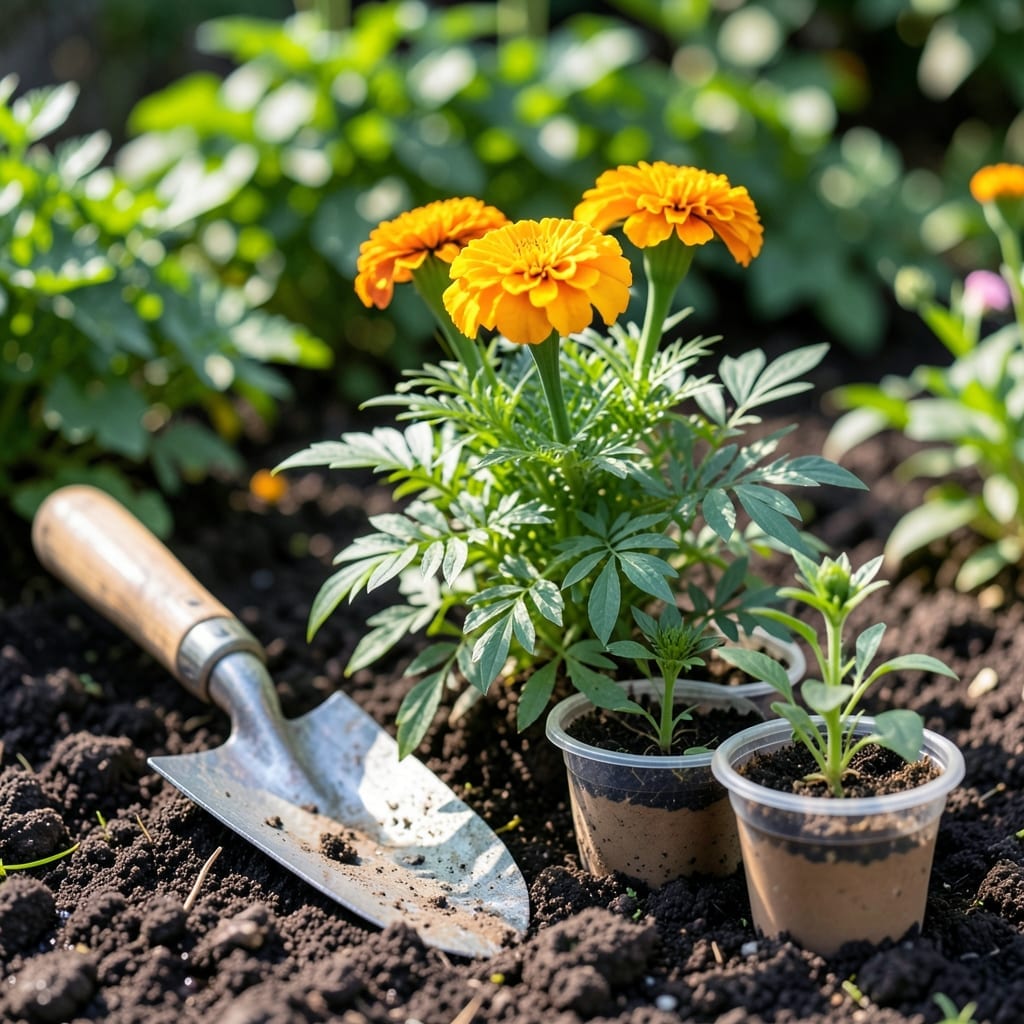
Timing is everything when planting Flowers in spring—plant too early and frost may kill your blooms, too late and you’ll miss the growing season.
The perfect window exists between these risks, and I’m here to help you find it. Whether you’re a first-time gardener or a seasoned green thumb, timing can make or break your garden.
For most of us in Zone 6, the sweet spot is March through May, but that’s just the beginning. Different Flowers have different needs, and your local climate plays a huge role.
Let me walk you through the essential timing details that will ensure your garden thrives this season. We’ll cover exactly when to get those Flowers in the ground for the best results.
I know how confusing it can be to figure out the right planting time for flowers in spring. The key is understanding your USDA Hardiness Zone, which tells you when to expect the last frost of the season.
In Zone 3-4, you’ll want to wait until late May to plant most annuals, while Zone 9-11 gardeners can start as early as February. Perennials and bulbs often have different windows, so it’s important to check each variety.
| USDA Zone | Planting Window | Last Frost Date | Soil Temp |
|---|---|---|---|
| 3-4 | Late May – Early June | May 15 – June 1 | 55-60°F |
| 5-6 | Mid April – Early May | April 15 – May 1 | 50-55°F |
| 7-8 | Early April – Late April | March 15 – April 15 | 60-65°F |
| 9-11 | February – Early March | January 15 – February 15 | 65-70°F |
For annual flowers like marigolds or zinnias, I always wait until after the last frost date. These tender plants can’t handle even a light frost, so timing is critical for their survival.
Perennials, on the other hand, are a bit more forgiving. I’ve had success planting daylilies and cone flowers a few weeks before the last frost, as long as the soil is workable.
If you’re unsure about your soil temperature, I recommend using a soil thermometer. Most spring flowers need soil temps of at least 50°F to 60°F for optimal germination and growth.
Don’t forget about bulbs like tulips and daffodils. These should be planted in fall for spring blooms, but if you’re transplanting or dividing them, early spring is a great time.
In my experience, Zone 6 gardeners can start planting cool-season annuals like pansies and snapdragons in early March, while waiting until mid-April for more tender varieties.
Remember, these are general guidelines. Local microclimates can affect planting times, so I always keep an eye on the weather forecast and adjust as needed. When in doubt, err on the side of caution and wait a little longer.
Your local cooperative extension office is another great resource for zone-specific advice. They often provide updated frost date information and can offer insights tailored to your exact location.
With the right timing, you’ll be rewarded with a vibrant, blooming garden that thrives throughout the season 🌷
Spring offers multiple planting windows, and choosing the right flowers for each can extend your bloom season. I always start with cold-hardy varieties in early spring to get a head start.
For mid-spring, I focus on flowers that thrive in warming soil but can handle light frosts. This is when my garden really starts to come alive with color.
In early spring, I love planting pansies and snapdragons because they can handle those chilly March nights. They’ll reward you with color when most plants are still sleeping.
Mid-spring is perfect for marigolds and petunias. I wait until the soil warms to about 60°F for these. They’ll establish quickly and bloom all summer with proper care.
For late spring, I save my zinnias and cosmos. These heat-lovers need warm soil and won’t tolerate frost. Plant them after your last frost date for best results.
Don’t forget about perennials like peonies and bleeding hearts. I plant these in early spring so they can establish roots before the heat of summer arrives.
Each of these windows gives you a chance to layer your garden with continuous color from spring through fall. ✂️