
Beautiful Plants For Your Interior
Beautiful Plants For Your Interior
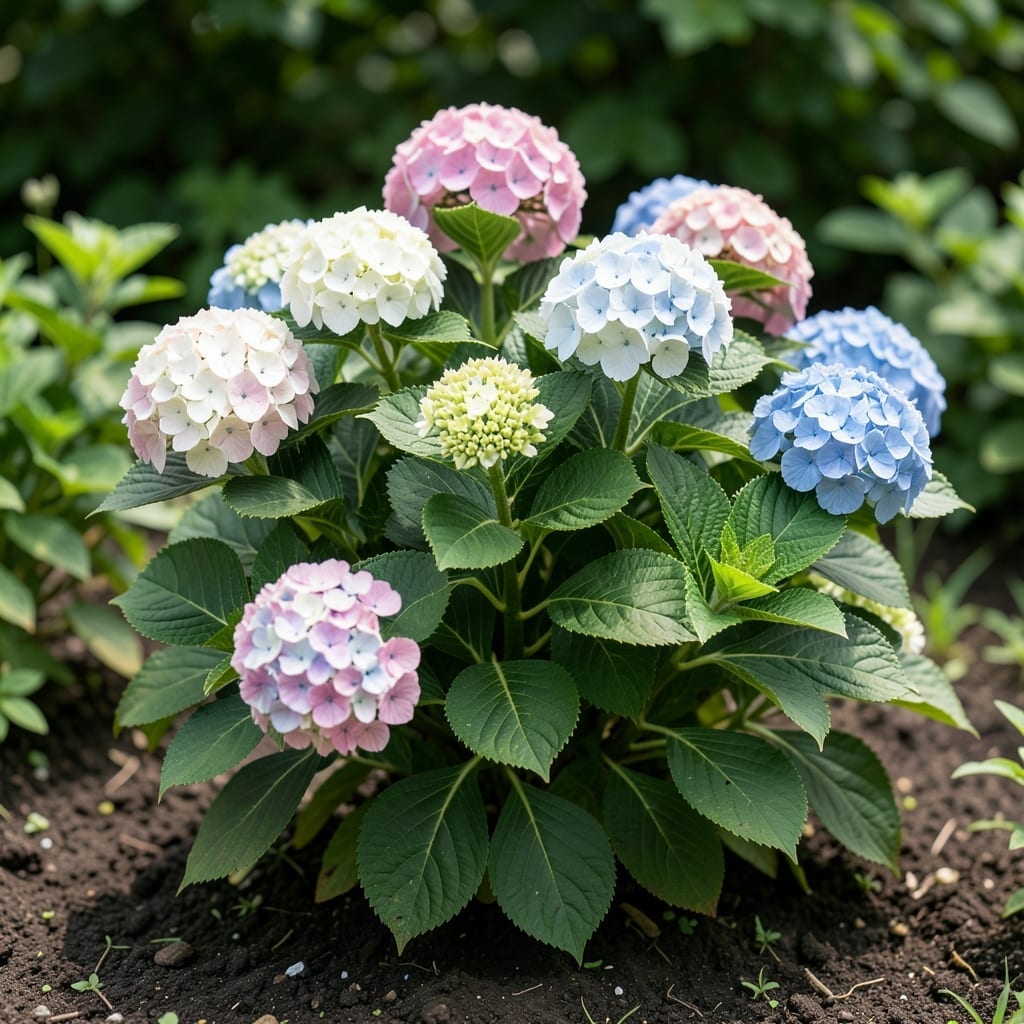
Wisconsin gardeners often wonder when their 🌸 Hydrangea will burst into color. The timing varies dramatically by variety and local climate conditions in our 4b-5a zone.
Understanding the seasonal bloom cycle helps you plan, prune, and enjoy these stunning flowers at their peak. From early summer to fall, different types show their colors at different times.
I’ll break down exactly when to expect those gorgeous blooms and how to care for your Hydrangea to maximize their beauty. Let’s dive into the details.
Wisconsin’s USDA zones 4b-5a create unique growing conditions for hydrangeas. The bloom timing varies significantly by variety, with some starting as early as June and others peaking in late summer. Knowing your hydrangea type is key to predicting its show.
From bigleaf to panicle types, each has its own schedule. I’ve seen gardeners surprised when their oakleaf hydrangeas bloom weeks earlier than expected. Let’s break it down by variety.
| Variety | Bloom Time in Wisconsin | Key Notes |
|---|---|---|
| Bigleaf (Hydrangea macrophylla) | June to August | Blooms on old wood. Protect from late frosts. |
| Panicle (Hydrangea paniculata) | July to September | Blooms on new wood. More cold-hardy. |
| Oakleaf (Hydrangea quercifolia) | June to July | Early bloomer. Drought-tolerant once established. |
| Smooth (Hydrangea arborescens) | July to September | Blooms on new wood. Thrives in partial shade. |
The bigleaf hydrangea is the classic favorite but can be tricky in Wisconsin. Its old wood blooming habit means late frosts can wipe out the season’s flowers. I always recommend protecting it with mulch or burlap in winter.
Panicle hydrangeas like ‘Limelight’ are my top pick for Wisconsin gardeners. They bloom on new wood, so even if winter kills the stems, you’ll still get flowers. Plus, they handle full sun better than other types.
Oakleaf hydrangeas are the earliest to bloom here, often starting in June. Their white, cone-shaped flowers turn pink as they age. They’re also the most drought-tolerant, making them low-maintenance.
Smooth hydrangeas, including the popular ‘Annabelle’, bloom from July to September. They’re perfect for shadier spots and produce those huge, round flower heads we all love. Just keep the soil consistently moist.
In my experience, panicle and smooth hydrangeas are the most reliable for Wisconsin. They’re hardy, adaptable, and bloom consistently year after year. Bigleaf can be finicky but rewards you with gorgeous blue or pink blooms if given proper care.
Remember, these timelines can shift by 1-2 weeks depending on your exact location in Wisconsin and the year’s weather patterns. A warm spring might bring earlier blooms, while a late frost could delay them.
If you’re unsure which variety you have, observe its bloom shape and timing. That’s the best clue to its identity and care needs.
Wisconsin’s unpredictable weather plays a huge role in when your hydrangeas will bloom. Our USDA zones 4b-5a experience late frosts and temperature swings that can either delay or damage potential blooms. I’ve seen bigleaf hydrangeas lose their buds to a May frost more times than I can count.
The last frost date in most of Wisconsin is around May 15, but that doesn’t mean we’re safe from cold snaps. Even panicle hydrangeas, which bloom on new wood, can be set back by a late spring freeze. A warm March might trick plants into early growth, only to be zapped by April frost.☀️
⚠️ Warning: Old wood bloomers like bigleaf and oakleaf hydrangeas are most at risk. If flower buds form in fall and a hard frost hits before spring, you may lose that year’s blooms entirely.
Spring temperature fluctuations also affect bloom timing. A cool, wet spring can delay blooming by 1-2 weeks, while a warm, dry spring might speed it up. I’ve noticed my smooth hydrangeas bloom earlier in years with early warmth.
Winter damage is another culprit. Without proper protection, stems can die back, especially on less cold-hardy varieties. Even panicle hydrangeas, though tougher, benefit from winter mulching. I always pile on 4-6 inches of mulch after the ground freezes.
Soil moisture levels in spring can impact blooming too. Drought stress early in the season may cause buds to drop. I make sure my hydrangeas get consistent watering as they break dormancy, especially if we have a dry spring.
To mitigate weather risks, choose cold-hardy varieties like ‘Limelight’ or ‘Annabelle’. Site them in sheltered locations, and always protect the base with mulch. With these precautions, you’ll enjoy reliable blooms year after year.🌿