
Beautiful Plants For Your Interior
Beautiful Plants For Your Interior
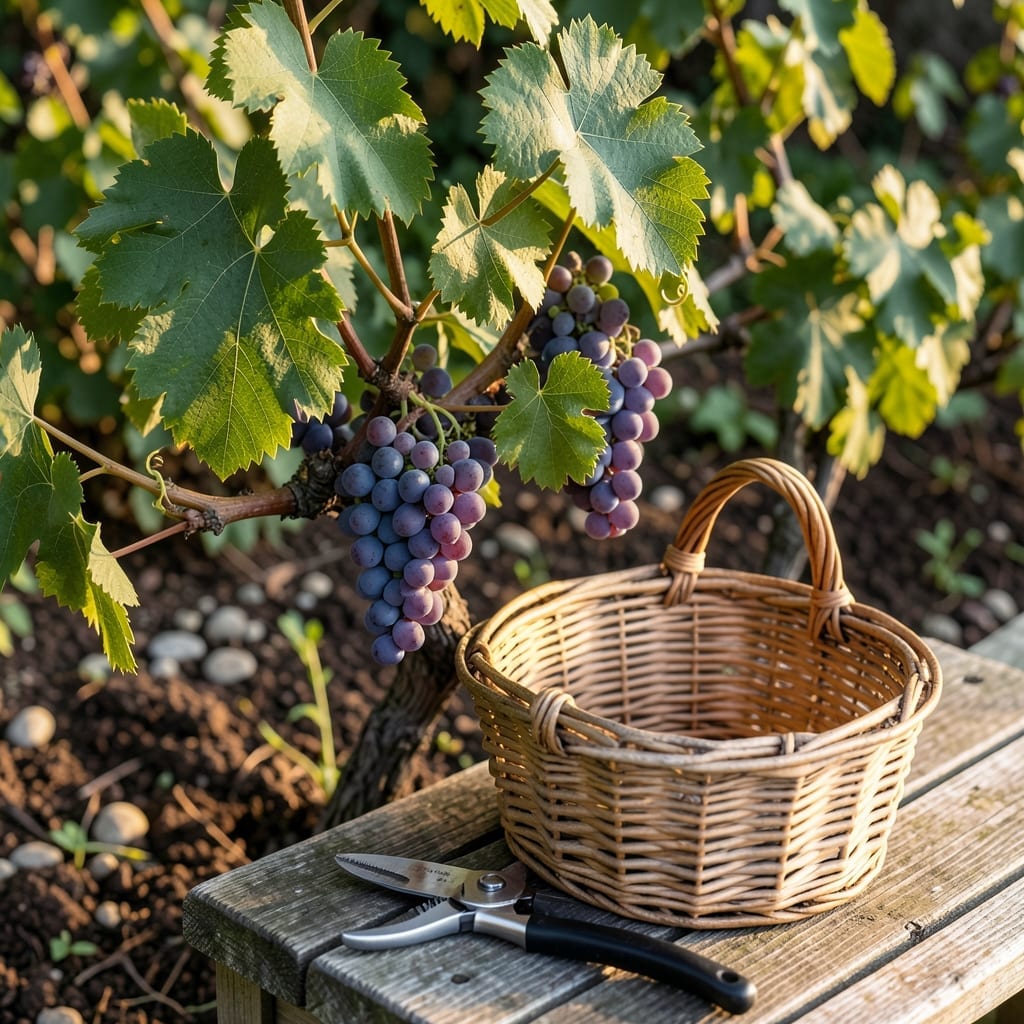
Knowing exactly when 🍇 Grape vines are ready can transform your harvest from bitter to bliss. The timing isn’t one-size-fits-all—it hinges on variety, weather, and how you’ve tended your plants.
From early-season Concords to late-ripening Cabernets, each type follows its own clock. I’ll break down the key signs that tell you it’s go time, so you never pick a cluster too soon or too late.
Discover how to read your vines like a pro and pull in sweeter, juicier fruit every single season. Let’s get started.


Timing your grape harvest perfectly starts with knowing your variety. Early-season grapes like Concord or Niagara often ripen in 70-80 days after bloom. These are your go-to for quick results.
Mid-season varieties, such as Thompson Seedless or Muscat, typically need 90-110 days. They offer a balance of speed and flavor development for most gardeners.
| Variety | Season | Days to Ripen | Harvest Window |
|---|---|---|---|
| Concord | Early | 70-80 | Late July-Early Aug |
| Thompson Seedless | Mid | 90-110 | August-September |
| Cabernet Sauvignon | Late | 140-160 | September-October |
| Muscadine | Late | 150-180 | Late September-Nov |
Late-season grapes like Cabernet Sauvignon or Muscadine can take 140-180 days. These need more patience but often deliver the most complex flavors for wine or fresh eating.
Your local climate zone shifts these timelines. In warmer USDA zones 7-9, grapes may ripen 10-20 days earlier than in cooler areas. I always check my last frost date to adjust expectations.
Sunlight exposure also plays a huge role. Vines getting full sun (6-8 hours) will ripen faster than those in partial shade. I’ve seen Thompson Seedless finish 2 weeks early in ideal sunny spots.
Watering practices impact timing too. Consistent moisture during fruit set leads to steady ripening. But overwatering late in the season can dilute sugars and delay maturity. I reduce watering as harvest approaches.
Soil quality matters more than many realize. Well-draining loam with organic matter helps vines mature fruit efficiently. I amend my soil with compost each spring for best results.
For container-grown grapes, expect slightly longer ripening times. The root restriction can slow development by 5-10 days. Use large pots and quality potting mix to minimize this effect.
Remember that taste testing is your best tool. Even within a variety, clusters ripen unevenly. I sample from different parts of the vine starting when I expect maturity is near. 🌿
Identifying ripe grapes is both an art and a science. The most obvious sign is color change—Concords turn deep purple while Green Thompson Seedless shift from translucent to opaque. But color alone isn’t always enough for perfect timing.
For precise results, I use a refractometer to measure Brix levels. Most table grapes hit 18-22% sugar when ready, while wine grapes often need 22-24%. This tool removes all the guesswork from the process.
The taste test is my favorite method. Sample from different clusters since they may ripen at varying rates. A perfect grape should be sweet with balanced acidity and have a satisfying juiciness.
Physical signs matter too. Ripe berries will have a slight give when gently pressed and separate easily from the stem. The stem color often changes from green to brown as the cluster matures.
For seedless varieties, look for berries that appear full and slightly translucent when held to light. With seeded types, the seeds turn brown and become crunchy when ripe.
I always check multiple indicators before harvesting. Even when color looks good, if the taste is still tart or the Brix is low, I’ll wait a few more days. Patience pays off with the sweetest harvest. 🌿