
Beautiful Plants For Your Interior
Beautiful Plants For Your Interior
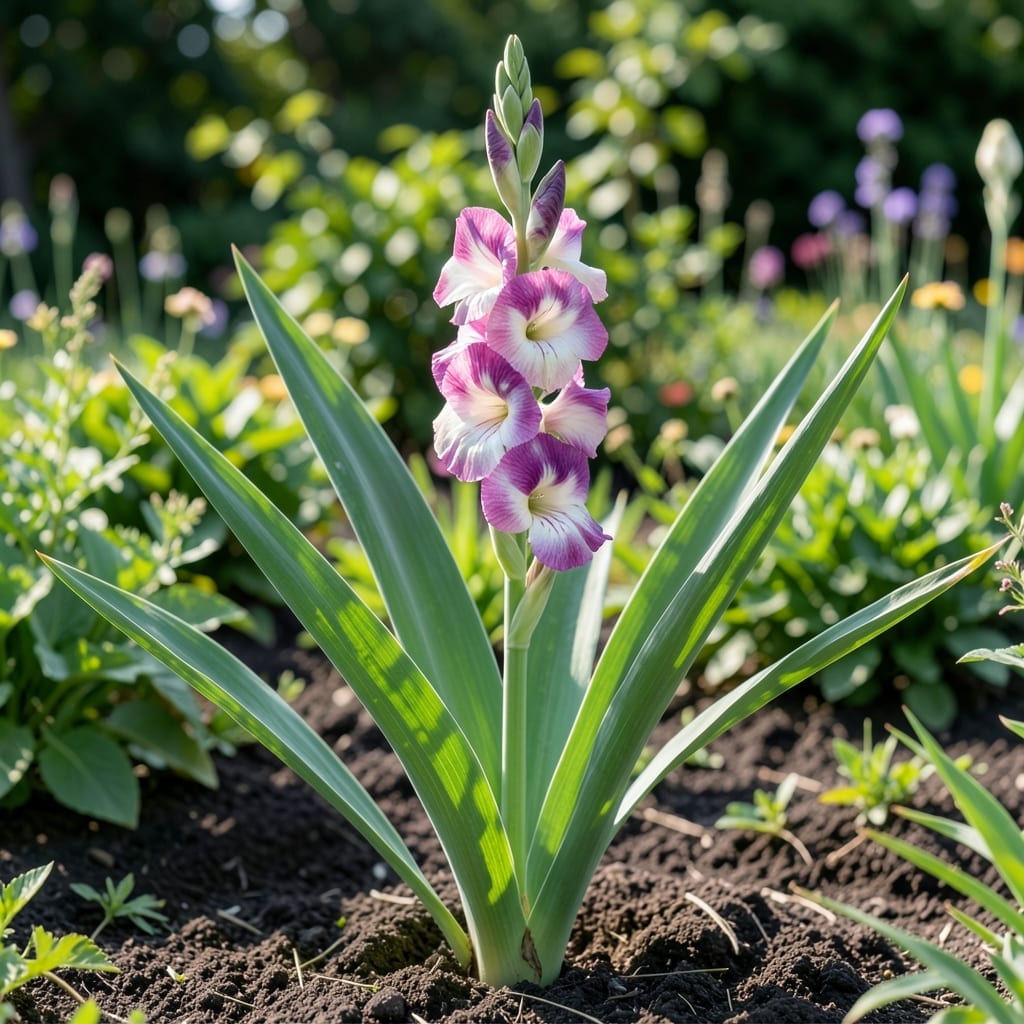
Gladioli bring stunning vertical color to gardens, but their blooming period depends heavily on variety and planting time. I’ve found that knowing when to expect those iconic spikes of 🌸 Gladiolus flowers helps gardeners plan for continuous summer beauty.
From early to late-season types, the timing can vary. Planting in spring often leads to those spectacular blooms that brighten up the landscape just when you need them most.
Let me walk you through the seasonal blooming timeline so you can time your garden for maximum impact. Understanding these patterns is the key to enjoying their vibrant display all season long.
If you’re wondering when gladioli flower, the answer depends on the variety. I’ve seen early-season types bloom as soon as 60-70 days after planting, while late-season varieties may take up to 100-120 days. This makes them perfect for staggered plantings.
Climate plays a huge role too. In warmer zones (7-10), gladioli often start blooming in early summer, while cooler areas (3-6) typically see flowers in mid-to-late summer. The key is knowing your USDA hardiness zone and choosing accordingly.
| Variety Type | Bloom Time After Planting | Typical Season |
|---|---|---|
| Early Season | 60-70 days | Early Summer |
| Mid-Season | 70-85 days | Mid-Summer |
| Late Season | 90-120 days | Late Summer |
| Hardiness Zones | 3-10 | Varies by Climate |
For continuous blooms, I recommend planting early, mid, and late varieties in succession. This way, you’ll have gladiolus flowers from early summer through the first frost. It’s a simple trick that keeps your garden vibrant for months.
In my experience, Northern gardeners should start corms indoors 4-6 weeks before the last frost. This gives them a head start. Southern gardeners can plant directly in the ground as soon as the soil warms to 60°F.
Don’t forget that soil temperature is crucial. Gladioli corms won’t sprout in cold soil, so waiting until it’s consistently warm ensures better results. I’ve learned this the hard way after a few late spring plantings that struggled to take off.
Another factor is corm size. Larger corms (1-1.5 inches in diameter) tend to produce earlier blooms and more flowers per spike. If you’re aiming for quick results, invest in high-quality, jumbo corms from reputable suppliers.
For the best display, plant your gladioli in full sun with well-draining soil. They thrive with at least 6-8 hours of direct sunlight daily. In my garden, the sunniest spots always produce the most vibrant blooms.
Finally, remember that watering consistently during the growing season helps ensure strong stems and healthy blooms. I water mine deeply once a week, more often during dry spells. This keeps them happy and blooming on schedule 🌸
By understanding these variety differences and climate factors, you can time your plantings for non-stop color all summer long. It’s one of the most rewarding parts of growing gladioli ✂️
To keep your garden vibrant, I’ve found that staggered planting is key for continuous gladiolus blooms. By planting early, mid, and late varieties every 2-3 weeks, you can enjoy flowers from summer through fall.
Another trick is to choose different corm sizes. Larger corms bloom earlier and produce more flowers, while smaller ones take longer but extend the season. This simple strategy keeps my garden in color for months.
I also recommend deadheading spent blooms regularly. This prevents the plant from wasting energy on seed production and encourages more flower spikes to develop. It’s a small task that makes a big difference.
For Northern gardeners, starting corms indoors 4-6 weeks before the last frost gives a head start. In warmer climates, direct planting works well as soon as soil reaches 60°F.
Fertilizing properly is another way to extend blooming. I use a balanced fertilizer every 4-6 weeks during the growing season. This feeds the plants without overstimulating foliage at the expense of flowers.
Finally, proper spacing ensures good air circulation, reducing disease risk. I plant corms 6 inches apart in well-draining soil with full sun exposure. This setup keeps my gladioli thriving and blooming longer ✂️