
Beautiful Plants For Your Interior
Beautiful Plants For Your Interior
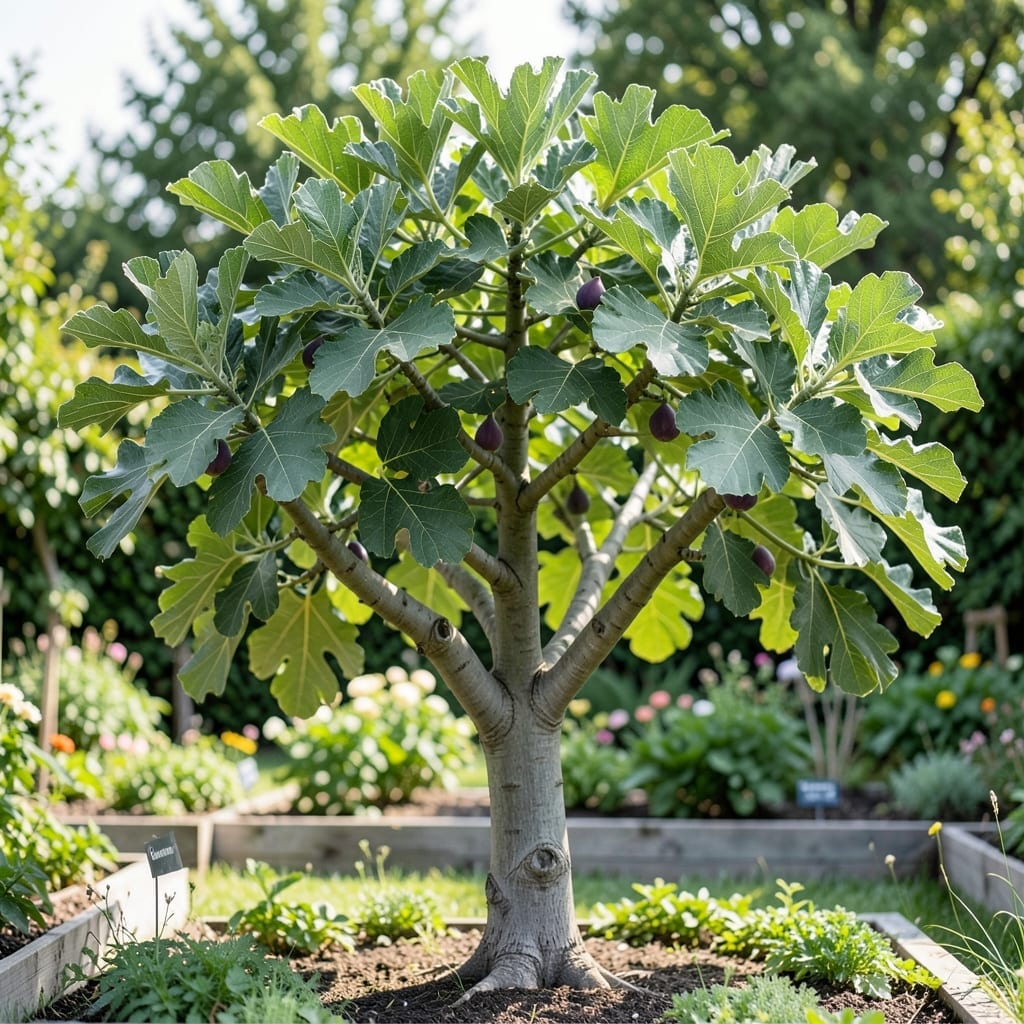
There’s something magical about watching a 🌳 Fig Tree come to life each season. As a gardener, I know the anticipation of waiting for those first signs of blooms can be both exciting and confusing.
Timing varies by variety and climate, but early spring often brings the first hints. Understanding this cycle helps you provide the best care for your tree.
Discover the seasonal timeline and learn how to encourage healthy blooms. Let’s make this growing season your most successful yet.
As a gardener, I’ve learned that fig tree blooming varies significantly by variety. Some, like Brown Turkey, bloom in early spring, while others may wait until late spring or even early summer. 🌳
Climate plays a huge role, too. In warmer zones, blooms may appear weeks earlier than in cooler regions. Understanding your tree’s specific needs helps you time your care just right.
| Variety | Blooming Period | Climate Notes |
|---|---|---|
| Brown Turkey | Early Spring | Thrives in zones 7-10 |
| Mission | Mid-Spring | Prefers mild winters |
| Chicago Hardy | Late Spring | Cold-hardy to zone 5 |
| Celeste | Early Summer | Needs hot summers |
I always recommend checking your USDA zone to predict blooming time. For example, Chicago Hardy figs bloom later in cooler climates but still produce reliably. 🌿
In my experience, Mission figs are perfect for Mediterranean climates. They bloom mid-spring and thrive with consistent warmth and full sun exposure.
Celeste figs are a favorite in the Deep South. Their early summer blooms coincide with long, hot days, making them ideal for warm regions.
For gardeners in cooler areas, Brown Turkey is a top pick. It blooms early and handles mild frost better than most varieties. Just ensure it gets 6+ hours of sun daily. ☀️
I’ve noticed that container-grown figs may bloom slightly later. The root restriction can delay growth, but they still follow the same seasonal patterns as in-ground trees.
To encourage healthy blooms, I focus on proper pruning in late winter. This removes dead wood and allows the tree to direct energy toward new growth and blooms. ✂️
Remember, fig trees produce two crops in some regions: the breba crop (early blooms) and the main crop (summer). The timing of these can vary, so keep an eye on your tree’s progress.
I’ve found that temperature and daylight hours are the biggest factors in when fig trees bloom. Warmer climates often see earlier blooms, sometimes by 2-4 weeks. 🌳
Geographic location also shifts the timeline. A fig tree in California may bloom in March, while one in New York might wait until May or June. ☀️
In my garden, I track local frost dates to predict blooming. Fig trees won’t bloom until all frost risk has passed, so timing varies by USDA zone. 🌿
For cooler zones, I recommend Chicago Hardy figs. They handle late frosts better and bloom reliably even in zone 5. Just plant them in full sun for best results.
Container figs can bloom earlier if kept in warmer microclimates. I’ve had success moving pots to sunny patios in early spring to jumpstart growth.
If your tree isn’t blooming, check for light or water stress. Fig trees need consistent moisture and 6+ hours of sun to set blooms properly. ✂️