
Beautiful Plants For Your Interior
Beautiful Plants For Your Interior
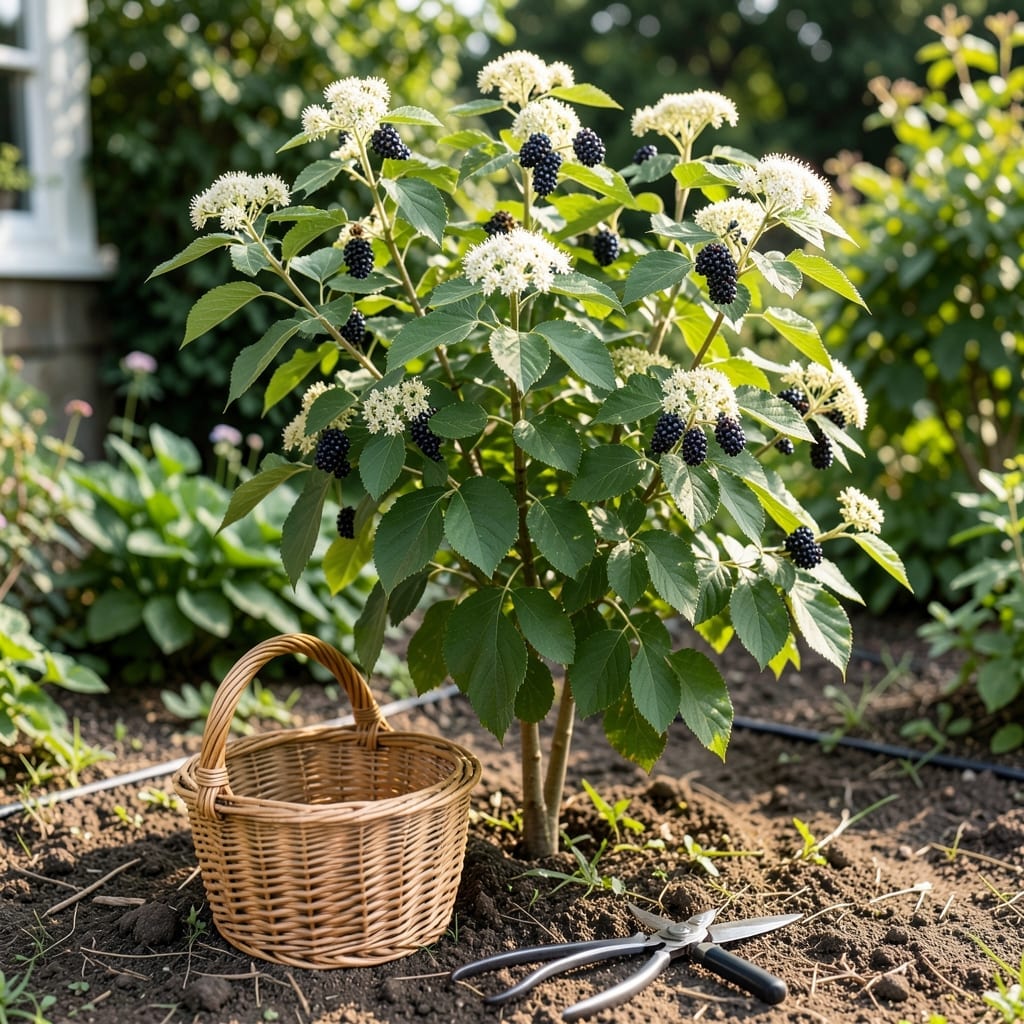
Knowing exactly when elderberries ripen ensures a bountiful harvest and avoids the pitfalls of picking unripe or overripe fruit. For gardeners, timing is everything.
The 🌿 Elderberry typically ripens from August to September, but this can vary slightly depending on your location and growing conditions. Watching for the right signs is key to success.
I’ll help you identify the visual and tactile cues that signal readiness. Whether you’re growing in zones 4-9 or just starting out, these tips will guide you to the perfect harvest window.
Discover how to pick elderberries at their peak and why getting it right matters for flavor and future yields. Let’s get started.


If you’re growing elderberries, knowing their ripening timeline is key to a successful harvest. The timing varies by variety and climate zone, but most follow a predictable pattern from summer to early fall.
In USDA zones 4-9, elderberries typically ripen between August and September. However, American elderberries often mature earlier than European varieties, which may need extra warmth.
| Variety | Climate Zone | Ripening Time | Notes |
|---|---|---|---|
| American Elderberry | Zones 4-7 | Mid-August | Early producer, cold-hardy |
| European Elderberry | Zones 5-9 | Late August | Needs longer growing season |
| Blue Elderberry | Zones 7-9 | Early September | Drought-tolerant, late ripener |
| Red Elderberry | Zones 4-6 | Late July | Fastest ripening variety |
Warmer climates tend to see earlier ripening, while cooler areas may experience a delayed harvest. I’ve noticed that elderberries in full sun often ripen 1-2 weeks faster than those in partial shade.
For American elderberries, expect clusters to fully ripen about 150 days after flowering. This variety thrives in moist, well-drained soil and benefits from consistent watering during fruit development.
In cooler zones, like Zone 4, elderberries may need the full 180-day growing season to mature. Gardeners here should monitor frost dates closely to avoid early cold snaps damaging the crop.
European elderberries prefer milder winters and often produce larger clusters. They typically ripen in late August to early September, making them ideal for Zone 5-9 gardeners.
If you’re growing blue elderberries, patience is key. These late ripeners often need until early September to reach peak sweetness, especially in drier climates.
For the fastest harvest, red elderberries are your best bet. They can ripen as early as late July in optimal conditions, though their flavor is often tart compared to darker varieties.
No matter the variety, consistent moisture and proper sunlight are crucial for timely ripening. I always recommend mulching to retain soil moisture during the critical fruit development stage.
Keep an eye on daily temperatures too. Elderberries ripen fastest when daytime temps stay between 70-85°F, with cooler nights helping develop their signature rich color.
Timing your elderberry harvest perfectly ensures the best flavor and yield. I always watch for visual cues like deep purple-black color and drooping clusters, which signal peak ripeness.
Another key sign is berry texture—they should feel slightly soft when gently pressed. Hard berries mean they’re not ready, while mushy ones may be overripe.
I avoid harvesting if the clusters stand upright, as this often means the berries are underripe. Green or red berries are a clear sign to wait a few more days.
Early morning is the best time to check for ripeness. The cool temperatures help preserve the berries’ quality while you inspect them. I bring a small basket to collect a few for testing.
Remember, elderberries ripen unevenly. I often return to the same shrub over several days to harvest fully ripe clusters while leaving others to mature.
If you’re unsure, taste a single berry—ripe ones are sweet with a slight tartness. Unripe berries taste bitter and can be toxic, so always confirm ripeness first.
Consistent moisture levels in the soil help elderberries ripen uniformly. I water deeply once a week unless rain provides enough hydration.