
Beautiful Plants For Your Interior
Beautiful Plants For Your Interior
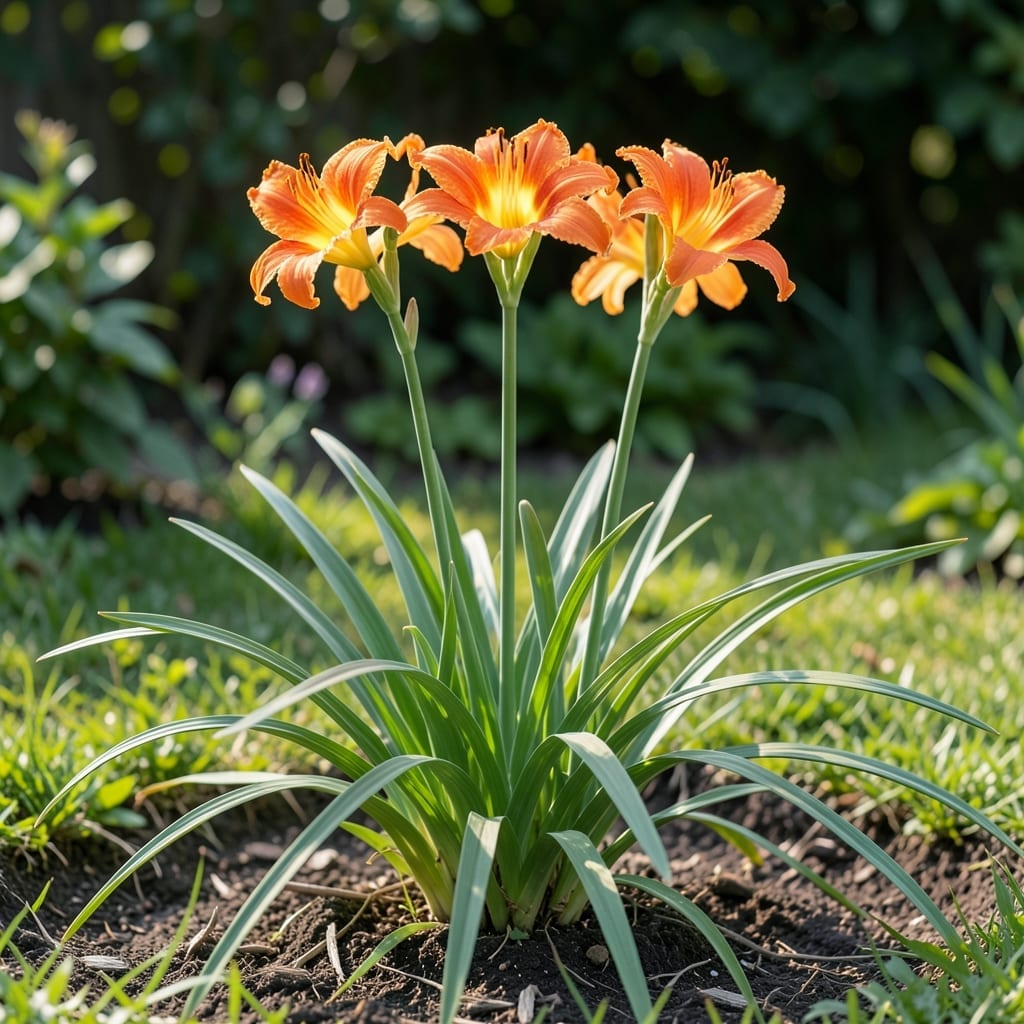
There’s nothing quite like watching the 🌸 Daylily light up your garden with its vibrant colors. But as the seasons change, you might wonder when those beautiful blooms will fade.
Understanding their blooming cycle helps you care for them better. Different varieties and climates play a big role in how long they flower.
I’ve learned that with the right approach, you can even extend their blooming period. It’s all about knowing what to look for and when to act.
Discover the signs that signal the end of their blooming season and how to keep your Daylilies thriving year after year.
If you’re growing daylilies, you’ll notice their blooming cycle varies by type. Early varieties often start flowering in late spring and wrap up by early summer. This timing depends on your climate zone and local conditions.
Mid-season daylilies peak in summer, while late varieties can bloom into early fall. Some reblooming types even produce a second flush of flowers later in the season.
| Variety | Blooming Window | Climate Notes |
|---|---|---|
| Early | Late Spring to Early Summer | Zones 3-6 peak in June |
| Mid-Season | Summer | Zones 5-8 peak in July |
| Late | Late Summer to Early Fall | Zones 7-9 peak in August |
| Reblooming | Spring + Late Summer | Needs deadheading for second flush |
Reblooming daylilies are a gardener’s delight. With proper care, they can produce two or three rounds of blooms in a single season. I’ve seen this happen most reliably in warmer zones with consistent care.
In cooler climates, even reblooming varieties may only flower once. The key is healthy plants and optimal growing conditions. Full sun and well-draining soil make a big difference.
Drought stress can shorten blooming periods. I always recommend regular watering during dry spells to maintain flower production. A mulch layer helps retain moisture too.
For northern gardens, early varieties finish blooming by mid-summer. In the south, late varieties might keep flowering into September. Your local USDA zone is the best guide.
I’ve found that dividing clumps every 3-4 years keeps plants vigorous and blooming longer. This prevents overcrowding, which can reduce flower production over time.
Fertilizing in early spring gives daylilies a strong start. I use a balanced 10-10-10 formula and apply it before new growth appears. This supports maximum bloom potential.
Remember that individual flowers typically last just one day, but the flowering scapes produce multiple buds that open sequentially. This is why a healthy clump can bloom for weeks at a time.
By understanding your variety’s natural cycle and providing good care, you can enjoy daylily blooms for as long as possible each season ☀️
I’ve found that with the right care, you can significantly extend your daylilies’ blooming period. Each flower typically lasts just one day, but the plant produces many buds in succession.
To maximize blooms, focus on deadheading spent flowers daily. This prevents the plant from wasting energy on seed production and encourages more blooms.
Proper watering is crucial—aim for 1-2 inches per week, preferably in the morning. This keeps the soil consistently moist but not waterlogged, which daylilies hate.
A monthly balanced fertilizer like 10-10-10 helps sustain blooming. I apply it in early spring and then lightly every 4-6 weeks through summer.
Don’t overlook division. Every 3-4 years, dig up and divide crowded clumps. This rejuvenates the plants and often results in more blooms the following season.
Finally, ensure they get full sun. Daylilies in shady spots produce fewer blooms. In my garden, the ones in 6+ hours of sunlight always outperform the rest.
With these steps, my daylilies often bloom 2-3 weeks longer than untreated plants. ✂️