
Beautiful Plants For Your Interior
Beautiful Plants For Your Interior
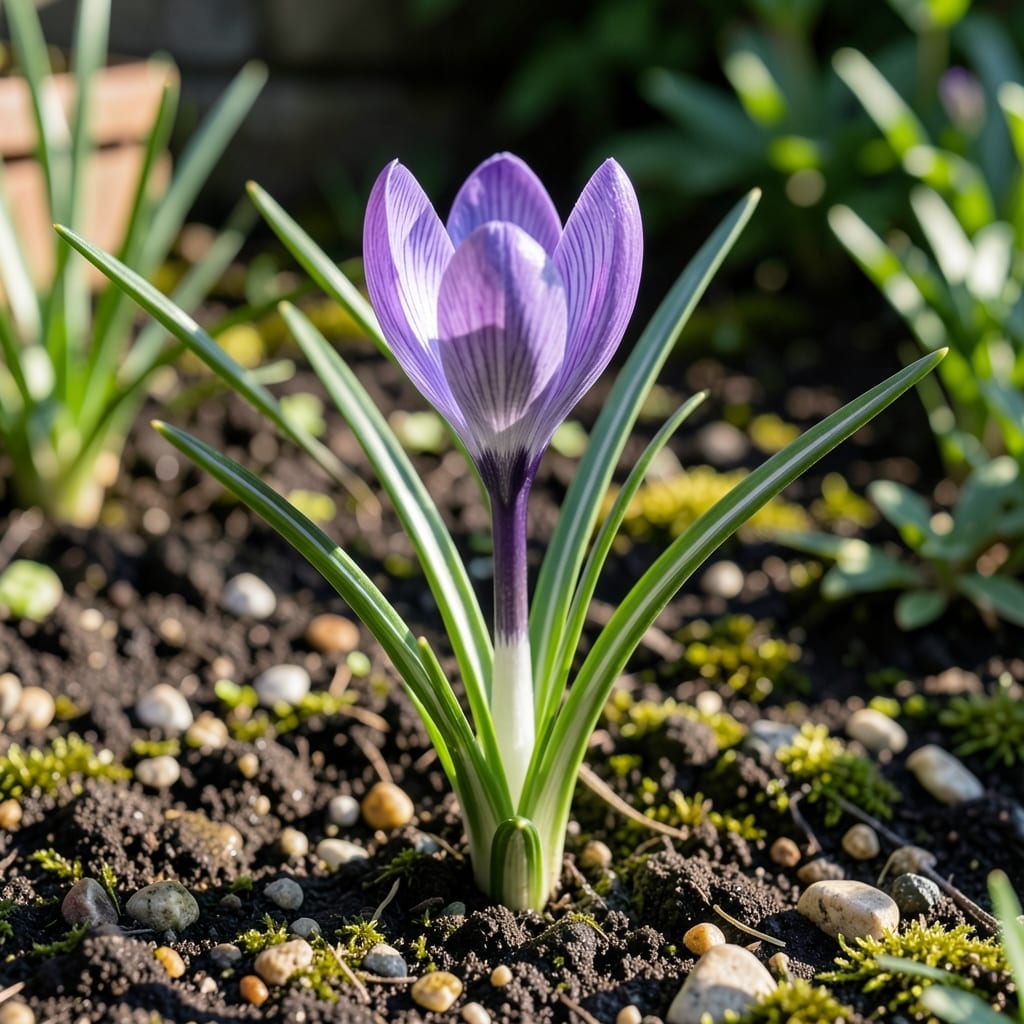
There’s something magical about seeing the first Crocus 🌷 push through the cold earth, signaling that spring is on its way. These hardy flowers often appear when you least expect them, bringing a burst of color to dull winter landscapes.
As a gardener, knowing their blooming timeline helps you plan and appreciate their beauty even more. The timing can vary, but there’s a pattern to when these resilient plants decide to shine.
Discover the seasonal secrets behind Crocus flowers and how to make the most of their early arrival in your garden.
I’ve always loved how crocus flowers seem to defy winter, popping up through snow or frost. These early spring bloomers typically appear between late February and April, depending on your climate zone and local weather conditions.
In warmer regions, you might see them as early as January, while colder areas may not enjoy their colors until March or April. Their timing is tied to soil temperature, not air temperature, which makes them remarkably consistent year after year.
| Variety | Blooming Season | Notes |
|---|---|---|
| Crocus vernus | Early Spring | Classic purple, white, or striped blooms |
| Crocus sativus | Fall | Saffron crocus, blooms in autumn |
| Crocus tommasinianus | Late Winter | Early bloomer, lavender-pink flowers |
| Crocus chrysanthus | Early Spring | Golden-yellow varieties, compact size |
For gardeners in USDA zones 3-8, crocus bulbs planted in fall will naturally synchronize with the soil’s warming in late winter. This is why they’re such reliable heralds of spring, often blooming before trees leaf out.
If you’re in a milder climate, like the Pacific Northwest, you might see crocus as early as December or January. In contrast, gardeners in colder zones like Minnesota or Vermont can expect blooms closer to March or April. 🌷
There are also fall-blooming crocus varieties, such as Crocus sativus (saffron crocus), which produce flowers in September or October. These are less common but equally delightful for extending your garden’s color season.
To maximize their impact, I recommend planting crocus bulbs in clusters rather than single rows. This creates a carpet of color that’s visible even from a distance. They’re perfect for rock gardens, borders, or naturalizing in lawns.
The soil temperature needs to reach about 40-50°F for crocus to emerge. This is why they often appear during thaws or after a period of warmer weather, even if nighttime temperatures dip below freezing again.
Another fascinating aspect is their light requirement. Crocus thrive in full sun to partial shade, but they’ll bloom earlier in sunnier spots. If your garden has shady areas, expect the flowers to appear a week or two later than in open, sunny locations.
Finally, remember that crocus bulbs are perennials, meaning they’ll return year after year with minimal care. Once established, they’ll naturalize and multiply, giving you more blooms each spring. 🌿
If you want to see crocus flowers earlier and in greater numbers, proper planting is key. I always plant my bulbs 4-6 weeks before the ground freezes, typically in September or October, to give them time to establish roots.
For the best results, choose a location with well-draining soil and full sun to partial shade. Crocus bulbs should be planted 2-3 inches deep and spaced 2-3 inches apart for a natural look. 🌱
A common mistake is planting too late in the season. If bulbs don’t have time to root before winter, they may not bloom the following spring. I’ve learned that early fall planting gives the best results.
Soil conditions matter too. Crocus prefer sandy or loamy soil that doesn’t retain water. If your soil is heavy clay, consider amending it with compost or sand for better drainage. 🌿
For extra early blooms, try planting crocus in southern-facing beds where the soil warms up fastest. I’ve noticed these spots can produce flowers 1-2 weeks earlier than shadier areas.
Finally, remember that crocus are low-maintenance plants. Once established, they’ll return year after year with minimal care. Just let the foliage die back naturally after blooming to nourish next year’s flowers. ☀️