
Beautiful Plants For Your Interior
Beautiful Plants For Your Interior
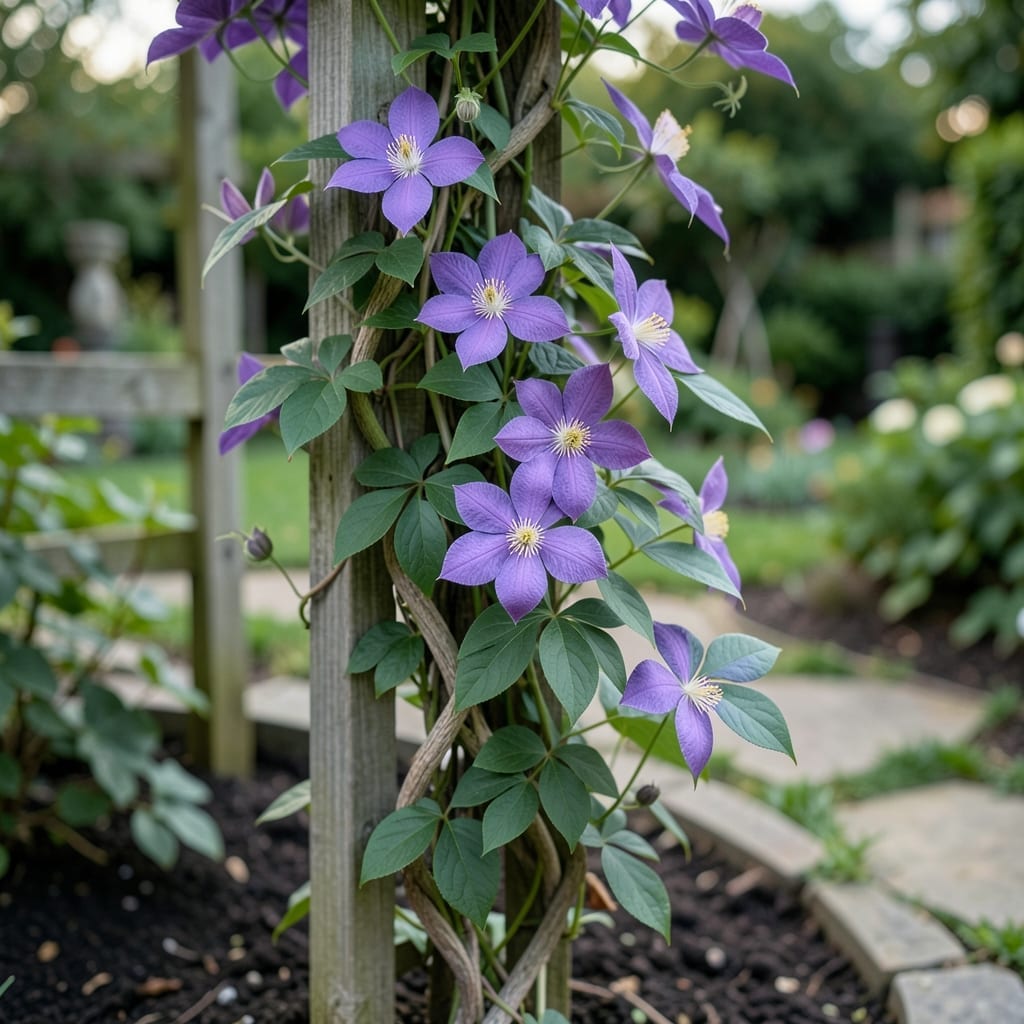
Watching your Clematis 🌸 burst into bloom is one of gardening’s most magical moments, but timing varies wildly by variety. Some gardeners wait months for their first flowers, not realizing the blooming window depends entirely on the type they’ve planted.
I’ve seen early varieties explode with color in spring, while others hold their spectacular display until late summer. The difference comes down to understanding your plant’s group and seasonal habits.
Let me walk you through exactly when different Clematis types flower and how to plan your garden for months of stunning blooms. You’ll be amazed at how simple it is to extend the show.
Understanding Clematis blooming groups is key to predicting when your vines will flower. These groups are based on pruning needs and flowering habits, making them essential for garden planning.
Group 1 Clematis, like Clematis alpina and C. montana, bloom in early spring on old wood. They don’t need pruning, just a light trim after flowering to keep them tidy.
| Group | Blooming Period | Pruning Time | Example Cultivars |
|---|---|---|---|
| 1 | Early Spring | After flowering | Alpina, Montana |
| 2 | Late Spring to Early Summer | Late winter/early spring | Nelly Moser, Henryii |
| 3 | Mid to Late Summer | Late winter/early spring | Jackmanii, Viticella |
Group 2 Clematis, including Nelly Moser and Henryii, flower in late spring to early summer on old wood, with a second flush on new growth. Prune lightly in late winter to remove dead wood.
For Group 3 Clematis, like Jackmanii and Viticella, expect blooms from mid to late summer on new wood. These are the easiest to prune—cut them back hard in late winter.
I’ve found that Group 3 varieties are the most forgiving for beginners. They bloom later but reward you with prolific flowers if pruned correctly. Their blooming period can stretch into early fall with the right care.
If you want continuous color, mix groups in your garden. I plant Group 1 for early spring, Group 2 for late spring, and Group 3 for summer. This way, I enjoy Clematis blooms from March through September.
Remember that young Clematis may take 2-3 years to establish and bloom fully. Patience is key, but the wait is worth it when your trellis explodes with color.
For the longest display, choose repeat-blooming varieties like ‘Ernest Markham’ or ‘Perle d’Azur’. These can flower twice in a season, giving you more bang for your gardening buck.
Finally, always check the specific cultivar when buying Clematis. Some modern hybrids don’t fit neatly into these groups but still offer stunning blooms with unique timing. 🌿
While Clematis groups give us a general blooming timeline, several key factors can shift when your vines actually produce flowers. I’ve seen the same variety bloom weeks earlier in different gardens.
Climate plays a huge role—warmer zones often see earlier blooms, while cooler areas may experience delayed flowering. A Clematis in Zone 7 might burst into color in April, while the same plant in Zone 4 waits until June.
Sunlight exposure is another critical factor. Most Clematis need at least 6 hours of sun daily, but in hot climates, they appreciate afternoon shade to prevent flower scorching.
Pruning habits directly impact blooming. Cutting back Group 1 Clematis in spring removes flower buds, while proper pruning of Group 3 encourages more blooms on new growth.
The age of your plant matters too. Newly planted Clematis often focus on root establishment first. I tell gardeners to be patient—year two usually brings the first real flower show.
Finally, soil conditions affect blooming. Well-draining, fertile soil with consistent moisture helps your Clematis reach its full flowering potential. I always mix in compost at planting time for best results. 🌱