
Beautiful Plants For Your Interior
Beautiful Plants For Your Interior
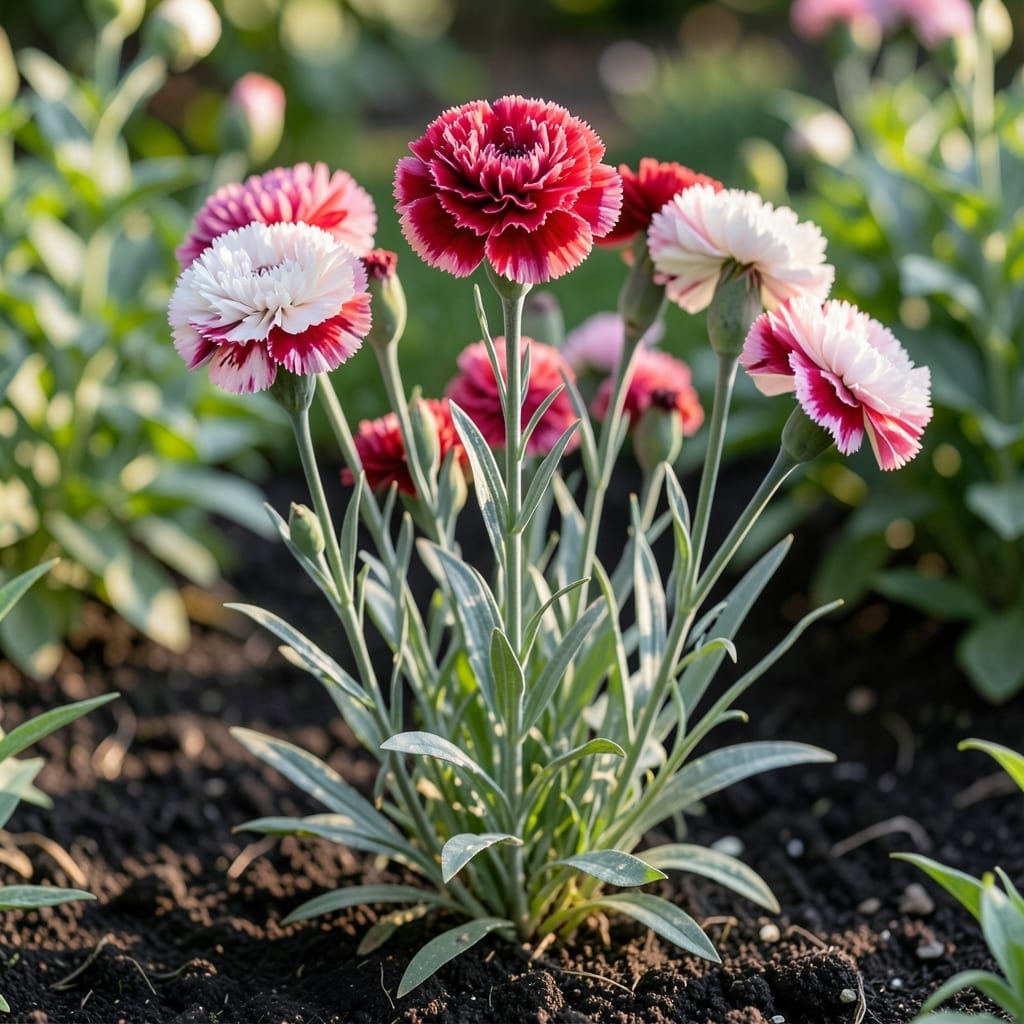
Carnations are beloved for their vibrant colors and long-lasting blooms, but knowing exactly when they flower can help you plan your garden perfectly. The 🌼 Carnation typically graces us with its beauty during the warmer months.
I’ve found that understanding their natural rhythm makes all the difference in enjoying their full potential. Whether you’re growing them for cutting or garden display, timing is everything.
Discover the key factors that influence when these beautiful flowers will burst into color and how to make the most of their blooming season.
If you’re wondering when carnations bloom, the answer depends on the variety and your climate. Most perennial carnations flower from late spring through early summer, with some reblooming in fall.
Annual carnations typically bloom 60-90 days after planting, often from June to August. In warmer zones, they may start earlier and last longer with proper care.
Carnation Blooming By Variety
| Variety | Blooming Season | Duration |
|---|---|---|
| Perennial | Late Spring – Early Summer | 4-6 weeks |
| Annual | Summer | 8-12 weeks |
| Biennial | Second Year Spring | 6-8 weeks |
I’ve noticed that USDA zones 6-9 often see the longest blooming periods. In these areas, carnations may produce multiple flushes of flowers if properly maintained.
Climate plays a huge role in bloom timing. Cooler spring temperatures can delay flowering by several weeks, while warm weather accelerates the process.
For the best results, I recommend planting in full sun and ensuring well-draining soil. This combination often leads to earlier and more abundant blooms.
Cut flower growers should note that greenhouse-grown carnations can bloom year-round under controlled conditions. This is why you might see them available at florists in winter.
In my experience, deadheading spent blooms can encourage a second wave of flowers, especially in perennial varieties. This simple practice can extend your carnation season significantly.
Remember that container-grown carnations may bloom slightly earlier than those in the ground. The warmer root zone in pots often speeds up the flowering process.
Finally, if you’re in a cold climate, consider starting seeds indoors 6-8 weeks before the last frost date to get a head start on the blooming season. 🌼
Several environmental factors determine when carnations bloom. Sunlight is crucial—these flowers need 6+ hours of direct sun daily for optimal flowering.
Temperature also plays a key role. Cool nights (below 50°F) can delay blooming, while warm days (70-80°F) speed it up. I’ve seen this firsthand in my garden.
Top Factors Affecting Bloom Time
Watering habits impact blooming too. Overwatering can lead to root rot, while underwatering stresses the plant. I aim for 1-2 inches of water weekly.
Soil quality matters more than many realize. Well-draining soil with a pH of 6.7-7.5 helps carnations thrive. I always amend my soil with compost before planting.
Pruning and deadheading are game-changers. Removing spent blooms redirects energy to new growth, often leading to a second flush of flowers. I do this weekly during peak season.
Finally, fertilizing with a high-phosphorus feed every 4-6 weeks gives carnations the boost they need. I’ve found this extends the blooming period significantly. 🌼