
Beautiful Plants For Your Interior
Beautiful Plants For Your Interior
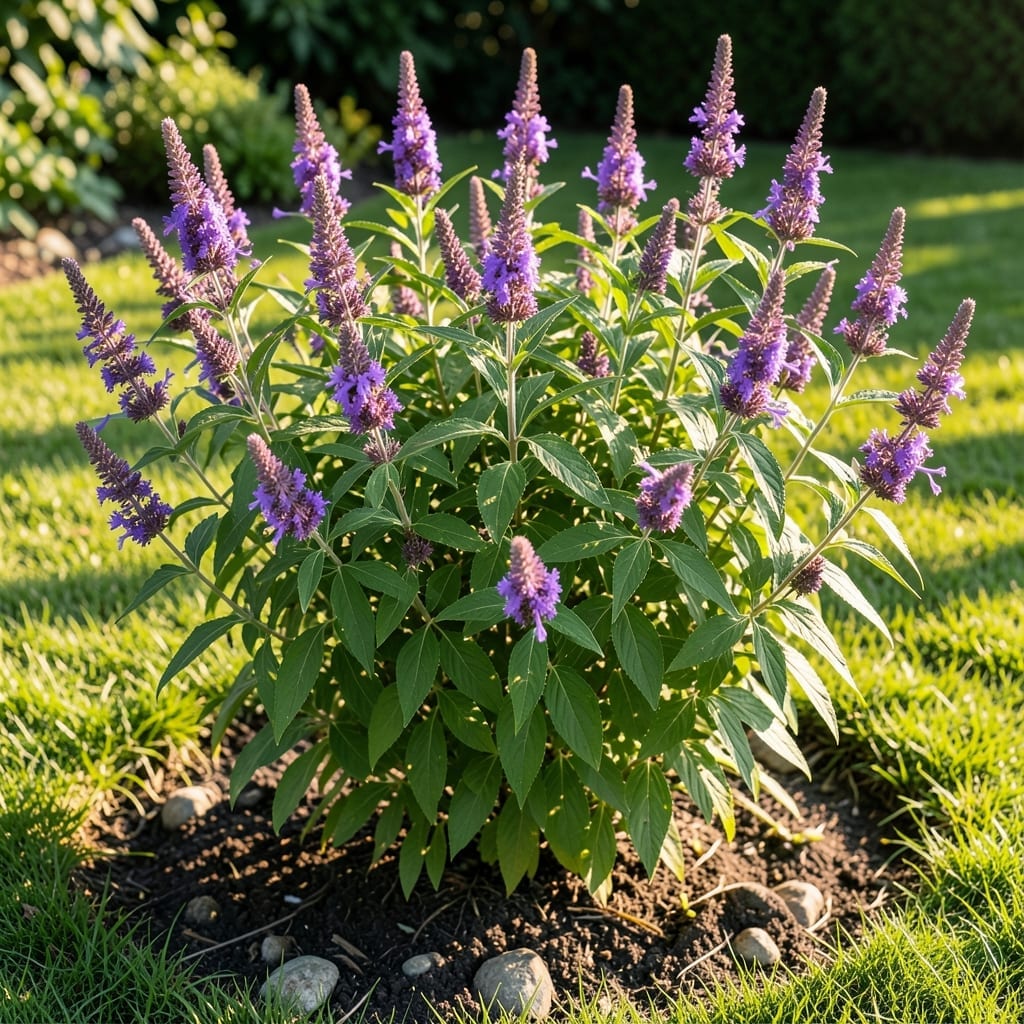
Watching your Butterfly Bush 🦋 burst into vibrant blooms is one of gardening’s great joys. But when should you expect those first buds to appear? The timing varies, but there are clear patterns to follow.
In most regions, you’ll see the early signs of life as spring takes hold. The key is understanding how your local climate and care routine influence this natural process.
I’ve learned that these plants typically respond to warming temperatures and longer daylight hours. For gardeners in zones 5-9, this means a predictable window you can plan around.
Let me walk you through what to expect and how to encourage healthy budding in your own garden. The right knowledge makes all the difference in enjoying those beautiful, butterfly-attracting flowers.
If you’re wondering when butterfly bushes start to bud, the answer depends heavily on your USDA hardiness zone. These beautiful shrubs typically begin showing buds in late spring to early summer, but the exact timing varies by region.
In warmer zones like 8-9, you might see buds as early as April or May. Cooler zones like 5-6 usually experience budding in June or July, once the soil has warmed sufficiently.
| USDA Zone | Budding Start | Peak Blooming |
|---|---|---|
| 5-6 | Late May – Early June | July – August |
| 7 | Mid-May | June – September |
| 8-9 | April – Early May | May – October |
I’ve noticed that early blooming varieties like ‘White Profusion’ or ‘Buzz Magenta’ often start budding 2-3 weeks earlier than standard types. These are great choices if you’re eager to see those first colorful spikes.
In my experience, local weather patterns can shift the timeline. A mild winter followed by a warm spring often accelerates budding, while a late frost can delay it by several weeks.
For gardeners in zone 5, it’s important to remember that butterfly bushes are perennial in zones 5-9, but they may die back to the ground in winter. New growth (and buds) will emerge from the root system in spring.
If you’re in a borderline zone, like the transition between 5 and 6, consider planting your butterfly bush in a microclimate—a sunny spot near a south-facing wall can provide extra warmth to encourage earlier budding.
The first signs of budding are often small, rounded bumps along the stems. These will gradually elongate and form the characteristic cone-shaped flower spikes that butterflies love.
Remember that consistent moisture during the budding phase helps ensure healthy blooms. I recommend checking soil moisture weekly and watering deeply when the top 1-2 inches of soil feel dry.
Finally, if you’re eager to see buds sooner, consider starting with a mature plant from a nursery. These often begin budding earlier than those grown from seed or young cuttings.
With proper care and attention to your local climate, you’ll be rewarded with vibrant blooms that attract pollinators all season long. 🌿
I often get asked what makes a butterfly bush start budding earlier or later. The truth is, several factors play a role in when you’ll see those first flower buds appear on your Buddleia. Climate is the biggest influencer, but your care routine matters too.
In my experience, sunlight exposure tops the list. These shrubs thrive with 6+ hours of direct sun daily. Less light often means delayed budding or fewer blooms. Then there’s pruning – doing it at the right time can encourage earlier flowering.
I’ve noticed that soil quality makes a surprising difference. Butterfly bushes in poor, compacted soil often struggle to bud on time. Amending with compost before planting gives them a head start. Also, watering habits affect the timeline – deep, infrequent watering works better than daily light sprinkles.
Don’t overlook fertilizer timing either. I start feeding my bushes in early spring with a 10-10-10 balanced fertilizer. This gives them the nutrients they need to produce buds. But remember, too much fertilizer can lead to leafy growth at the expense of flowers.
One often-missed factor is plant age. Younger bushes may take longer to bud than mature plants. In my garden, first-year bushes often bloom later than established ones. Patience is key with these beautiful shrubs.
Finally, watch for pest issues like aphids or spider mites. These can stress the plant and delay budding. Regular inspections and organic treatments when needed keep my bushes on track for timely blooms. ✂️
I always tell gardeners to track their local frost dates. In colder zones, budding starts later, while warmer areas see earlier blooms. This natural rhythm is something we can work with, not against. 🌱