
Beautiful Plants For Your Interior
Beautiful Plants For Your Interior
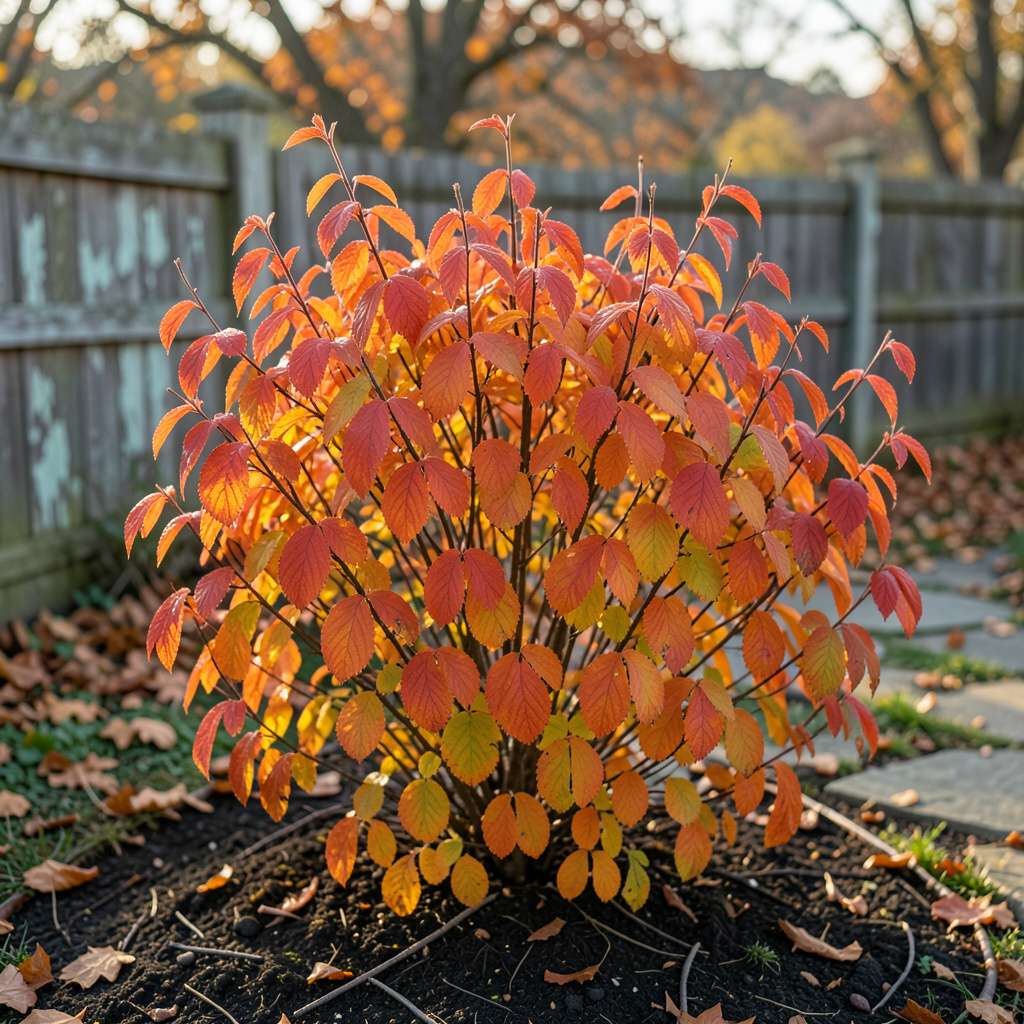
Burning bushes typically turn vibrant red in early to mid-fall, usually between late September and October. The exact timing depends on climate, daylight changes, and the plant’s maturity, with cooler temperatures accelerating the color shift.
I’ve noticed that these shrubs respond dramatically to their environment—cold snaps can trigger an almost overnight transformation. 🌿 The color change isn’t just about the calendar; it’s a complex dance between shorter days and the plant’s internal chemistry. In my experience, bushes in full sun develop deeper reds than those in partial shade, and well-established plants often change color more uniformly than younger ones. This natural process makes fall landscaping particularly exciting for gardeners who love seasonal drama.
💡 In This Article
The fiery red transformation begins when chlorophyll—the green pigment responsible for photosynthesis—starts breaking down as daylight hours shorten. Inside the leaves, enzymes begin dismantling chlorophyll molecules to conserve energy for winter. This breakdown reveals hidden pigments: yellow and orange carotenoids that were always present but masked by green.
The real magic happens when anthocyanins (red pigments) start producing in response to bright light and cool nights.
Temperature plays a starring role in this color show. When nighttime temperatures drop below 45°F while days remain sunny, anthocyanin production kicks into high gear. I’ve observed bushes in northern climates turn crimson weeks earlier than their southern counterparts because of this temperature trigger.
The ideal color-developing conditions occur when days are 60-70°F and nights dip into the 40s°F—this temperature swing maximizes pigment production while allowing leaves to remain on the plant longer.
Sunlight intensity during this period creates dramatic differences in color vibrancy. Leaves receiving 6+ hours of direct sunlight daily develop the deepest reds, while shaded areas often appear more muted. This happens because sunlight triggers the plant’s stress response, increasing anthocyanin production as a protective mechanism.
In my garden journals, I’ve noted that bushes on southern exposures consistently outperform those on northern sides by developing color 7-10 days earlier and maintaining it 2-3 weeks longer.
Drought stress can actually enhance red coloration, though it’s a delicate balance. When water becomes limited in late summer, the plant produces more anthocyanins as a protective response. However, severe drought causes premature leaf drop. The sweet spot is moderate stress—enough to trigger pigment production but not so much that it compromises leaf health.
I’ve found that reducing watering by 30-40% in late August creates the most spectacular displays without damaging the plant.
Soil pH influences the color palette too. Burning bushes in slightly acidic soil (pH 6.0-6.5) tend to produce the most vibrant reds, while alkaline soils can mute the colors. This is because anthocyanin pigments are pH-sensitive—they appear brightest in acidic environments.
Adding a thin layer of pine mulch in spring can gradually lower soil pH to the optimal range for maximum color impact. The transformation isn’t just about autumn arriving; it’s about these precise environmental triggers aligning perfectly.
What’s fascinating is how the plant’s age affects the process. Mature bushes (5+ years old) typically show more uniform color changes because their extensive root systems can better regulate water uptake during the critical color-developing period. Younger plants often display patchy coloration as different branches respond to environmental cues at slightly different rates.
This is why landscape designers often recommend using established specimens for reliable fall displays.
Several factors influence timing differences. Bushes in full sun often change 7-10 days earlier than shaded ones. Northern exposures may lag behind southern ones by 2-3 weeks. Age matters too—mature plants (5+ years) typically transform more uniformly than young ones.
You can encourage earlier color change by reducing watering by 30-40% in late August and ensuring full sun exposure. Avoid late-season fertilizing after August 1, as this promotes green growth. Cooler microclimates (like near water features) may delay the process, while heat-reflecting surfaces can accelerate it.
The vibrant red typically lasts 4-6 weeks, depending on weather. Hard frosts will cause leaves to drop suddenly, while mild autumns may extend the display. Southern exposures often maintain color 1-2 weeks longer than northern ones. Proper care (like avoiding overwatering) helps maximize the duration.
Orange hues usually indicate less anthocyanin production. This can happen with insufficient sunlight (6+ hours daily needed), alkaline soil (aim for pH 6.0-6.5), or overwatering. Try adding pine mulch to acidify soil and reduce watering by 30% in late summer. A foliar iron spray in early September can boost red pigments.
Most varieties do, but some newer cultivars like ‘Rudy Haag’ (dwarf) or ‘Little Moses’ may show less intense color. The classic Euonymus alatus reliably turns fiery red. If your mature bush stays green, check for disease or nutrient deficiencies—particularly iron or phosphorus, which are crucial for pigment development.
