
Beautiful Plants For Your Interior
Beautiful Plants For Your Interior
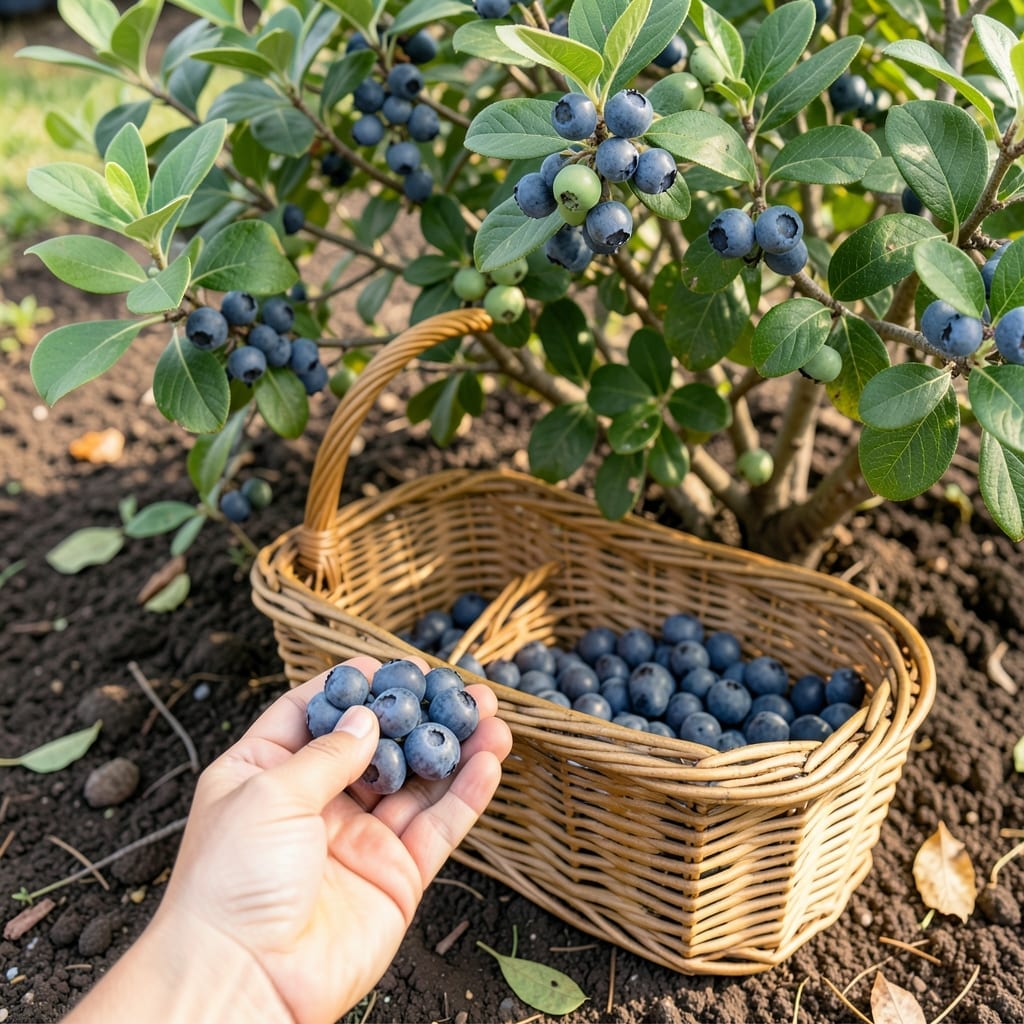
Nothing beats the taste of sun-ripened Blueberry 🫐 picked fresh from your garden, but knowing exactly when they’re ready can be tricky. The ripening time varies by variety, climate, and even your local growing conditions.
I’ve learned that timing is everything when it comes to that perfect harvest. Whether you’re growing in zone 4-7 or adjusting for your microclimate, there are clear signs to watch for.
Discover how to spot the ideal moment to pick your berries and why some bushes ripen earlier than others. Let’s make this your best blueberry season yet.


Timing your blueberry harvest starts with knowing your variety. Each type follows its own seasonal schedule, influenced by genetics and climate. Early varieties can ripen as soon as May, while late types may hold off until August. 🌱
I’ve found that Northern Highbush and Southern Highbush often overlap in timing, but Rabbiteye and Lowbush have distinct windows. Regional weather also shifts these dates by 2-3 weeks in either direction. ☀️
| Variety | Ripening Window | Key Regions |
|---|---|---|
| Northern Highbush | June – July | Zones 4-7 |
| Southern Highbush | May – June | Zones 7-10 |
| Rabbiteye | July – August | Zones 7-9 |
| Lowbush | July – August | Zones 3-6 |
In my garden, Northern Highbush varieties like Bluecrop start ripening in early July, while Southern Highbush types such as Misty are ready by late May. The key is to watch for color changes and berry firmness. 🌿
Rabbiteye blueberries, like Climax, often ripen later because they need more heat. I’ve noticed they thrive in the southern states where summers are long and warm. For Lowbush types, such as wild Maine blueberries, the ripening window is short but prolific. ✂️
Climate plays a huge role. In cooler zones, blueberries may take an extra 2-3 weeks to ripen. A late spring frost can delay flowering, pushing back the entire harvest. Conversely, a warm spring can speed up ripening by 7-10 days. 🌡️
Soil conditions also matter. Blueberries prefer acidic soil with a pH of 4.5-5.5. If your soil is too alkaline, the plants may struggle, delaying ripening. I always test my soil and amend it with sulfur or peat moss as needed. 💧
Watering consistently is crucial. Drought stress can cause berries to ripen unevenly or drop prematurely. I aim for 1-2 inches of water per week, especially during fruit development. Mulching helps retain moisture and keeps roots cool. ☀️
Pruning affects timing too. Proper pruning in late winter encourages new growth, which produces the best fruit. I remove old, unproductive canes and thin out crowded areas to improve air circulation. This leads to larger, sweeter berries that ripen more uniformly. ✂️
Finally, watch for visual cues. Ripe blueberries turn a deep blue-purple and develop a slight powdery bloom. They should come off the bush easily when gently tugged. If they’re still red or hard, leave them for another week. 🫐
Identifying ripe blueberries is all about the details. The first sign is color change—they shift from green to red, then finally to a deep blue-purple. But color alone isn’t enough. 🌱
I always check for a powdery white bloom on the skin, which is a natural protective coating. The berries should also feel slightly soft when gently squeezed, not hard or mushy.
Another key test is the ease of picking. Ripe berries come off the bush with just a gentle tug. If you have to pull hard, they’re not ready yet. I like to taste-test a few to confirm sweetness. 🌿
Avoid harvesting too early—unripe berries will be tart and firm. Also, don’t wait too long, as overripe fruit can become mushy or split. Timing is everything for the best flavor.
Watch for uneven ripening in clusters. Blueberries often ripen at different rates, so check individual berries rather than assuming the whole bunch is ready. I harvest my bushes every 3-5 days at peak season. ☀️
Finally, morning harvesting gives the best results. Berries picked after a cool night are firmer and sweeter. I bring a shallow container to avoid crushing the delicate fruit at the bottom. ✂️