
Beautiful Plants For Your Interior
Beautiful Plants For Your Interior
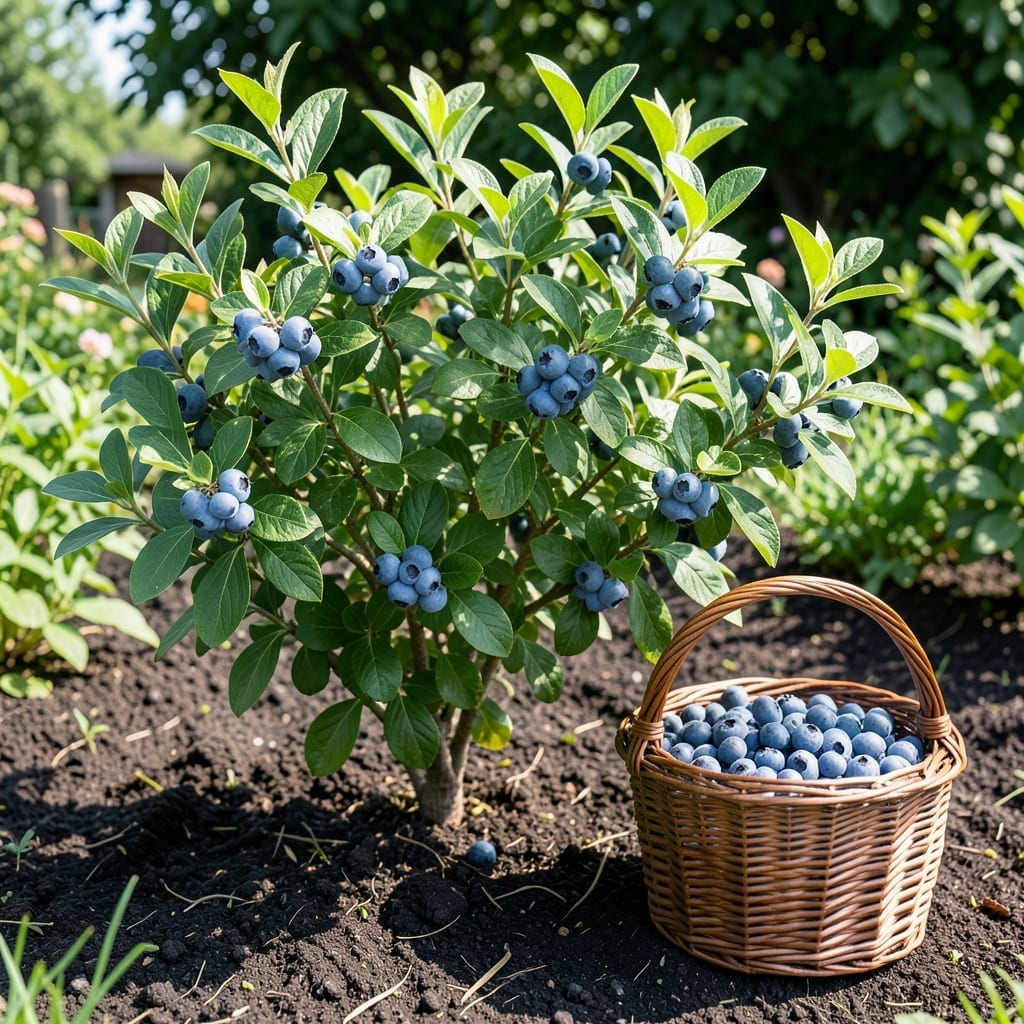
Ever stared at your Blueberry bushes wondering when they’ll finally reward you with fruit? You’re not alone. Many gardeners plant with high hopes, only to wait longer than expected.
The truth is, Blueberry fruiting depends on several factors beyond just time. Your plant’s age, variety, and even your local climate in zones 4-7 all play crucial roles in that first harvest.
I remember my own frustration watching those first green bushes grow without a single berry. But once I understood the timeline, everything changed. Now I look forward to June-August harvests every year.
Discover the key stages of Blueberry fruit production and how to set your plants up for success from the start. The wait will be worth it when you taste those first homegrown berries.
If you’re growing blueberries, knowing when to expect fruit is key. The timing varies by variety, with early types ripening in June, mid-season in July, and late varieties in August. Climate and care also play big roles in your harvest window.
I’ve seen gardeners plant Northern Highbush and get fruit in year 3, while Southern Rabbiteye may take a year longer. Lowbush varieties often fruit earlier but produce smaller berries. Each type has its own rhythm.
| Variety | Harvest Window | Years to Fruit |
|---|---|---|
| Early Season | June | 2-3 years |
| Mid-Season | July | 3-4 years |
| Late Season | August | 3-5 years |
| Rabbiteye | July-August | 4-5 years |
In cooler climates, early varieties like Duke or Spartan thrive, while warm regions favor Climax or Premier. I always remind gardeners that soil pH (4.5-5.5) is critical for all types to fruit well.
For container gardening, dwarf varieties like Top Hat or Peach Sorbet are perfect. They start fruiting in 2-3 years if given full sun and consistent acidic soil conditions.
I’ve noticed that pollination also affects timing. Bees love blueberry flowers, and cross-pollination between varieties can boost yields. Plant at least two different types for the best results.
Watering plays a role too. 1-2 inches per week keeps plants happy, especially during flowering and fruit set. Too little water can delay fruiting by a season.
If your bushes aren’t fruiting, check their age first. Most blueberries need 3-4 years to mature. I’ve seen impatient gardeners give up too soon—patience pays off with these shrubs.
For Northern gardeners, lowbush varieties are hardy to Zone 3 and fruit early. In the South, Rabbiteye types handle heat better but take longer to produce.
No matter the variety, pruning in late winter encourages strong growth. I prune my bushes in February to remove old wood and shape them for better airflow and sunlight penetration.☀️
I often get asked how long it takes for a blueberry bush to produce its first fruit. Typically, you’ll start seeing berries in year 2 or 3, but it depends on the variety and care.
Young bushes focus on root and foliage growth first, so don’t expect a full harvest immediately. With proper planting and acidic soil, you’ll see flower buds forming by the second spring.☀️
For the best results, plant 2-year-old bushes to jumpstart fruit production. These have already developed strong root systems and may produce a handful of berries in their first year after planting.
Keep an eye out for white flowers in early spring—this is your first sign that fruit set is on the way. Each flower can turn into a blueberry, but not all will mature.
If your bush isn’t flowering by year 3, check your soil pH (it should be 4.5–5.5) and ensure it’s getting 6+ hours of sun daily. These are critical for fruit development.
Remember, patience is key with blueberries. The wait is worth it when you finally pick that first sweet, homegrown berry from your own bush.🌿