
Beautiful Plants For Your Interior
Beautiful Plants For Your Interior
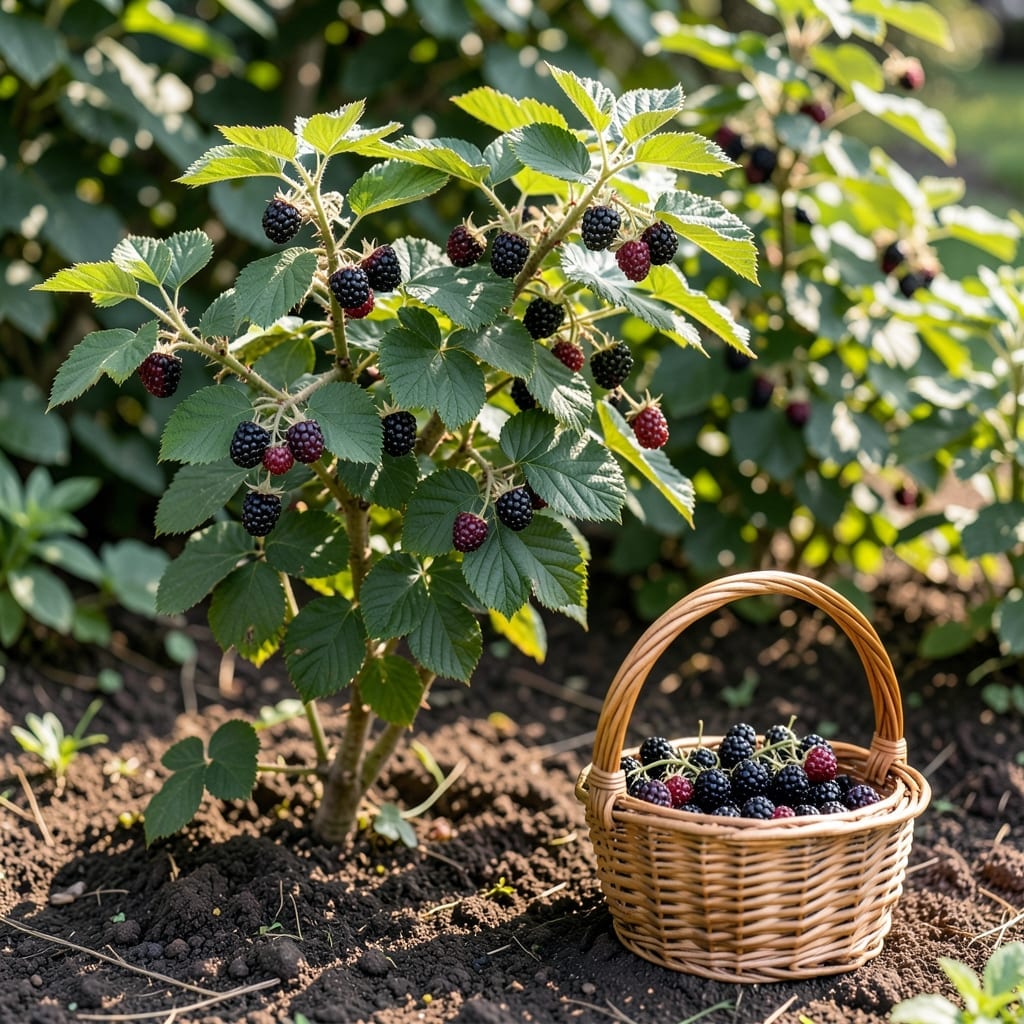
Blackberry bushes reward patient gardeners with delicious, juicy fruit—but knowing exactly when to expect your first harvest can save you from disappointment. Whether you’re planting bare-root canes or established bushes, timing varies by variety and growing conditions.
I remember my first Blackberry 🫐 harvest—waiting eagerly only to realize I’d missed the ideal window. That experience taught me how crucial it is to understand your plant’s specific timeline.
With proper care, most Blackberry bushes in zones 5-10 will begin producing fruit in their second year. The wait is worth it when you taste those first sweet berries.
Discover the key factors that influence fruiting time and how to maximize your harvest. Let’s explore what makes these shrubs thrive and when you can expect to enjoy their bounty.
Understanding when your blackberry bushes will produce fruit starts with knowing your variety. Erect thorny types like ‘Chehalem’ typically fruit in early summer, while thornless varieties may ripen slightly later. 🌿
Trailing blackberries, such as ‘Marion’, often bear fruit from mid to late summer. The first year after planting, most bushes focus on root and cane development, with minimal to no fruit. ✂️
| Variety | Fruiting Time | Notes |
|---|---|---|
| Erect Thorny | Early Summer | June-July, e.g., ‘Chehalem’ |
| Erect Thornless | Early to Mid Summer | July, e.g., ‘Loch Ness’ |
| Trailing Thornless | Mid to Late Summer | July-August, e.g., ‘Marion’ |
| Primocane | Late Summer to Fall | 1st year canes, e.g., ‘Prime-ArkTraveler’ |
First-year bushes usually don’t produce fruit, but primocane varieties can bear on new canes the same year they’re planted. This is a game-changer for impatient gardeners like me. 🌱
In year two, most blackberry bushes will start fruiting. Erect types may produce earlier in the season, while trailing varieties often take a bit longer. Proper pruning and care can encourage earlier fruiting. 🌿
Mature bushes (3+ years old) typically produce the largest harvests. For example, my ‘Apache’ thornless blackberries start ripening in early July and continue for 4-6 weeks. ☀️
Remember that climate plays a role. In warmer zones like USDA 8-10, fruit may ripen 2-3 weeks earlier than in cooler areas. I’ve noticed my bushes in zone 7 start fruiting in late June. 🌡️
Soil and water also impact timing. Well-draining soil and consistent moisture help bushes reach their fruiting potential faster. I always mulch heavily to retain moisture and regulate soil temperature. 💧
If you’re growing trailing blackberries on a trellis, ensure the canes are supported properly. This improves air circulation and sunlight exposure, which can speed up ripening. ✂️
Finally, watch for flower buds in spring—they’re your first sign that fruit is on the way. Once you see white or pink blossoms, you can expect berries in about 4-6 weeks, depending on the variety. 🌷
Your blackberry harvest time depends heavily on climate. In warmer zones like 8-10, expect fruit earlier—sometimes as soon as late spring. Cooler areas in zones 5-7 typically see ripe berries in mid to late summer. ☀️
I’ve noticed that chill hours (below 45°F) are crucial for many varieties. Most need 200-800 hours to produce well. Without enough cold, buds may not form properly, delaying your harvest significantly. ❄️
Proper pruning timing can shift your harvest window. I always prune summer-bearing canes right after harvest, while fall-bearing types get trimmed in late winter. This keeps the plant focused on fruit production. ✂️
Water stress is another harvest killer. Blackberries need 1-2 inches of water weekly, especially during fruit set. I use drip irrigation to keep soil moisture consistent without wetting the leaves, which prevents disease. 💧
Don’t overlook soil quality. Blackberries thrive in well-draining, slightly acidic soil. I amend my beds with compost annually. Poor soil can delay fruiting by a full season as the plant struggles to establish. 🌱
Finally, variety selection matters. Early varieties like ‘Apache’ may ripen in June, while late ones like ‘Triple Crown’ can go until August. Choose based on your local climate for the best results. 🌿