
Beautiful Plants For Your Interior
Beautiful Plants For Your Interior
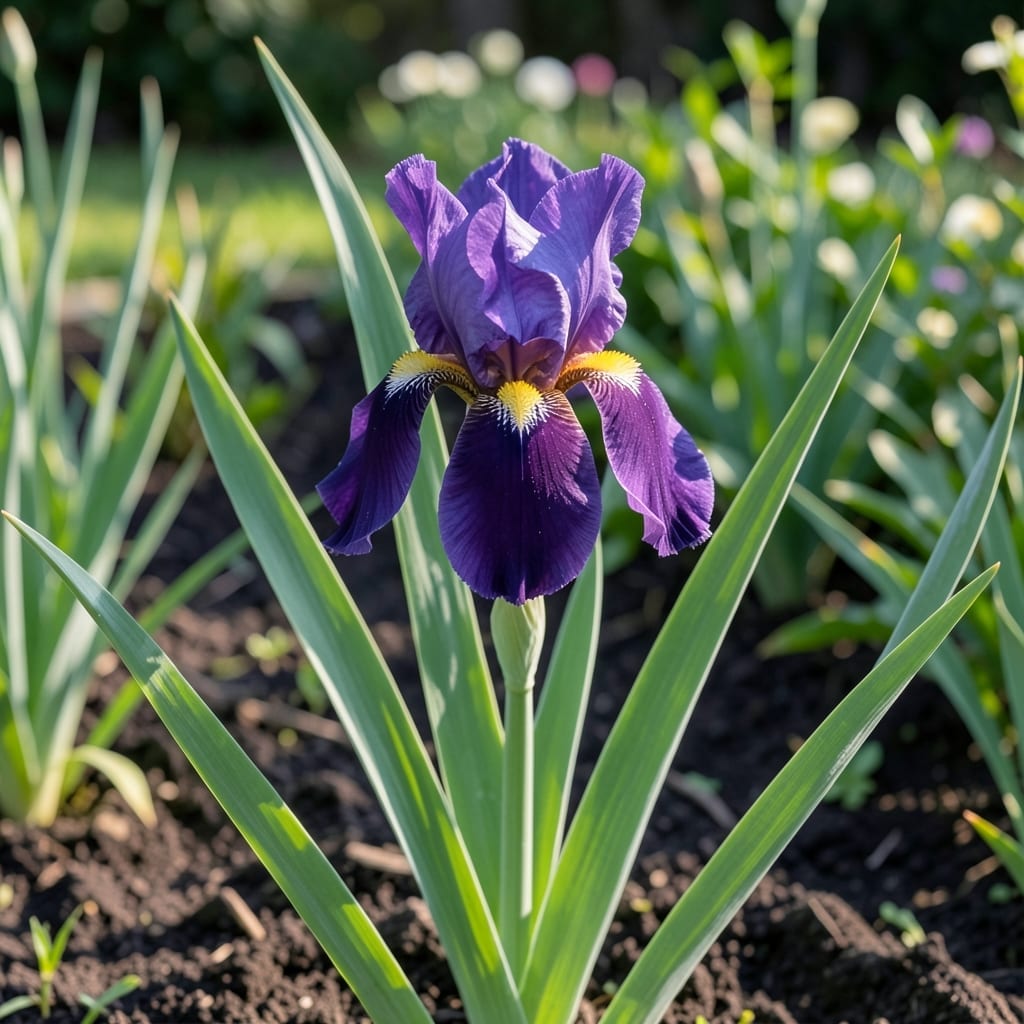
There’s something magical about watching Bearded Iris 🌸 burst into color after a long winter. These stunning flowers bring life to any garden, but their blooming window can be surprisingly brief.
Timing varies by variety and climate, which is why I’m always surprised when gardeners miss their peak. In zones 3-10, you’ll typically see these beauties shine from spring through early summer.
Let me show you exactly when to expect those vibrant blooms and how to make the most of their fleeting display.
If you’ve ever wondered when bearded iris bloom, the answer depends on the variety. These perennials typically flower in spring to early summer, but exact timing varies by type.
From dwarf iris to tall bearded iris, each has its own schedule. I’ll break down the timeline so you can plan your garden for continuous color. ☀️
| Variety | Bloom Time | Height |
|---|---|---|
| Dwarf Bearded | Early spring | 8-16 inches |
| Intermediate | Mid to late spring | 16-28 inches |
| Border Bearded | Late spring | 16-28 inches |
| Standard Dwarf | Early to mid spring | 8-16 inches |
| Miniature Tall | Mid spring | 16-28 inches |
| Tall Bearded | Late spring to early summer | 28-40 inches |
| Reblooming | Spring and fall | 28-40 inches |
Dwarf bearded iris are the first to bloom, often as early as March in warmer zones. Their small stature makes them perfect for garden borders.
Intermediate bearded iris follow in mid to late spring, offering a bridge between early and late bloomers. They’re ideal for mid-bed planting where height variation is desired.
Tall bearded iris are the showstoppers, blooming from late spring to early summer. These can reach 40 inches tall, creating dramatic focal points.
Reblooming iris are a gardener’s dream, producing flowers in spring and fall. Varieties like ‘Immortality’ or ‘Jennifer Rebecca’ offer extended color.
In cooler climates (zones 3-5), blooms may appear 1-2 weeks later than in warmer areas. Zone 6-10 gardeners often see earlier flowers.
For continuous blooms, mix early, mid, and late varieties. This creates a 6-8 week display of color in your garden. 🌷
Remember that first-year plants may not bloom as vigorously. Patience pays off, as mature clumps produce the most spectacular shows in subsequent years.
While variety plays a huge role, several environmental factors can shift your bearded iris bloom time by weeks. I’ve seen climate differences create surprising variations even in neighboring gardens.
Sunlight exposure is critical—these plants need 6+ hours of direct sun daily. Shady spots often delay blooming or reduce flower production significantly. ☀️
Planting depth is often overlooked. Rhizomes need sunlight—bury them too deep and you’ll get foliage but few flowers. I always plant with the top half exposed for best results.
Soil temperature is another game-changer. In cooler springs, blooms may wait until soil warms to 60°F. Using black mulch can help speed this up naturally.
Water stress can delay or reduce blooming. While bearded iris are drought-tolerant, consistent moisture during bud formation ensures the best display. I water deeply once weekly in dry spells.
Finally, fertilizer choice matters. Too much nitrogen promotes leaves over flowers. I use a 6-10-10 formula in early spring to support blooming without overfeeding. 🌱