
Beautiful Plants For Your Interior
Beautiful Plants For Your Interior
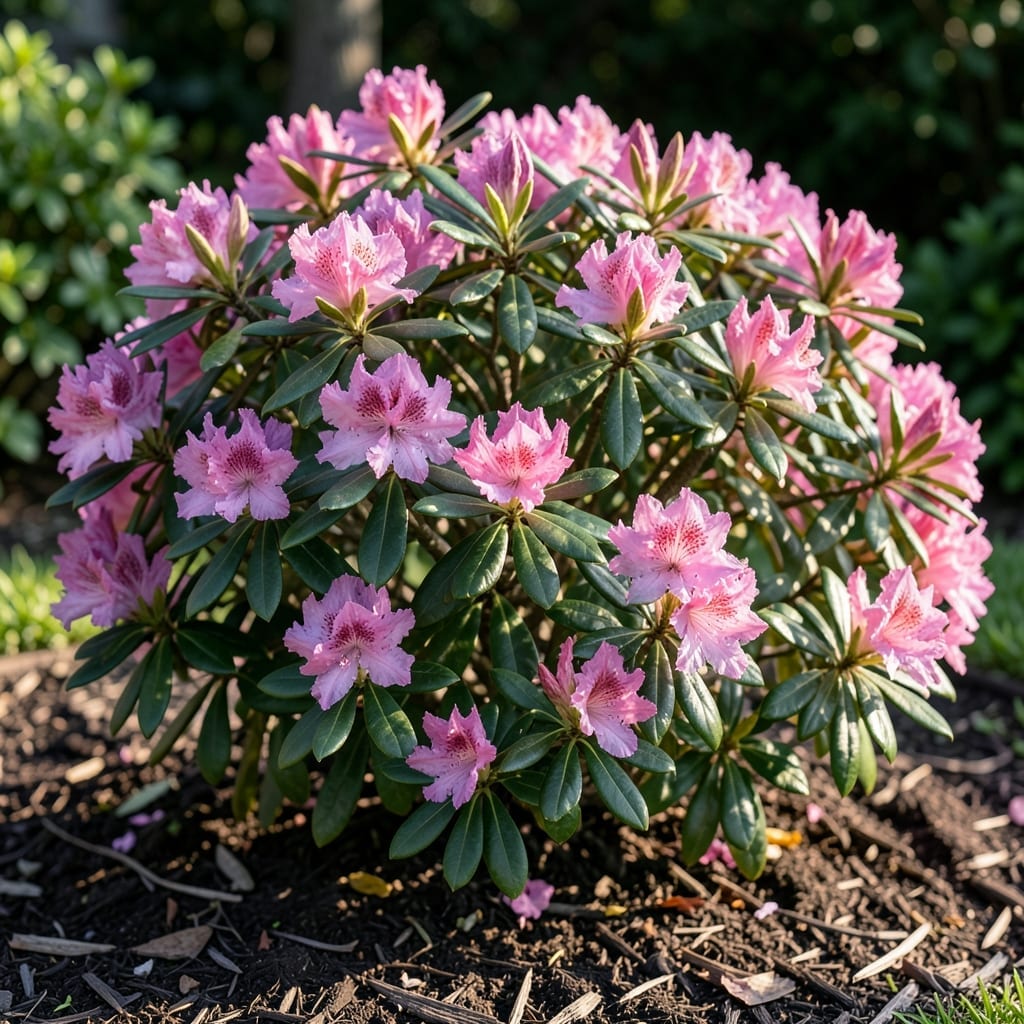
There’s nothing quite like watching your garden come alive with the vibrant colors of blooming shrubs. The 🌸 Azalea is a star performer, but its showstopping display doesn’t follow a one-size-fits-all schedule.
Depending on your variety and climate, these beauties can burst into color at surprisingly different times. In zone 6a, you’ll typically see their first flush of blooms in spring.
Let me share the key factors that determine when your Azaleas will put on their most spectacular show, and how you can time their blooming for maximum impact.
The blooming time of azalea bushes varies by variety and USDA hardiness zone. Early-season types like Kurume azaleas may start in late March in warmer zones.
Mid-season varieties, including Northern Lights, typically bloom in April to early May. Late-season types, such as Encore azaleas, can flower as late as June in cooler areas.
| Variety | Bloom Time | USDA Zones |
|---|---|---|
| Kurume | Late March – Early April | 5-8 |
| Northern Lights | April – Early May | 4-7 |
| Encore | May – June | 6-10 |
| Satsuki | May – Early June | 7-9 |
In warmer zones like 9-10, azaleas may bloom 2-3 weeks earlier than in cooler areas. This is because soil temperature and daylight hours trigger bud development.
The Encore series is unique because it offers repeat blooming. These varieties flower in spring, then again in summer and fall if properly cared for.
For zone 6a, where the last frost is typically April 15, most azaleas will bloom from mid-April to May. The exact timing depends on microclimates and planting location.
Morning sun and afternoon shade can help regulate blooming time. Azaleas in full shade may bloom 1-2 weeks later than those with ideal light exposure.
Soil pH also plays a role. Azaleas prefer acidic soil (pH 4.5-6.0). If your soil is too alkaline, it can delay blooming or reduce flower quality.
I’ve found that consistent moisture during bud formation is crucial. Drought stress in late summer can reduce the next year’s bloom. A 2-3 inch mulch layer helps maintain soil moisture.
Finally, remember that young plants may take 2-3 years to produce significant blooms. Patience and proper care will reward you with spectacular spring color that makes azaleas a garden favorite 🌸
With the right care, I can help you enjoy azalea blooms for weeks longer than nature intended. The key is understanding your variety’s natural cycle and working with it.
Proper pruning timing is crucial. For most azaleas, prune immediately after flowering to avoid cutting off next year’s buds. This gives the plant time to set new buds for the following season.
Deadheading is one of my favorite techniques. By removing spent flowers, you prevent the plant from wasting energy on seed production. This encourages more new blooms to form.
For Encore azaleas, which bloom multiple times, I recommend a light feeding of balanced fertilizer after each major bloom cycle. This gives them the nutrients they need for the next flush of flowers.
Sequential planting is another great strategy. By mixing early, mid, and late-season varieties, you can create a continuous blooming display from March through June in many areas.
Remember that proper watering is essential for extended blooms. Azaleas need consistent moisture, especially during bud formation. A 2-3 inch mulch layer helps maintain even soil moisture 🌸