
Beautiful Plants For Your Interior
Beautiful Plants For Your Interior
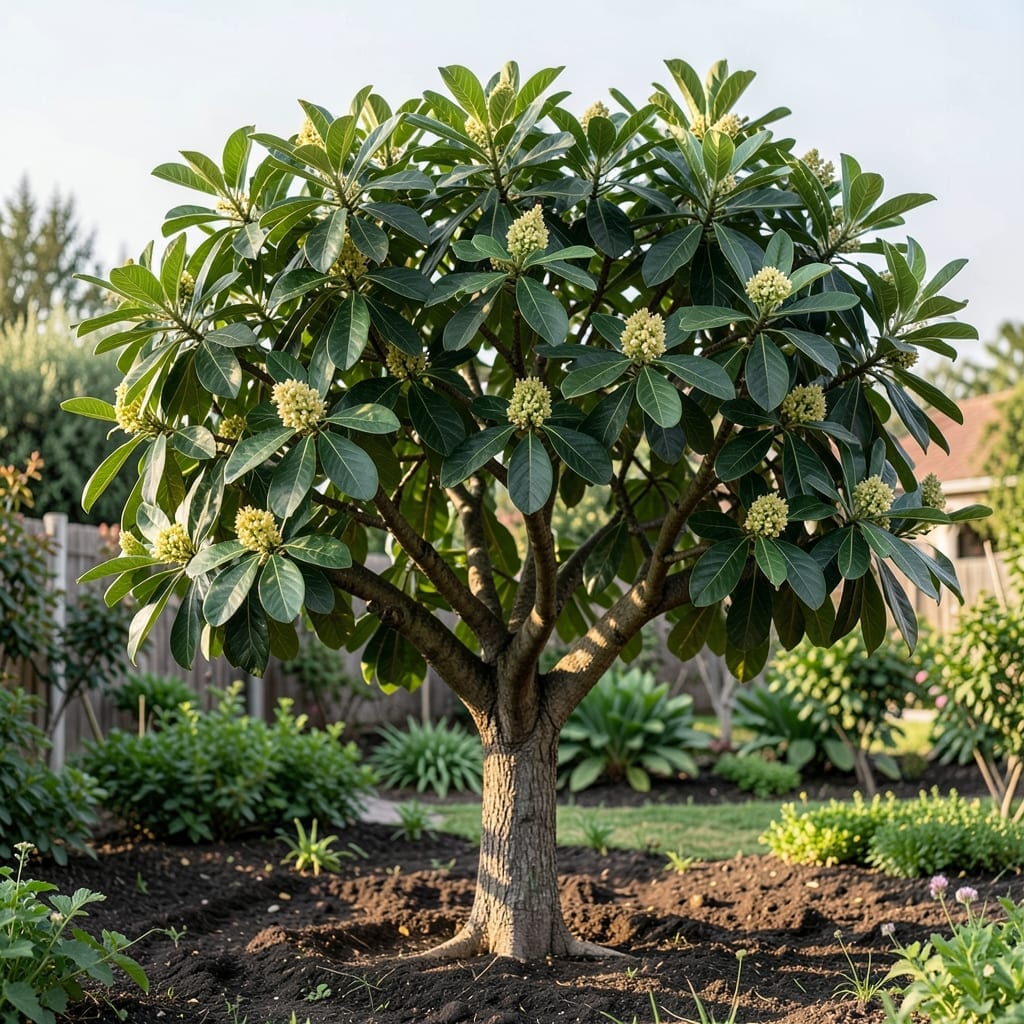
Avocado trees bring tropical beauty and delicious fruit to your garden, but their unique flowering habits often puzzle growers. Knowing when these trees bloom is key to a successful harvest.
I’ve seen many gardeners struggle with timing, not realizing that 9-11 climate zones and tree types play a big role. The 🥑 Avocado doesn’t follow the usual rules, and that’s what makes it so fascinating.
Discover the patterns behind their blooming cycles and how to work with them. Let’s break down what you need to know to get the most out of your tree.
If you’re growing avocado trees, knowing their blooming season is crucial for a good harvest. These trees thrive in USDA zones 9-11, where frost is rare and warmth is abundant.
Most avocado varieties bloom in late winter to early spring, with flowers appearing from March to May. However, the exact timing can vary based on your specific climate and tree type.
| USDA Zone | Blooming Period | Peak Flowering |
|---|---|---|
| 9 | March – April | Late March |
| 10 | February – April | Early March |
| 11 | January – March | Mid-February |
In zone 9, expect blooms in March to April, with peak flowering in late March. The slightly cooler temperatures slow down the process compared to warmer zones.
For zone 10, blooming starts earlier, from February to April, with the most flowers appearing in early March. The consistent warmth helps the tree bloom more predictably.
In the warmest zone 11, avocados can start blooming as early as January, with peak flowering in mid-February. The tropical climate allows for an extended blooming period.
Remember, these are general guidelines. Microclimates and tree health can shift blooming by a few weeks. Always observe your tree’s specific patterns.
Another key factor is the type of avocado flower. Type A and Type B varieties have different blooming behaviors, which we’ll cover in the next section.
Healthy trees in ideal conditions will produce abundant flowers. Ensure they get full sun and well-draining soil for the best results.
With proper care, your avocado tree will reward you with beautiful blooms and, eventually, delicious fruit. 🌳
Understanding avocado flower types is essential for successful pollination. These trees have a unique system with Type A and Type B flowers that open at different times of day.
This dichogamous behavior means the male and female parts mature at separate times, which helps prevent self-pollination. It also explains why having both types nearby boosts fruit production. 🌳
| Feature | Type A | Type B |
|---|---|---|
| Female Open | Morning | Afternoon |
| Male Open | Afternoon | Morning |
| Example Varieties | Hass, Gwen | Fuerte, Zutano |
Type A flowers like Hass open as female in the morning and male in the afternoon. This timing helps them receive pollen from Type B trees that are shedding pollen at the same time.
Type B flowers such as Fuerte do the opposite: female in the afternoon and male in the morning. This complementary timing ensures cross-pollination when both types are present in your garden.
If you only have one tree, don’t worry – bees and wind can still help with pollination. But planting both types within 50 feet of each other will significantly improve your fruit set.
I’ve found that Hass avocados are the most common Type A, while Fuerte is a popular Type B. Knowing your tree’s type helps you understand its pollination needs and plan accordingly.
This natural system ensures genetic diversity and stronger fruit production in your garden. 🌿