
Beautiful Plants For Your Interior
Beautiful Plants For Your Interior
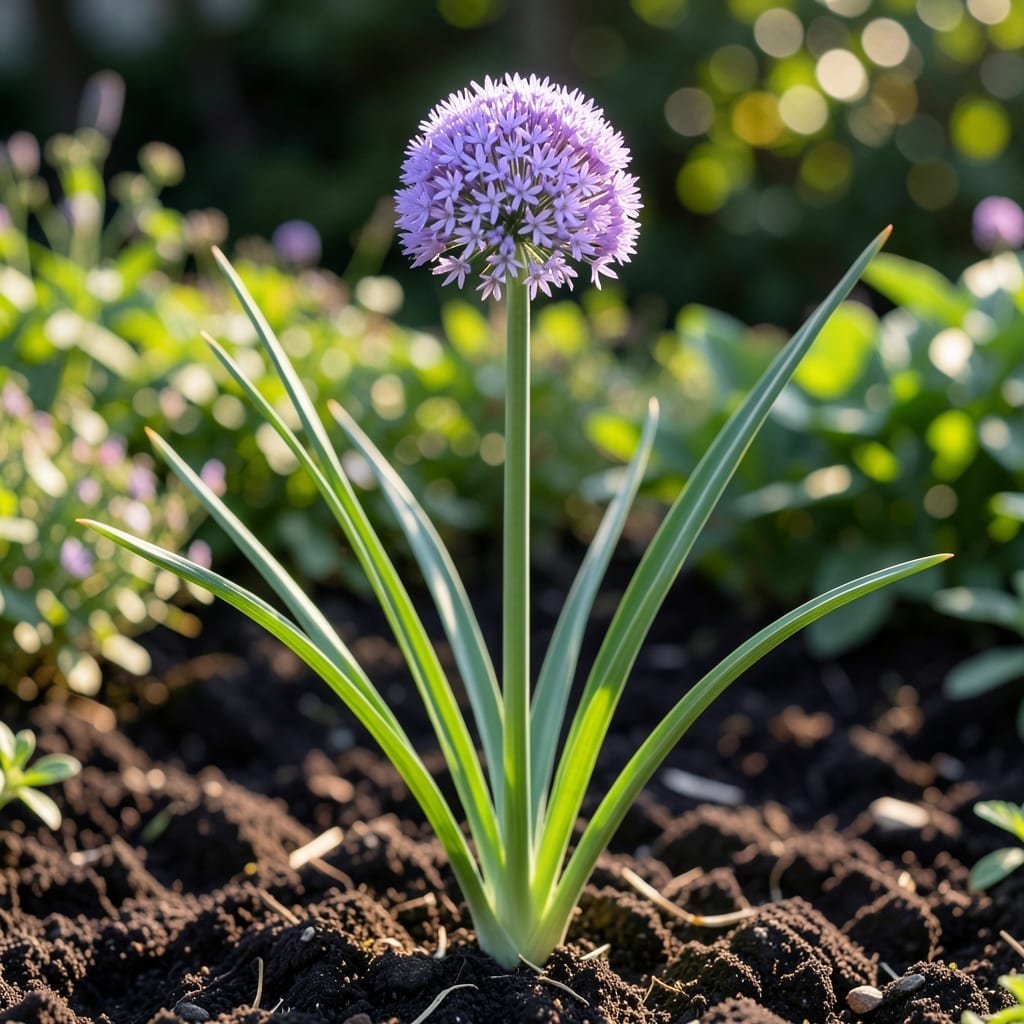
There’s something magical about watching 🌷 Allium globes transform your garden into a purple paradise. These striking flowers don’t follow a one-size-fits-all schedule, which makes timing their bloom period both an art and a science.
Whether you’re a seasoned gardener or just starting out, understanding when different Allium varieties burst into color can help you create a stunning display. From early spring to late summer, there’s an Allium for every season in zone 6.
Discover the simple secrets to predicting their bloom times and learn how to extend their vibrant presence in your outdoor space. Let’s dig into the details.
If you’ve ever wondered when alliums bloom, the answer depends on the variety. These stunning ornamentals span early spring to late summer, offering months of garden interest. Each type has its own schedule, from the first hints of warmth to the height of summer.
I’ve found that planting a mix of varieties creates a continuous display of those iconic spherical blooms. The key is knowing which types flower when, so you can stagger plantings for nonstop color.
| Variety | Bloom Time | Key Features |
|---|---|---|
| Allium roseum | Early spring | Pink flowers, 12-18 inches tall |
| Allium karataviense | Mid spring | White blooms, broad leaves |
| Allium sphaerocephalon | Early summer | Drumstick shape, purple-green |
| Allium giganteum | Late spring | Giant 8-inch globes, 4 ft tall |
| Allium moly | Late spring | Golden yellow, 12 inches tall |
For early bloomers like Allium roseum, you’ll see color as soon as March or April in most regions. These are perfect for kicking off the growing season with a burst of pink. I love planting them near walkways where their delicate hues can be admired up close.
By mid-spring, varieties like Allium karataviense take center stage. Their unique white blooms and broad, gray-green leaves add texture to any garden. They thrive in well-drained soil and full sun, making them a low-maintenance choice.
The late spring crowd includes showstoppers like Allium giganteum. These towering plants produce massive 8-inch purple globes that can reach up to 4 feet tall. Their height makes them ideal for the back of borders.
Early summer brings the whimsical Allium sphaerocephalon, often called the drumstick allium. Their oval-shaped flower heads start green and gradually turn deep purple. They’re a favorite for dried flower arrangements too.
Finally, Allium moly brightens up late spring to early summer with its cheerful golden-yellow blooms. At just 12 inches tall, it’s perfect for rock gardens or the front of beds. It also naturalizes well, coming back year after year with minimal care.
To maximize your allium display, I recommend planting a mix of these varieties. This way, as one type fades, another is ready to take its place, ensuring your garden stays vibrant for months. Succession planting is your best friend here.
Remember that bloom times can shift slightly based on your local climate and the previous year’s weather. Warmer springs may coax blooms out a week or two early, while cooler temperatures can delay them. Keep an eye on your plants and enjoy the show as it unfolds 🌷
While allium varieties have their natural bloom windows, climate and care can shift these schedules significantly. In warmer zones, you might see blooms 2-3 weeks earlier than in cooler areas. I’ve noticed this firsthand in my own garden.
Even within the same region, microclimates created by sun exposure or urban heat can cause variations. A south-facing bed often produces earlier blooms than a north-facing one, sometimes by as much as a week.
In my experience, planting depth is one of the most controllable factors. Bulbs planted too shallow may sprout early but be more vulnerable to frost. Those planted too deep might take longer to emerge and bloom later.
Soil temperature plays a huge role too. In early spring, I use black mulch to warm the soil faster, which can coax blooms out a bit earlier. Just be careful not to overdo it, as too much heat can stress the plants.
Some alliums need a cold period to trigger blooming. If you’re in a mild winter area, you might need to pre-chill bulbs before planting. I’ve had success with this method for finicky varieties.
Finally, remember that consistent moisture during the growing season helps ensure robust blooms. Too little water can delay flowering, while too much can rot the bulbs. Aim for that goldilocks zone of moist but well-drained soil 🌱