
Beautiful Plants For Your Interior
Beautiful Plants For Your Interior
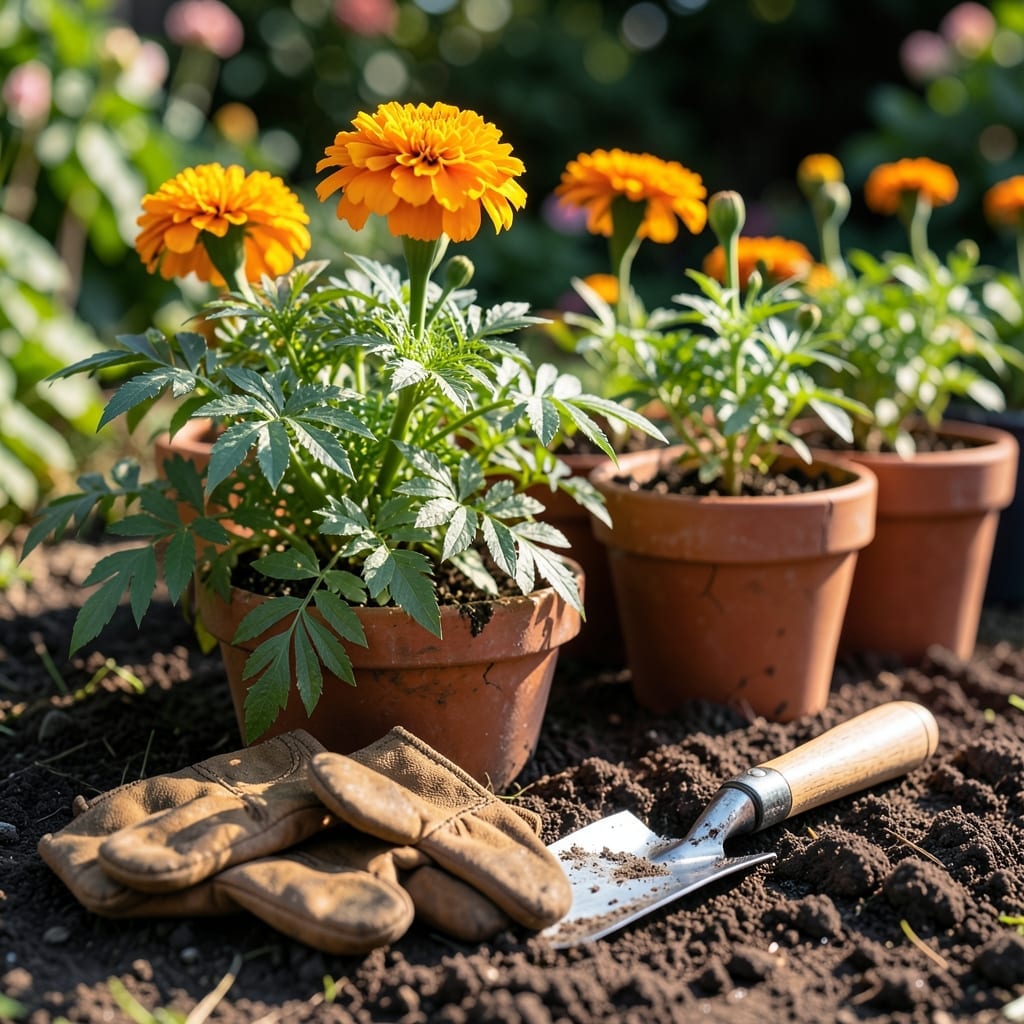
Timing is everything when it comes to planting 🌸 Flowers. Start too early and frost may wipe out your blooms. Wait too long and you’ll miss the best growing season.
I’ve seen gardeners struggle with this every year, but the solution is simpler than you think. It all comes down to knowing your local climate patterns.
Discover how to pinpoint that perfect planting window for your area. With this guide, you’ll never second-guess when to get those flowers in the ground.


I always tell gardeners that your USDA Hardiness Zone is the first clue to perfect timing. This system divides North America into zones based on average annual minimum temperatures, helping you know when it’s safe to plant.
Each zone has its own frost-free window, and flowers planted too early can be damaged by late frosts. I’ve learned that even within a zone, microclimates can affect your planting schedule.
| Zone | Last Frost Date | Planting Window | Recommended Flowers |
|---|---|---|---|
| 3-4 | May 1-15 | Late May-June | Pansies, Snapdragons |
| 5-6 | April 15-30 | Mid April-May | Tulips, Daffodils |
| 7-8 | March 15-30 | Early March-April | Marigolds, Zinnias |
| 9-11 | Feb 15-March 1 | January-March | Petunias, Impatiens |
For Zone 3-4, I recommend waiting until late spring when the soil has warmed. These areas have shorter growing seasons, so cold-hardy annuals work best. I’ve had great success with snapdragons in these zones.
In Zone 5-6, you can start earlier. I typically begin planting perennial flowers in mid-April, right after the last frost. Tulips and daffodils thrive here with proper timing.
For Zone 7-8, the planting window opens even earlier. I’ve found that March is ideal for most annual flowers. Marigolds and zinnias are excellent choices that can handle the occasional late frost.
Gardeners in Zone 9-11 have the longest growing season. You can start planting as early as January for some varieties. I love growing petunias and impatiens in these warmer zones.
Remember that these are general guidelines. Local weather patterns can vary, so I always check the 10-day forecast before planting. A sudden cold snap can set back even the hardiest flowers.
I also pay attention to soil temperature, not just air temperature. Most flowers need soil that’s at least 50°F to establish well. I use a soil thermometer to check this before planting.
Finally, don’t forget about fall planting for some flowers. In milder zones, you can plant pansies and violas in early fall for winter color. I’ve had beautiful results with this approach in my own garden.
☀️I always check my local frost dates before planting flowers. The last spring frost and first fall frost bookend your safe planting window. I use these dates to time my flower plantings perfectly.
Your last frost date tells you when it’s safe to plant tender annuals like petunias and impatiens. I never plant these before this date in my garden.
I’ve found that microclimates can shift frost dates by 1-2 weeks. Urban areas often have later frosts than rural spots. I keep a garden journal to track my local patterns.
For early bloomers like pansies and snapdragons, I plant 2-3 weeks before the last frost. These can handle light frosts. I always have frost cloth ready for unexpected cold snaps.
In fall, I use the first frost date to time my perennial plantings. I aim to get new perennials in the ground 6 weeks before this date. This gives them time to establish roots before winter.
I also watch the 10-day forecast closely. If a late frost is predicted after I’ve planted, I cover tender flowers with row covers or cloches. This simple step has saved many of my early plantings.
☀️