
Beautiful Plants For Your Interior
Beautiful Plants For Your Interior
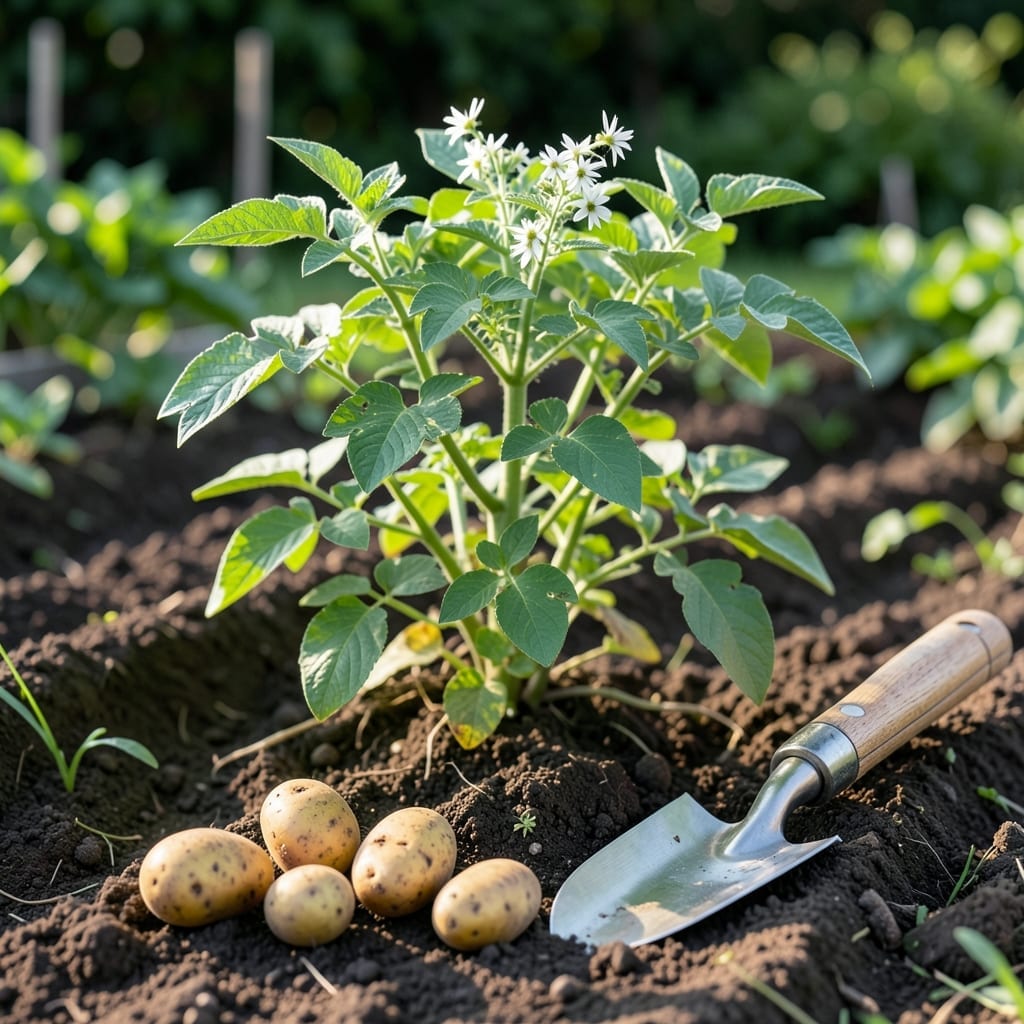
Timing is everything when planting Potato in Georgia—plant too early or too late, and you risk frost damage or poor harvests. That perfect window makes all the difference for your garden’s success.
In our state’s 7b-8a zones, getting the schedule right means the difference between a bountiful harvest and disappointment. The soil temperature and last frost date are your most important guides.
I’ve learned through experience that missing this window by even a week can impact your yield. Whether you’re a seasoned gardener or just starting out, nailing the timing is the key to thriving 🥔 plants.
Let me walk you through exactly when to get those seed potatoes in the ground for the best results. The right timing will set you up for a successful growing season.
In Georgia’s diverse climate, timing your potato planting is crucial for a bountiful harvest. The state spans USDA zones 7b-8a, meaning frost dates vary from north to south. I always aim for soil temps between 45-55°F for best results.
For most gardeners, mid-March to early April is ideal for spring planting, while late August to early September works perfectly for a fall crop. These windows avoid frost while giving tubers enough time to mature before heat or cold sets in.
| Region | Spring Planting | Fall Planting | Notes |
|---|---|---|---|
| North Georgia | Late March | Early Sept | Later spring start |
| Central Georgia | Mid-March | Late August | Moderate climate |
| South Georgia | Early March | Mid-August | Earliest planting |
I’ve found that soil temperature is more important than calendar dates. Use a soil thermometer to check conditions at 4-inch depth. If it’s consistently above 45°F, you’re good to go.
For spring crops, St. Patrick’s Day is a traditional planting marker in middle Georgia. But in the mountains, wait until early April to avoid late frosts. Fall plantings need 90-120 days before first frost.
Georgia’s humid summers make fall planting particularly advantageous. The cooler temperatures and reduced pest pressure often lead to better yields than spring crops. I always get my best potatoes from fall plantings.
In coastal areas, you can push spring planting to late February thanks to milder winters. But watch for unexpected cold snaps that can damage young plants. A frost blanket can save your crop if temperatures dip.
Remember that seed potatoes need to be chitted (sprouted) before planting. This gives them a head start and leads to faster emergence. I start mine indoors about 4-6 weeks before planting time.
For both seasons, well-draining soil is essential. Georgia’s clay can be problematic, so I always amend with compost or sand to improve drainage and prevent rot. This is especially important for fall crops when rains are more frequent.
Finally, consider variety selection. Early varieties like ‘Yukon Gold’ do well in spring, while ‘Kennebec’ performs better for fall planting in Georgia’s climate. Always choose disease-resistant varieties when possible.
With these timing guidelines and regional adjustments, you’ll be harvesting perfect potatoes from your Georgia garden in no time 🌱
Preparing your Georgia soil properly is crucial for healthy potato plants. Our state’s clay-heavy soil needs special attention to ensure good drainage and root development. I always start by testing my soil’s pH.
The ideal pH range for potatoes is 5.0 to 6.5. If your soil is too acidic or alkaline, your seed potatoes may struggle to grow. A simple soil test kit from your local garden center can give you accurate results.
Adding organic matter is essential for improving soil structure. I mix in plenty of well-aged compost or aged manure to enhance fertility. This helps break up Georgia’s dense clay while providing essential nutrients.
For better drainage, I incorporate coarse sand or pine bark fines into the soil. Potatoes hate waterlogged soil, so creating a loose, well-draining environment prevents rot and promotes healthy tuber development.
A balanced 5-10-10 fertilizer worked into the soil before planting gives your potatoes a strong start.
Finally, loosen the soil to at least 12 inches deep. This allows roots to penetrate easily and tubers to develop without obstruction. With these steps, your Georgia soil will be perfectly prepped for planting 🥔