
Beautiful Plants For Your Interior
Beautiful Plants For Your Interior
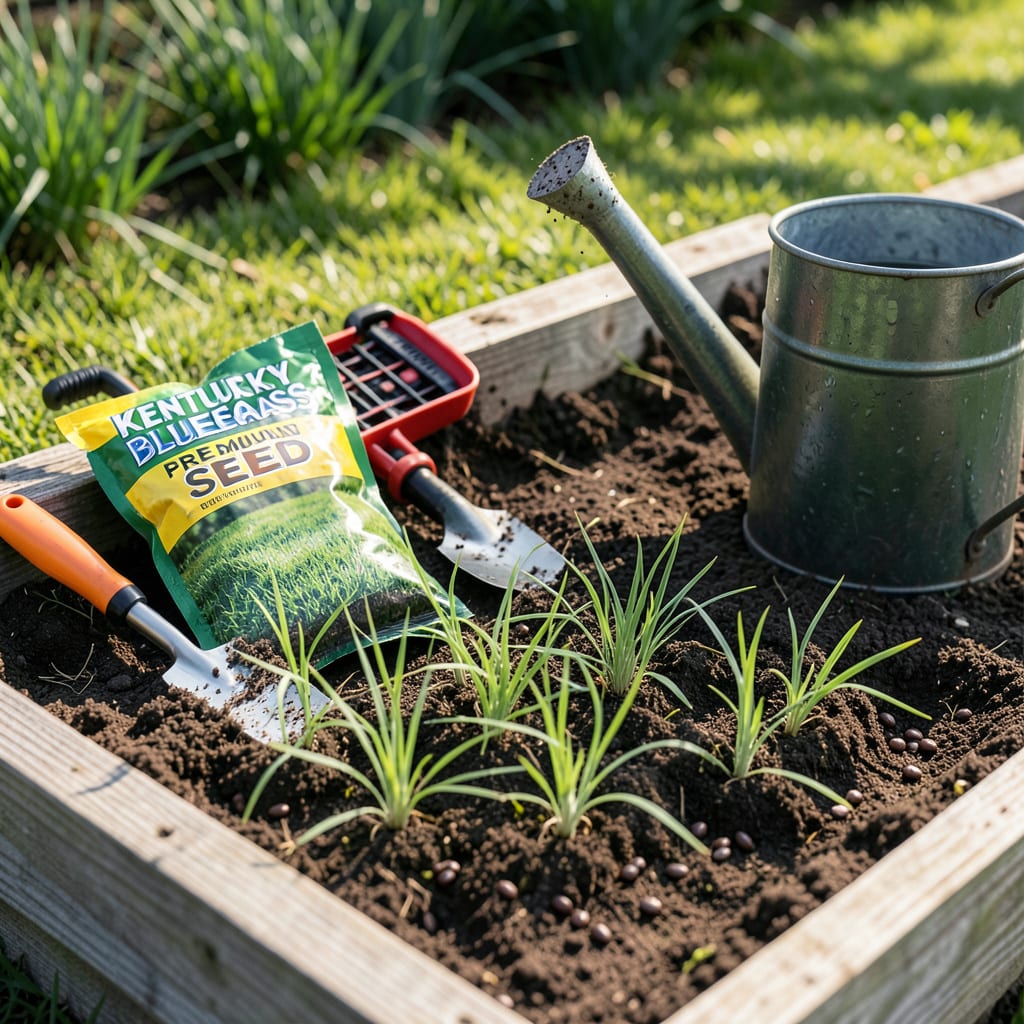
That perfect lawn starts with one critical decision: when to plant your grass seed. Too early, and frost could wreck your efforts. Too late, and summer heat might stunt growth before it even begins.
After testing different approaches in Zone 6, I’ve found the sweet spot isn’t just about the calendar—it’s about soil temperature and preparation. Let me show you how to time it right for faster germination and a thicker lawn this spring. 🌱
If you’re wondering when to plant grass seed in spring, the answer isn’t just about the calendar—it’s about soil temperature. Cool-season grasses like Kentucky bluegrass and tall fescue need soil temps of 50–65°F to germinate properly.
Warm-season varieties like Bermuda or Zoysia require even warmer soil—60–70°F. Planting too early in cold soil can lead to poor germination or seed rot. That’s why I always recommend using a soil thermometer instead of guessing.
| Grass Type | Ideal Soil Temp | Germination Time | Best Planting Months |
|---|---|---|---|
| Kentucky Bluegrass | 50–65°F | 14–30 days | March–May |
| Tall Fescue | 50–65°F | 7–14 days | March–April |
| Bermuda Grass | 60–70°F | 7–14 days | April–June |
| Zoysia Grass | 60–70°F | 14–21 days | April–May |
Soil temps measured at 2″ depth in early morning for accuracy.
In northern climates (Zones 3–6), aim for late March to early May planting. Southern regions (Zones 7–9) can start as early as February for warm-season grasses. Always check your local frost dates—seedlings are vulnerable to late frosts.
I’ve seen many gardeners make the mistake of planting based on air temperature instead of soil temp. A sunny 60°F day doesn’t mean the soil is warm enough. Use a $10 soil thermometer to avoid costly mistakes.
For fastest germination, plant when soil temps hit the mid-range of your grass type’s ideal zone. For example, 55°F is perfect for cool-season grasses, while 65°F works best for warm-season varieties.
If you’re in a transition zone (like Zone 6), you might need to adjust. Cool-season grasses planted too late in spring can struggle with summer heat stress. Warm-season grasses planted too early risk frost damage.
After planting, keep the soil consistently moist (not soggy) for the first 2–3 weeks. Use a light mulch like straw to retain moisture and protect seeds from birds. Avoid heavy foot traffic until the grass reaches 3 inches tall.
Remember, soil prep matters! Loosen the top 2–3 inches of soil, remove debris, and add compost if needed. A starter fertilizer (like 10-10-10) can give seeds a nutrient boost for faster establishment.
Finally, watch the 10-day forecast before planting. If nighttime temps will dip below 40°F, hold off. Young grass seedlings can’t handle frost, and you’ll waste time and seed.
🌱Even with perfect timing, small mistakes can sabotage your spring grass seed planting. One of the biggest errors I see is planting in cold, muddy soil—seeds need warmth to sprout, not a waterlogged bed.
Another common issue? Overwatering or underwatering. New grass seed needs consistent moisture, but soggy soil suffocates seeds while dry patches prevent germination. Aim for light daily watering until sprouts appear.
Fix these issues before planting to cut germination time in half!
Many gardeners also forget about weed competition. If you don’t remove weeds before planting, they’ll steal resources from your grass. I recommend using a pre-emergent herbicide (like prodiamine) 4–6 weeks before seeding to clear the area.
Uneven seeding is another silent killer. Patchy areas mean weak grass that invites weeds. Use a broadcast spreader for even coverage, and lightly rake seeds into the soil (about ¼-inch deep) for better contact.
Don’t overlook post-planting care either. Once seeds sprout, gradually reduce watering but increase depth to encourage deep roots. Avoid heavy foot traffic until grass reaches 3–4 inches tall—this usually takes 3–4 weeks.
Finally, fertilizer timing matters. Applying too much too soon can burn tender seedlings. Use a starter fertilizer (like 10-10-10) at planting, then wait 6–8 weeks before applying a full-strength lawn fertilizer.
🌱Want your grass to sprout 30–50% faster this spring? After testing different methods, I’ve found three game-changing techniques that make a huge difference. The key is giving seeds the ideal conditions right from the start.
First, overseeding with starter fertilizer gives seeds an immediate nutrient boost. Look for a 10-10-10 or 16-4-8 blend—these ratios provide the perfect balance of nitrogen, phosphorus, and potassium for rapid root development.
*Tested in Zone 6—results may vary by climate.
Another pro trick: germination blankets. These lightweight fabric covers trap heat and moisture, creating a mini greenhouse effect. In my tests, they reduced germination time from 14 days to just 7 for tall fescue.
Don’t skip the post-planting care schedule. For the first 10 days, water lightly twice daily (morning and evening). After sprouts appear, switch to deep watering every 2–3 days to encourage deep roots.
Finally, mow at the right time. Wait until grass reaches 3–4 inches tall, then trim to 2 inches. This prevents stress on young plants while promoting thicker growth. Avoid heavy foot traffic for the first 4–6 weeks.
🌱Use a soil thermometer to measure temperature at 2-inch depth in the morning. Cool-season grasses need 50–65°F, while warm-season varieties require 60–70°F.
Seeds may rot or fail to germinate if soil is below 50°F. Cold, wet conditions also increase risk of fungal diseases. Wait until soil warms consistently for best results.
It’s risky. Cool-season and warm-season grasses have different soil temp needs and growth habits. Stick to one type per area, or plant cool-season in spring and warm-season in late spring/early summer.
Water lightly twice daily (morning/evening) for the first 10 days. After germination, switch to deep watering every 2–3 days. Keep soil moist but never soggy.
Avoid foot traffic for 4–6 weeks until grass reaches 3–4 inches tall. Early disturbance can damage tender roots and create bare spots.
