
Beautiful Plants For Your Interior
Beautiful Plants For Your Interior
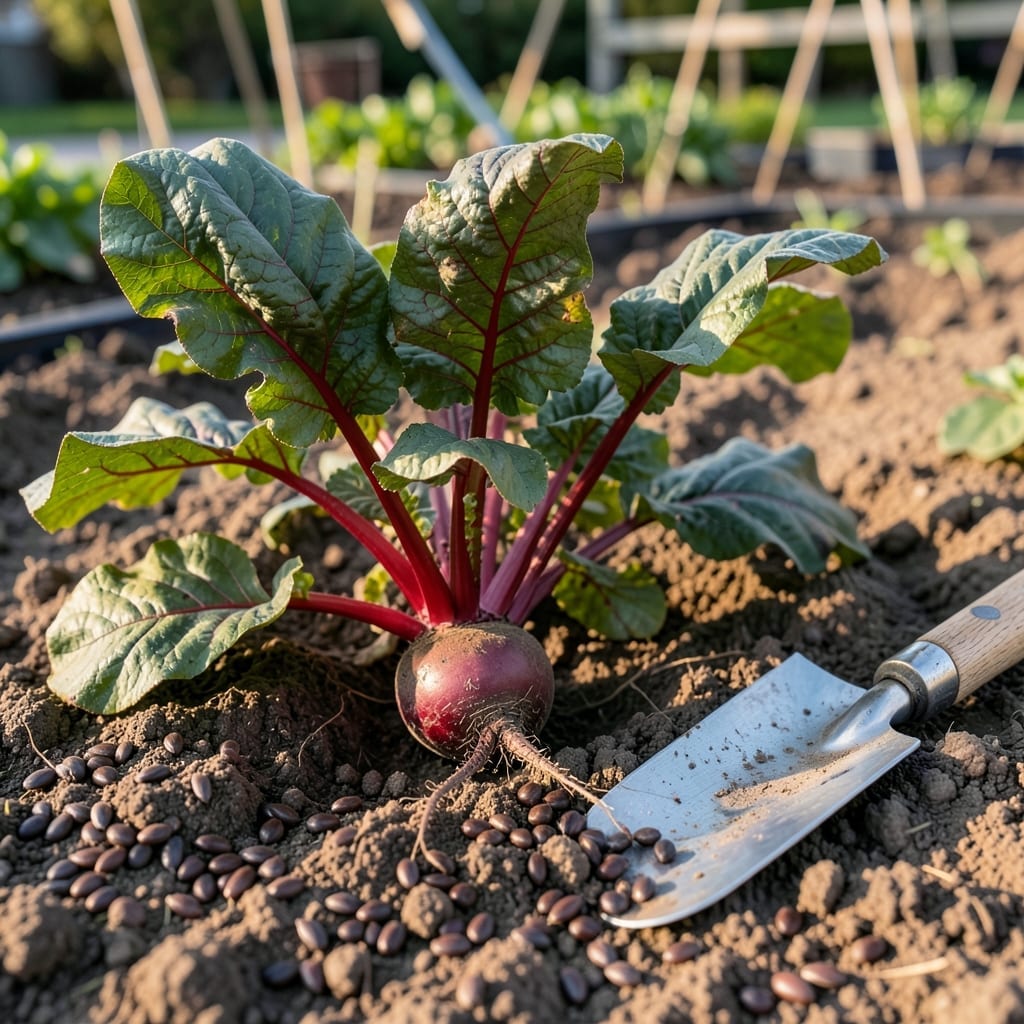
Timing is everything when it comes to growing sweet, tender Beet🍠 in Zone 6. Plant too early and frost may stunt them; too late and they’ll bolt in summer heat.
I’ve learned the hard way that getting the timing right makes all the difference. Whether you’re a seasoned gardener or just starting, knowing the ideal windows can save you from common pitfalls.
In Zone 6, you’ve got two prime opportunities to plant: early spring and late summer. Each offers unique advantages for a bountiful harvest of this versatile veggie.
Discover how to align your planting with nature’s rhythm. Let me walk you through the best practices to ensure your beets thrive from seed to table.
In Zone 6, I’ve found beets thrive with precise timing. The last frost date is typically around April 15, so I start sowing seeds 2-4 weeks before this date for an early spring crop. Beets are cold-hardy, so they can handle light frosts. ☀️
For a fall harvest, I plant again 8-10 weeks before the first frost, which is around October 15 in Zone 6. This ensures the roots mature before the cold weather sets in. Beets prefer soil temperatures between 40-85°F. 🌱
| Season | Planting Window | Harvest Window | Notes |
|---|---|---|---|
| Early Spring | March – Early April | June – July | Sow 2-4 weeks before last frost |
| Late Summer | August – Early September | October – November | Sow 8-10 weeks before first frost |
I always aim for soil temperatures of at least 40°F before planting. A soil thermometer is my go-to tool to check conditions. If the soil is too cold, seeds may rot or germinate slowly. 🌡️
For succession planting, I sow new seeds every 2-3 weeks until late spring. This extends my harvest window and prevents a glut of beets all at once. In fall, I stop planting by early September to allow enough time before frost.
Beets prefer full sun but tolerate partial shade, especially in hot summers. In Zone 6, I ensure they get at least 6 hours of sunlight daily for the best growth and sweetest flavor. ☀️
I’ve noticed that consistent moisture is key for tender beets. I water deeply once a week, ensuring the soil stays evenly moist but not waterlogged. Mulching helps retain moisture and keeps the soil cool. 💧
For the best results, I thin seedlings to 3-4 inches apart once they’re 2 inches tall. Overcrowding leads to small, tough roots. I also avoid high-nitrogen fertilizers, which can produce lush greens but small roots. ✂️
In Zone 6, companion plants like lettuce, onions, and bush beans work well with beets. They help deter pests and improve soil health. I avoid planting beets near pole beans, as they can stunt each other’s growth. 🌿
If you’re new to growing beets, start with easy-to-grow varieties like Detroit Dark Red or Golden Beets. These are reliable performers in Zone 6 and offer great flavor and texture. I’ve had consistent success with both. 🌱
In Zone 6, you can plant beets in early spring as soon as the soil is workable, typically 2-4 weeks before the last frost date (around April 15).
Beets thrive in cool weather and tolerate light frosts, but soil temps should be at least 40°F for germination. For a fall harvest, sow seeds 8-10 weeks before the first frost (around October 15).
| Planting Window | Key Details |
|---|---|
| Spring | March-April, 2-4 weeks before last frost |
| Fall | August-September, 8-10 weeks before first frost |
| Soil Temp | 40-85°F for germination |
| Frost Tolerance | High (light frosts OK) |
For succession planting, I sow new seeds every 2-3 weeks until mid-May to ensure a steady supply. This works well because beets mature in 45-75 days, depending on variety.
In Zone 6 summers, avoid planting during peak heat (July-August), as beets prefer cool conditions and may bolt. Instead, focus on fall plantings for sweet, tender roots.
If you’re starting indoors, begin 4-6 weeks before transplanting outside. However, beets prefer direct sowing since they don’t transplant well.
For best results, plant in full sun (6+ hours daily) and loose, well-draining soil. Beets grown in partial shade may produce smaller roots but still taste great.
🌱