
Beautiful Plants For Your Interior
Beautiful Plants For Your Interior
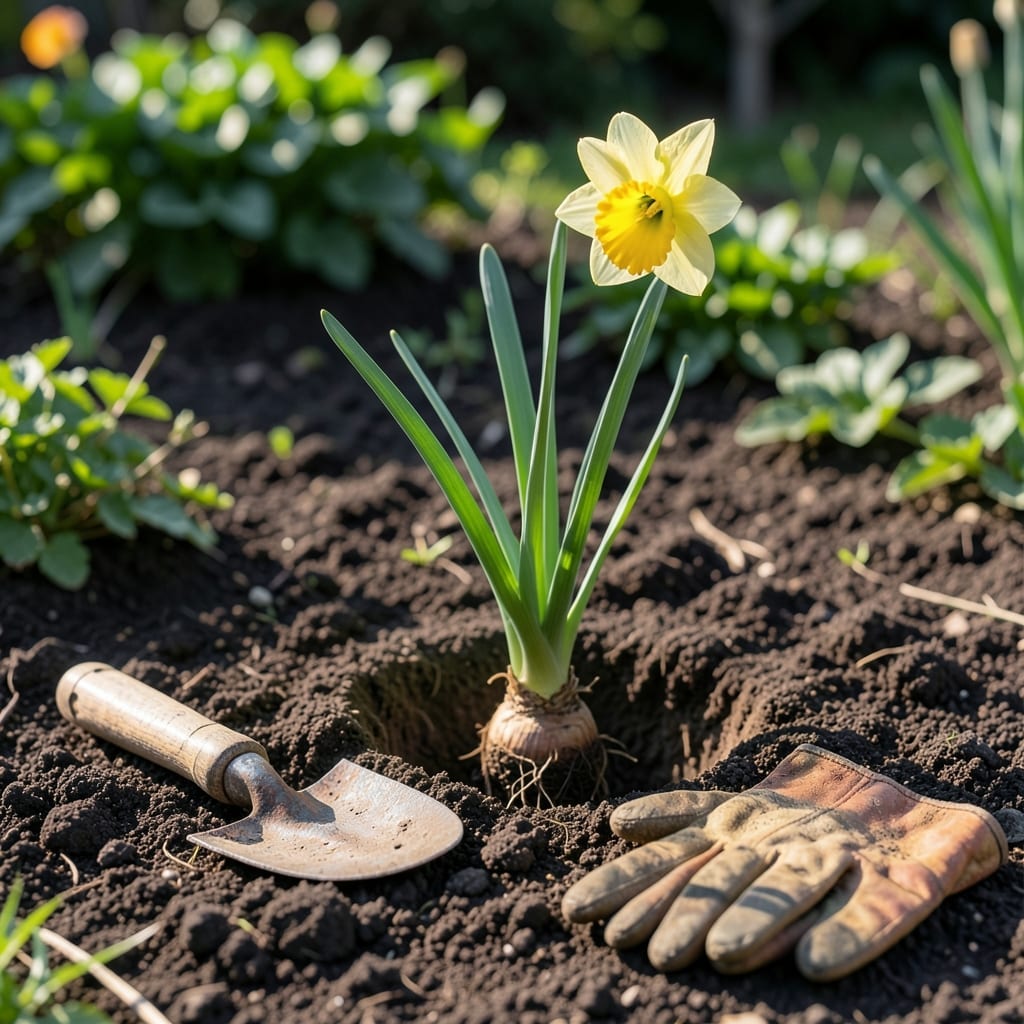
Transplanting Daffodil 🌼 bulbs at the wrong time can leave you with lackluster blooms or no flowers at all. I learned this the hard way after moving mine too late one season and watching them struggle the following spring.
Getting the timing right is the key to ensuring your Daffodils thrive. The secret lies in their natural growth cycle, particularly that crucial period after their foliage dies back.
Let me walk you through the best approach to give your bulbs the strongest start in their new home. You’ll be rewarded with vibrant, healthy blooms when spring arrives.
The best time to transplant Daffodils is after their foliage dies back, typically 6 weeks after blooming. This usually falls between early summer and early fall.
I always wait until the leaves turn yellow and start to wither. This signals that the bulb has stored enough energy for the next growing season.
| Stage | Action |
|---|---|
| Early Summer | Foliage begins yellowing |
| 6 Weeks Post-Bloom | Ideal transplanting window |
| September-October | Prime months for most zones |
| Before First Frost | Ensure roots establish |
In warmer climates, you might start as early as August. In cooler zones, aim for September through October. The key is giving roots time to settle before winter.
I’ve found that early fall works best in my Zone 6 garden. The soil is still warm, which helps root growth, but the air is cooler, reducing stress on the bulbs.
If you transplant too early, while leaves are still green, you risk stunting next year’s blooms. The bulb needs that foliage to photosynthesize and store energy.
Conversely, waiting until late fall or winter means the bulbs won’t establish properly. They need 4-6 weeks of root growth before the ground freezes.
For container-grown Daffodils, the same rules apply. Wait for foliage dieback, then move them to their new permanent spot in the garden or a larger pot.
I also recommend marking your bulbs with small flags when foliage dies back. This helps you locate them easily when it’s time to transplant.
Remember, Daffodils are hardy in Zones 3-8. If you’re in a milder climate, you might get away with transplanting a bit later, but early fall is still ideal.
With the right timing, your Daffodils will reward you with bigger, brighter blooms the following spring.
🌼
Once you’ve identified the right time to move your Daffodils, the next step is doing it correctly. I’ve refined my method over years to minimize bulb stress and maximize success.
Start by preparing the new location. Choose a spot with well-draining soil and full sun to partial shade. This mimics their natural growing conditions.
I always use a garden fork instead of a shovel to reduce damage to the bulbs. The tines slide between bulbs more easily than a flat shovel blade.
After lifting, check each bulb for firmness. Any that feel soft or mushy should be discarded as they may carry diseases that could spread to healthy bulbs.
When replanting, I space my Daffodil bulbs about 4-6 inches apart. This gives them room to multiply over the years while still creating a full display.
The planting depth is crucial. I aim for 6 inches deep, measuring from the base of the bulb. This depth provides insulation against temperature fluctuations.
🌼