
Beautiful Plants For Your Interior
Beautiful Plants For Your Interior
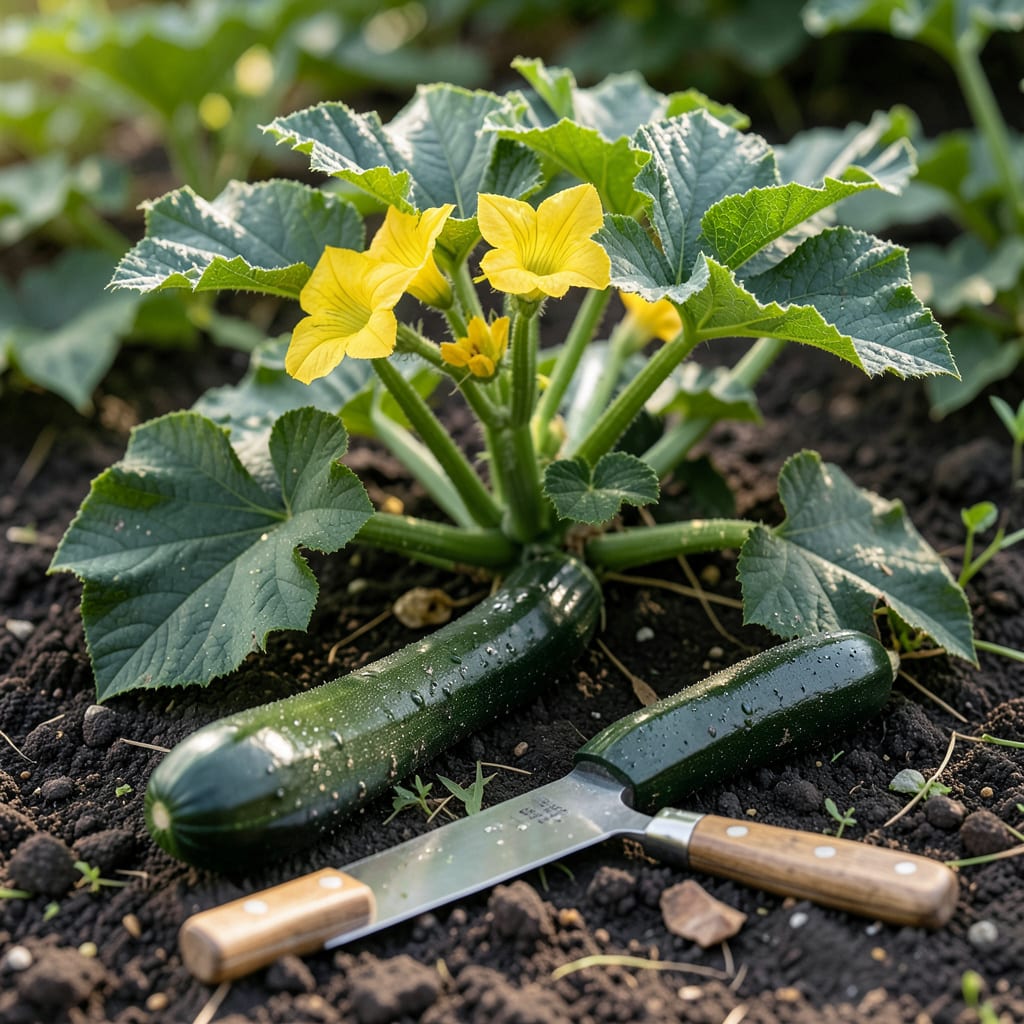
Nothing beats the satisfaction of plucking a perfectly ripe 🥒 zucchini from your garden at just the right moment. But how do you know it’s ready?
I’ll show you the simple visual and texture cues that guarantee a tender, flavorful harvest every time. Let’s discover what to look for before you pick.


Timing your zucchini harvest perfectly means watching for key visual clues. The most reliable sign is size—aim for fruits that are 6-8 inches long and about 2 inches in diameter. At this stage, the flesh is tender and the seeds are small.
Next, examine the skin texture. A ripe zucchini will have a glossy, firm surface that resists light pressure when gently squeezed. The color should be deep green or yellow, depending on the variety, with no dull patches.
| Sign | Description |
|---|---|
| Size | 6-8 inches long, 2 inches wide |
| Skin | Glossy and firm to touch |
| Color | Deep green or yellow, consistent hue |
| Stem | Soft and easy to cut with a knife |
The stem condition is another giveaway. A ripe zucchini will have a stem that’s still soft enough to slice through with a sharp knife, but not woody. If the stem feels hard, the squash is likely overripe.
I also check the flower end. The blossom should be wilted and dry, not fresh and open. This indicates the fruit has matured past the flowering stage and is ready for picking.
Don’t wait for zucchini to grow larger than 8 inches. Beyond this size, they develop tough skins and large, fibrous seeds, which make them less pleasant to eat fresh. Smaller fruits are more tender and flavorful.
For best results, I harvest in the morning when the plants are hydrated. Use a clean, sharp knife or pruners to cut the stem, leaving about an inch attached. Avoid twisting the fruit off, as this can damage the plant.
If you’re growing yellow zucchini, the same size rules apply, but the color will be a bright, uniform yellow. The glossy sheen should still be present, regardless of the variety.
Remember that zucchini grow quickly, often adding an inch or more in length per day during peak season. Check your plants daily to avoid missing the perfect window for harvesting.
By focusing on these size, texture, and color cues, you’ll consistently pick zucchini at its peak of tenderness and flavor. Happy harvesting! 🌱
Even experienced gardeners can make costly errors when picking zucchini. The most common mistake is waiting too long to harvest. Once zucchini exceed 8 inches, they become tough and seedy, losing their tender texture.
Another frequent issue is picking too early. If the fruit is under 4 inches, it hasn’t developed enough flavor or substance. I always check the flower end—if it’s still fresh, the zucchini needs more time.
⚠️ Harvesting Warning
Never twist zucchini off the vine—this can damage the plant and reduce future yields. Always use a sharp knife or pruners to cut the stem cleanly.
I’ve also seen gardeners damage plants by using dull tools. A clean, sharp knife prevents crushing the stem, which can invite disease. Always sanitize your tools between cuts to avoid spreading pathogens.
Don’t forget to check plants daily during peak season. Zucchini can grow 2 inches in a day, so missing a day might mean missing the perfect harvest window. I set a morning routine to inspect my plants.
Finally, avoid harvesting in extreme heat. Picking during the cool morning hours reduces stress on both you and the plants. The fruits will also be more hydrated and easier to handle.
By steering clear of these common pitfalls, you’ll ensure a steady supply of tender, high-quality zucchini all season long. Happy gardening! 🌿
Once you’ve harvested your perfect zucchini, proper storage is key to maintaining freshness. I recommend using them within 3-5 days for the best flavor and texture. Store unwashed zucchini in a perforated plastic bag in the fridge’s crisper drawer.
For longer storage, consider freezing. First, wash and slice the zucchini into ½-inch rounds. Blanch the slices in boiling water for 1-2 minutes, then plunge them into ice water to stop the cooking process. Pat dry and freeze in a single layer before transferring to airtight containers.
If you have a bountiful harvest, share with neighbors or preserve by pickling. I like to use my fresh zucchini in garden-to-table dishes immediately. Remember, the sooner you use them after picking, the better the texture and flavor will be.
Avoid washing zucchini until you’re ready to use it, as excess moisture speeds up spoilage. If you notice any soft spots or wrinkling, use those first, as they won’t keep as long.
By following these simple storage tips, you can enjoy your hard-earned harvest for days or even months to come. Happy gardening! 🌱
If it’s over 8 inches long, it’s likely overripe. Larger ones develop tough skins and big seeds. Stick to 6-8 inches for the best texture and flavor.
No, wait until the blossom wilts and dries. A fresh flower means it’s not mature enough. The fruit needs time to develop its full flavor and firmness.
A dull or pale skin signals it’s not ripe yet. Ripe zucchini should have a glossy, deep green or yellow surface. Check again in a day or two.
Avoid washing until you’re ready to use it. Excess moisture speeds up spoilage. Store unwashed in a perforated bag in the fridge for 3-5 days.
