
Beautiful Plants For Your Interior
Beautiful Plants For Your Interior
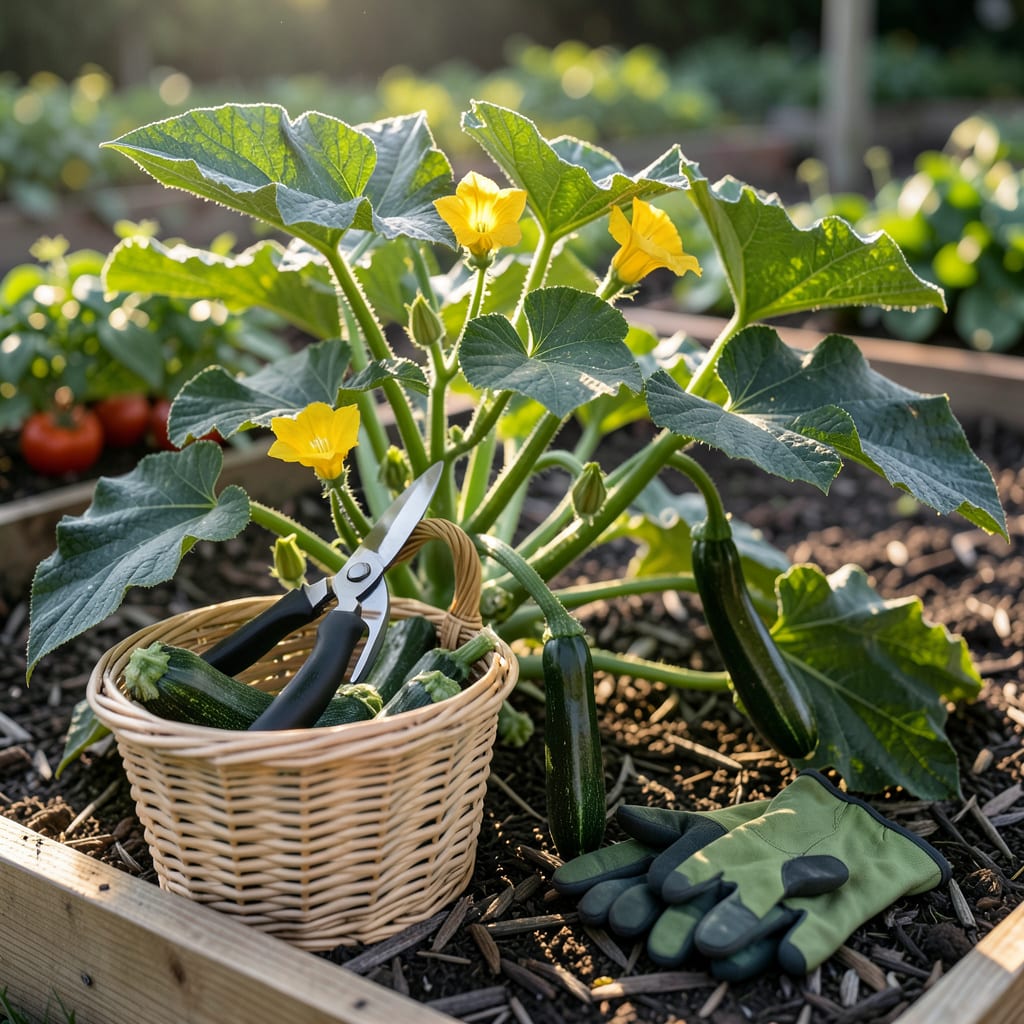
There’s nothing worse than watching your zucchini transform from a tender, flavorful delight into a bitter, seedy monster—all because you waited too long to pick it. I’ve been there, staring at my overgrown 🥒 wondering where I went wrong.
The good news? Nailing that perfect harvest window is easier than you think. In just a few minutes, I’ll show you the exact visual cues and timing tricks to ensure every zucchini you pick is crisp, sweet, and ready for your favorite recipes. Let’s get started.


I’ll let you in on a secret: zucchini grows faster than you’d think, often doubling in size overnight. That’s why checking your plants daily is crucial. The perfect window for picking is when the fruit is 6-8 inches long—any longer, and you risk tough skin and oversized seeds.
But size isn’t the only clue. A ripe zucchini will have a glossy, deep green skin and feel firm yet slightly yielding when gently squeezed. If the skin looks dull or the fruit feels rock-hard, it’s not ready. Let’s break down the visual and tactile cues so you’ll never second-guess again.
| Stage | Size | Skin Texture | Stem Attachment |
|---|---|---|---|
| Not Ready 🟢 | Under 4 inches 📏 | Dull, light green | Hard to detach |
| Perfect! ✅ | 6-8 inches ✂️ | Glossy, deep green | Twists off easily |
| Overripe ❌ | 10+ inches 📏 | Tough, matte skin | Requires cutting |
Tip: Check plants every morning—zucchini grows 1-2 inches per day in peak season!
One of my favorite tricks is the gentle twist test. If the zucchini detaches with a light twist, it’s ready. If you’re wrestling with it, give it another day. This method prevents stem damage, which can invite pests or disease.
Don’t forget to examine the flower end (opposite the stem). A ripe zucchini will have a slightly soft blossom scar, while an unripe one feels firm and closed. This small detail makes a big difference in texture after picking.
Timing matters too! Zucchini typically reaches harvest size 45-55 days after planting. If you planted in late May, expect your first harvest by mid-July. Keep a gardening journal to track growth patterns year over year.
I’ve found that morning harvesting yields the crispiest zucchini. The fruit is fully hydrated after cool night temps, making it firmer and easier to cut. Plus, you’ll avoid the midday heat that can stress the plant.
Watch for color consistency—a ready zucchini should be uniformly green. Yellow patches or streaks often indicate overripeness or uneven sunlight. Rotate your plants weekly if you notice color variations.
Remember, the more you pick, the more your plant will produce. I aim to harvest every 2-3 days during peak season. This prevents energy from going into oversized fruits and encourages new blossoms to form.
If you spot a giant zucchini hiding under leaves, don’t despair! While it won’t be tender for fresh eating, you can still use it for grating into breads or composting. Just be sure to remove it to redirect energy to younger fruits.
Pro tip: Use clean pruners or a sharp knife to harvest. I wipe my tools with rubbing alcohol between cuts to prevent spreading diseases. Always leave a 1-inch stem on the fruit to extend shelf life.
Timing isn’t just about when to pick—it’s also about what time of day yields the best results. I always harvest my zucchini in the early morning, right after the dew dries but before the sun gets intense. This is when the fruit is most hydrated and crisp.
The cooler morning temperatures help the zucchini retain its firm texture and vibrant color. If you wait until midday, the heat can make the fruit softer and more prone to bruising. Plus, your plants will thank you for avoiding the stress of midday handling.
Use a sharp knife or pruners for clean cuts that heal quickly.
I recommend using clean pruners or a sharp knife rather than twisting the fruit off. A clean cut minimizes damage to the plant and reduces the risk of disease. Always sterilize your tools with rubbing alcohol between uses—this simple step prevents the spread of pathogens.
Leave about 1 inch of stem attached to the zucchini. This helps seal moisture inside the fruit and extends its shelf life. If you’re storing your harvest, place unwashed zucchini in a perforated plastic bag in the fridge’s crisper drawer for up to a week.
For immediate use, I like to rinse the zucchini under cool water and pat it dry. Avoid soaking it, as excess moisture can dilute the flavor. If you’re not using it right away, store it whole—slicing accelerates spoilage.
Remember that frequent harvesting encourages more production. I check my plants every morning during peak season and harvest every 2-3 days. This prevents the plant from putting energy into oversized fruits and keeps the production cycle going strong.
If you notice yellowing leaves or slowed growth after harvesting, give your plant a boost with a balanced fertilizer (10-10-10). Water deeply afterward to help the nutrients reach the roots. This keeps your zucchini plant productive well into fall.
I’ve made this mistake more times than I’d like to admit: turning my back on the garden for just two days and returning to find baseball-bat-sized zucchini hiding under the leaves. While it might seem impressive, an overripe zucchini is a garden disappointment in disguise.
When zucchini grows beyond 8-10 inches, the skin becomes tough and woody, the seeds turn large and bitter, and the flesh loses its tender texture. What was meant to be a crisp, sweet addition to your meals becomes a chewy, seedy letdown. Even worse, the plant wastes energy on these giants instead of producing new fruits.
Remove overripe zucchini ASAP to redirect energy to new growth!
An overgrown zucchini doesn’t just affect your harvest—it can stress the entire plant. The weight of giant fruits can bend stems, and the plant may drop leaves prematurely. I once had a zucchini so heavy it snapped a main stem, cutting my season short by weeks.
If you do end up with a monster zucchini, don’t toss it! The seeds inside are fully mature and perfect for saving. Simply scoop them out, rinse, and dry on a paper towel for next year’s planting. The flesh can still be grated for baked goods or added to compost.
To prevent this, I set a phone reminder to check my zucchini plants every morning during peak season. A quick scan under the leaves reveals hiding fruits. I also use plant markers to note when I last harvested, helping me track growth rates.
Remember, zucchini plants are prolific producers—but only if you stay on top of harvesting. I’ve found that removing overripe fruits immediately often triggers a new flush of blossoms within days. Keep your plants picked clean, and they’ll reward you with tender, flavorful zucchini all season long. 🌱
Check your plants daily during peak season. Zucchini can grow 1-2 inches per day in warm weather! Morning inspections are best, as the fruit is easiest to spot when dew is still present.
Store unwashed zucchini in a perforated plastic bag in your fridge’s crisper drawer. It’ll stay fresh for 5-7 days. Avoid washing until ready to use—moisture speeds up spoilage.
While you can harvest baby zucchini (4-6 inches), they’re less flavorful than mature ones. Wait until they reach 6-8 inches for optimal sweetness and texture. Smaller sizes work well for stir-fries though!
Bitterness usually means it was picked too late. Overripe zucchini develops large seeds and tough skin. Harvest at 6-8 inches for best flavor, and remove any giant fruits immediately to prevent this.
Regular harvesting signals the plant to produce more. I harvest every 2-3 days during peak season. This prevents energy from going into oversized fruits and keeps production steady.
