
Beautiful Plants For Your Interior
Beautiful Plants For Your Interior
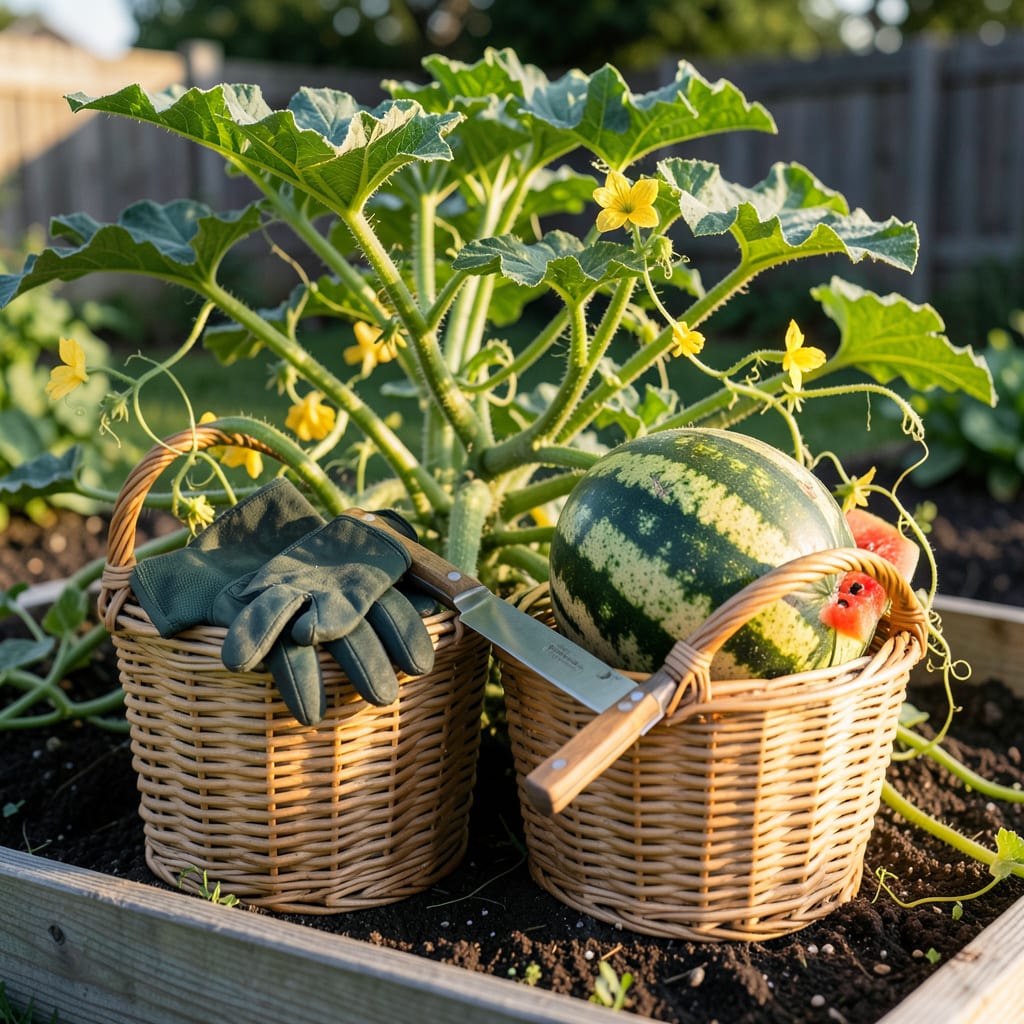
Nothing beats the disappointment of cutting into a watermelon only to find it underripe—or worse, mushy and overripe. After months of tending your vines, knowing the exact moment to harvest makes all the difference between a sugar-sweet reward and a bland letdown.
I’ve tested every trick—from the classic thump test to checking tendrils—and narrowed it down to five foolproof signs that guarantee peak ripeness. Whether you’re growing ‘Sugar Baby’ or ‘Crimson Sweet,’ these cues will help you pick your 🍉 at its juiciest, every single time.


After months of tending your watermelon vines, the moment of truth arrives: determining if your melons are ripe. Unlike tomatoes or peppers, watermelons don’t continue ripening after picking, so timing is everything. I’ve learned the hard way that guessing leads to disappointment—either a bland, underripe melon or a mushy, overripe one.
The good news? Your watermelon sends clear signals when it’s ready. From the tendril test to the famous “thump,” these signs are foolproof once you know what to look for. Let’s break down each indicator so you can harvest with confidence. 🍉
The curly tendril near the stem is my go-to first check. When it turns brown and crispy, the melon has stopped receiving nutrients and is nearing ripeness. But don’t rely on this alone—some varieties keep green tendrils even when ripe. Pair this with the ground spot test for better accuracy.
Flip your watermelon over and examine the ground spot—the area touching the soil. A ripe melon will have a creamy yellow or orange spot, not white or pale green. This color change happens because the fruit’s sugars concentrate as it matures. No yellow spot? Give it a few more days in the sun.
Next, run your fingers over the rind’s surface. An unripe watermelon feels smooth and slightly shiny, while a ripe one develops a dull, rough texture. This happens because the fruit secretes a waxy coating at peak ripeness. It’s subtle but noticeable once you compare a few melons side by side.
The stem test is often overlooked but incredibly telling. Gently wiggle the stem where it meets the fruit. If it starts to separate or you see small cracks, the melon is ready. Avoid pulling hard—if it doesn’t come off with light pressure, it needs more time. Forcing it can damage the vine and other fruits.
Finally, the famous thump test requires practice but becomes second nature. Tap the melon with your knuckles—a deep, hollow sound means it’s ripe, while a metallic “ping” indicates immaturity. I like to compare sounds between melons to train my ear. Pro tip: Thump the side of the melon, not the top, for the clearest sound.
For varieties like ‘Sugar Baby’ (75 days) or ‘Crimson Sweet’ (85 days), I also track days from pollination. Most watermelons need 30-50 days after flowering to mature, depending on the type. Jot down flowering dates in your gardening journal to cross-reference with these visual signs.
Remember, no single test is 100% reliable—combine at least 3 signs for the best results. If the tendril is brown, the ground spot is yellow, and the thump sounds hollow, you’ve got a winner. Still unsure? Leave it on the vine another 2-3 days and check again. It’s better to wait than to rush! 🌱
Even experienced gardeners sometimes misjudge watermelon ripeness. The most common mistake? Relying solely on size. A watermelon might look full-grown but still be underripe inside. I’ve seen gardeners harvest ‘Sugar Baby’ melons at baseball size, only to find pale, watery flesh.
Another pitfall is ignoring the ground spot. This yellow or cream-colored patch where the melon rests on the soil is your best visual clue. If it’s still white or pale green, walk away—your watermelon needs more time. Trust me, a bright yellow spot means sweetness is locked in! 🌱
I’ve also seen gardeners wait too long because they’re afraid of picking early. Overripe watermelons develop a dull thud when thumped and may split open. The tendril test helps here: if the curly stem near the fruit is completely brown and dry, harvest within a day or two.
Don’t forget the weight test! A ripe watermelon feels heavy for its size because it’s full of juice. Lift a few at the store to train your arm—you’ll start recognizing that satisfying heft in your garden. I like to compare two similar-sized melons; the heavier one is usually riper. 💧
Timing matters too. Most watermelons need 70–90 days from planting to harvest. If you planted ‘Crimson Sweet’ seeds in late May, don’t expect ripe fruit before mid-August. Keep a planting calendar to avoid impatient picking!
Finally, watch the weather. A sudden heatwave can speed up ripening, while cool spells slow it down. I once lost a near-perfect melon to an early frost because I hesitated. When in doubt, harvest slightly early and let it ripen indoors at room temperature for a few days. ✂️
You’ve checked the tendrils and ground spot, but you’re still unsure. That’s where the non-destructive tests come in—methods that let you assess ripeness without slicing into your hard-earned melon. I’ve refined these techniques over years of trial and error, and they’re game-changers for confidence at harvest time.
The thump test is the most famous, but it’s also the most misunderstood. A ripe watermelon produces a deep, hollow echo, like a bass drum. An unripe one sounds more metallic or high-pitched. To practice, thump a few at your local farmers’ market—you’ll quickly train your ear to recognize the difference. 🍉
The stem twist test is my personal favorite because it’s so definitive. Hold the watermelon steady with one hand and gently twist the stem with the other. If it begins to separate or you feel slight give, it’s ready. If the stem stays firmly attached, check again in 48 hours. This test works because the fruit naturally detaches from the vine when fully mature.
For the weight test, consistency is key. Always use your dominant hand to lift melons—this helps you detect subtle differences. A ripe watermelon feels surprisingly heavy for its size because it’s packed with juice. I like to compare two melons of similar diameter; the one that feels denser is almost always riper. This method is especially useful for larger varieties like ‘Carolina Cross’.
Combine these tests with the visual cues from earlier—like the dull rind and yellow ground spot—for near-perfect accuracy. If two out of three tests confirm ripeness, you’re safe to harvest. Still hesitant? Leave it on the vine one more day and retest. Watermelons won’t improve after picking, so patience pays off in flavor! 🌿
Pro tip: Test your melons in the early morning when temperatures are cooler. Heat can temporarily soften the rind, making unripe melons feel deceptively ready. And always handle them gently—rough treatment can bruise the fruit or damage the vine. With practice, you’ll develop an instinct for that perfect harvest window. ✂️
Most watermelons need 30-50 days after flowering to reach full ripeness. Smaller varieties like ‘Sugar Baby’ mature faster (around 75 days total), while larger types like ‘Crimson Sweet’ may take up to 90 days. Track flowering dates to estimate harvest time.
Unlike tomatoes, watermelons won’t ripen further after picking. If harvested early, the flesh stays pale and bland. Always wait for the tendril to brown and the ground spot to yellow before harvesting. Patience ensures maximum sweetness!
A hollow thump indicates ripeness, but flavor depends on sugar development. If your melon lacks sweetness, it might have been underwatered or harvested too soon after a rain. Ideal ripening requires consistent moisture and warm temperatures.
Pick in the early morning when temperatures are cool. This preserves crispness and prevents heat stress. Use clean pruners to cut the stem, leaving 1-2 inches attached. Avoid pulling—this can damage the vine or other fruits still growing.
