
Beautiful Plants For Your Interior
Beautiful Plants For Your Interior
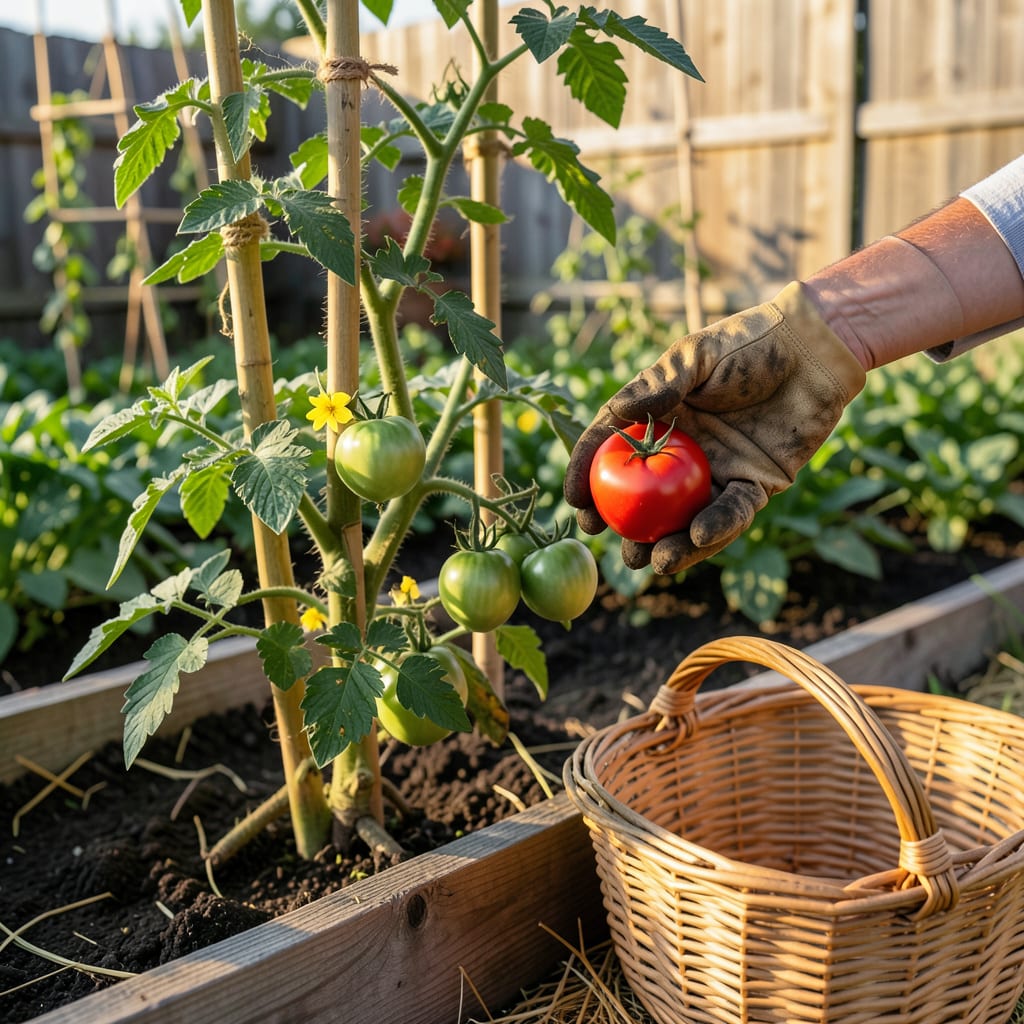
There’s nothing quite like the taste of a perfectly ripe tomato straight from your garden—juicy, sweet, and bursting with flavor. But knowing exactly when to pluck those 🍅 from the vine? That’s where many gardeners second-guess themselves.
I’ve learned the hard way that timing is everything. Pick too soon, and you miss out on that sun-ripened sweetness; wait too long, and you risk split skins or hungry critters beating you to the harvest. Let me show you the foolproof signs to watch for this season.


Nothing beats the satisfaction of harvesting vine-ripened tomatoes at their peak. But here’s the catch: not all tomatoes show they’re ready the same way. Heirloom varieties might stay green when ripe, while cherry tomatoes turn bright red almost overnight. I’ll walk you through the telltale signs.
First, forget the “red means ready” rule—it’s only half true. Color changes are your first clue, but texture and stem condition matter just as much. A perfectly ripe tomato should feel slightly soft when gently squeezed, like a well-inflated stress ball. Too firm? It needs more time.
*Days to maturity count from transplanting outdoors in USDA Zone 6.
For heirloom tomatoes, color isn’t always reliable. My Green Zebra tomatoes stay striped green even when ripe! Instead, check the bottom of the fruit—it should turn slightly yellow or cream-colored. And don’t forget the “squeeze test”: gently press the tomato. If it yields slightly, it’s ready.
Climate plays a huge role too. In hotter zones, tomatoes may ripen faster but develop less flavor. I’ve noticed my Brandywine tomatoes take an extra week to fully sweeten in cooler summers. If your area has wild temperature swings, watch for cracking—that’s a sign to harvest immediately, even if color isn’t perfect.
The stem connection tells a story too. A ripe tomato will part easily from the vine with a gentle twist. If you’re wrestling with it, leave it another day. For cluster tomatoes like Sweet 100s, I harvest the whole truss when 70% are ripe—the rest will color up indoors.
Here’s a pro trick: Morning harvesting gives you the best flavor. Tomatoes picked in the cool morning hours retain more sugars. I keep a small basket by my garden gate and do my tomato checks before 9 AM. The difference in taste is noticeable, especially with slicing varieties like Big Boy.
Watch out for “shoulder” discoloration—green or yellow patches at the stem end. This happens when tomatoes ripen too quickly in hot weather. While not ideal, these are still edible. To prevent it, ensure consistent watering and provide afternoon shade during heat waves.
If you’re growing paste tomatoes like San Marzano, let them get fully red but still firm. They’ll continue ripening off the vine, but their meaty texture is best when harvested at this stage. I lay them on a windowsill for 2-3 days to intensify their flavor before using.
Remember, size matters but isn’t everything. A full-sized tomato that’s still green won’t ripen properly off the vine. But if frost is coming, harvest all mature green tomatoes and ripen them indoors in a paper bag with a banana. The ethylene gas will speed up the process beautifully.
Finally, trust your senses. A ripe tomato will have a sweet, earthy aroma at the stem end. If it smells grassy or bland, give it more time. I’ve found that smell test works wonderfully for yellow varieties like Lemon Boy, where color changes are more subtle.
Timing your tomato harvest isn’t just about flavor—it affects texture, shelf life, and even how well your plants keep producing. I’ve ruined more than a few batches by being impatient (or forgetful!). Picking too soon leaves you with hard, acidic fruit that never quite sweetens up, even indoors.
On the flip side, leaving tomatoes on the vine past their prime invites trouble. Overripe fruit becomes mushy and mealy, attracts pests, and can even stress the plant by diverting energy from new growth. In hot climates, they’ll split open overnight—trust me, I’ve lost entire harvests this way.
Pro Tip: Cherry tomatoes ripen fastest—check daily once they start coloring! 🌱
Here’s the good news: underripe tomatoes can often be saved. Place them in a paper bag with a ripe banana or apple (the ethylene gas speeds ripening). Keep them at room temperature—never refrigerate unripe tomatoes, or they’ll stay mealy forever.
For overripe tomatoes, don’t toss them! They’re perfect for sauces, soups, or sun-drying. Just remove any moldy spots first. If your tomatoes cracked on the vine, harvest immediately—those openings invite bacteria and shorten storage life.
Watch your local weather forecast too. If a heatwave or heavy rain is coming, pick slightly early. Tomatoes ripen faster in 85°F+ temps, while excess rain causes cracking. I use a simple trick: harvest in the early morning when fruits are firmest.
Remember, heirloom varieties often show ripeness differently than hybrids. When in doubt, do the “squeeze test”: gently press the tomato. If it yields slightly like a ripe avocado, it’s ready. No give? Wait another day or two. Your patience will pay off in flavor! ✂️
Harvesting tomatoes should never feel like a wrestling match with your plants. I’ve learned through trial and error that the right technique preserves both your fruit and the vine for future harvests. The key is in the gentle twist-and-lift motion that nature designed.
First, always check if the tomato is ready to release. A ripe tomato will come away with just a light twist and slight upward pull. If you’re yanking or hearing stem fibers tear, that’s your sign to wait another day. For stubborn tomatoes, I keep a small pair of clean pruners in my harvesting basket.
Bonus Tip: Harvest in early morning when plant tissues are most turgid (full of water) for easiest separation. 🌱
Timing your harvest matters too. I always pick tomatoes when both the fruit and leaves are dry to minimize disease spread. Wet plants are more prone to fungal infections through fresh stem wounds. If you must harvest after rain, gently pat the fruit dry with a clean cloth.
For indeterminate varieties that keep growing, focus on harvesting from the lower clusters first. This redirects energy to upper fruit production. I use a color-coded twist tie system to mark which clusters I’ve already checked—red for ready, green for not-quite-there.
Watch your grip strength! Tomato skins bruise easily, especially in heirloom varieties. I practice the “egg test”—if I can’t hold an egg without cracking it, I’m gripping my tomatoes too hard. Support the fruit from below rather than squeezing the sides to avoid those disappointing pressure bruises.
Finally, invest in the right tools. A harvesting apron with pockets keeps both hands free while protecting your clothes from sap stains. I also recommend microfiber gloves for those with sensitive skin—tomato leaves can be irritating! With these techniques, you’ll enjoy bountiful harvests without sacrificing plant health. ✂️
Mature green tomatoes (full-sized with a glossy skin) will ripen indoors. Place them in a paper bag with a banana or apple at room temperature. Check daily—they’ll typically ripen within 1-2 weeks.
Certain varieties like Green Zebra or Aunt Ruby’s German Green remain green when fully ripe. Check the bottom of the fruit—it should turn slightly yellow or cream-colored. The “squeeze test” works best for these.
Early morning is ideal, when temperatures are cool and plants are fully hydrated. Tomatoes picked before 9 AM retain more sugars and have better flavor. Avoid harvesting when plants are wet to prevent disease spread.
Yes! Place underripe tomatoes in a cardboard box with a ripe banana or apple. The ethylene gas will accelerate ripening. Keep them at 65-70°F and check daily. Never refrigerate unripe tomatoes—it ruins their texture.
Consistent watering is key—aim for 1-2 inches per week. Mulch around plants to maintain even moisture. In hot climates, provide afternoon shade to slow rapid ripening. Harvest immediately if you see cracks forming.
