
Beautiful Plants For Your Interior
Beautiful Plants For Your Interior
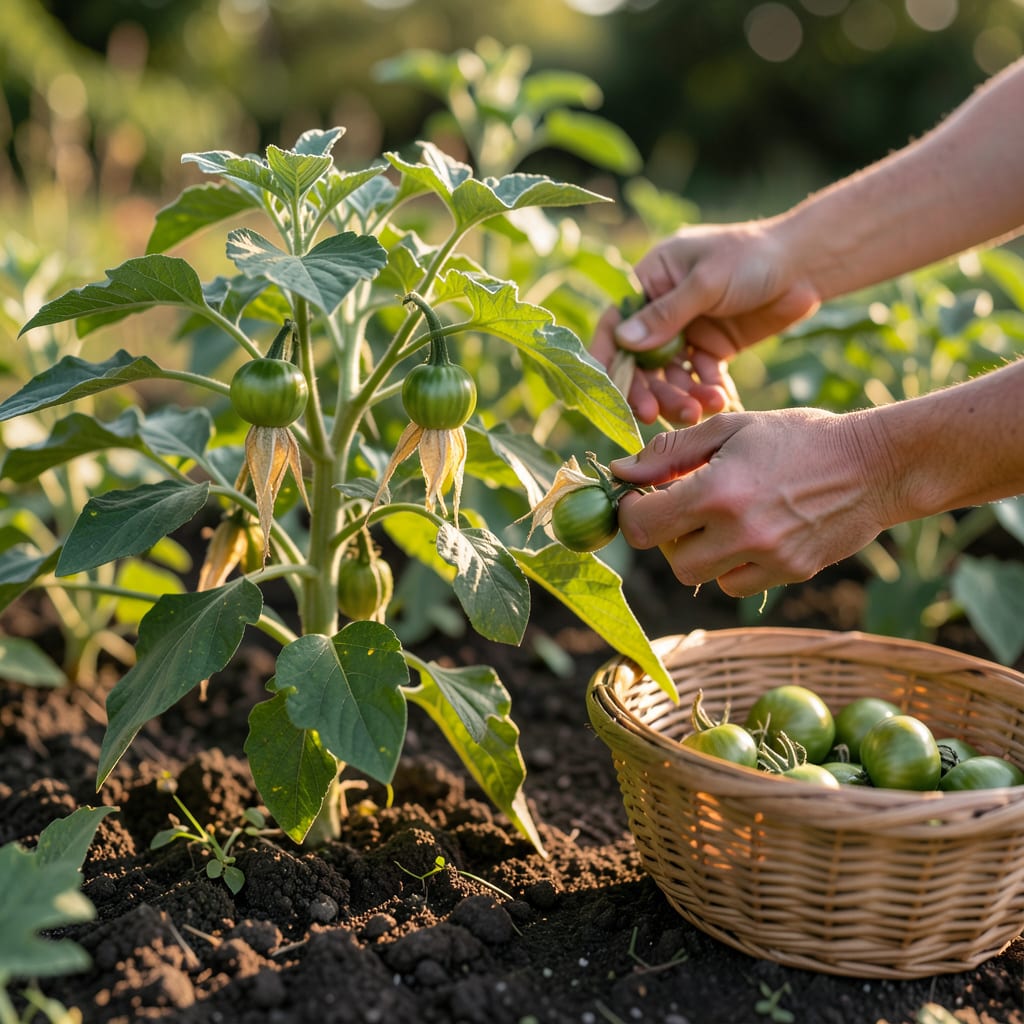
I remember the first time I picked a tomatillo too early – that tart bite was a wake-up call. With the 🍅 Tomatillo, timing is everything for that perfect sweet-tangy flavor.
From July to October, watch for husks turning brown and splitting open. That’s your sign they’re ready to transform your salsa verde.


I’ve learned that tomatillos don’t ripen like typical fruits—they hide their readiness under a protective husk. The first clue is the husk color: it shifts from vibrant green to tan or brown as maturity nears.
Another telltale sign is the husk splitting open, revealing the fruit inside. This usually happens when the tomatillo is fully grown, typically reaching 1-2 inches in diameter. The fruit itself may turn bright green, yellow, or even purple, depending on the variety. 🌱
| Ripeness Sign | Description |
|---|---|
| Husk Color | Turns brown or tan |
| Husk Condition | Dries out and splits open |
| Fruit Size | 1-2 inches in diameter |
| Fruit Color | Green, yellow, or purple |
| Fruit Feel | Firm but slightly soft |
If the husk remains tightly closed and bright green, your tomatillos aren’t ready yet. The fruit inside will be small and hard, lacking the sweet-tangy flavor you’re aiming for. Patience is key here.
I always check the fruit’s firmness by gently squeezing it through the husk. A ripe tomatillo feels plump and firm, not rock-hard or mushy. If it gives slightly under pressure, it’s likely ready to pick.
Don’t rely solely on husk color—some varieties have green husks even when ripe. Instead, look for the husk to dry and split naturally. This is nature’s way of saying, “Go ahead, pick me!”
Another trick I use is the stem check. A ripe tomatillo often has a dried stem where it attaches to the plant. If the stem is still green and flexible, the fruit may need more time.
For purple or yellow varieties, the color change is more obvious. Green tomatillos can be trickier, but they’ll develop a slightly sticky surface when ripe. This is normal and a good indicator of readiness.
If you’re still unsure, try the taste test. Pick one and sample it—ripe tomatillos have a bright, citrusy flavor with just a hint of sweetness. If it’s overly tart, leave the rest on the plant a little longer. 🌿
Remember, tomatillos ripen from the inside out. Even if the husk looks ready, the fruit might still be maturing. Give it a few extra days if you’re on the fence. The wait is worth it for that perfect flavor!
I always use the gentle squeeze test first. A ripe tomatillo feels firm but yields slightly when pressed through its husk. If it’s rock-hard, it needs more time on the vine.
Next, check the husk separation ease. A ready tomatillo will have a dry, papery husk that peels back easily. If it’s still clinging tightly, the fruit isn’t mature enough yet.
The stem check is another reliable method. As tomatillos ripen, the stem dries out and becomes brittle. A green, flexible stem means the fruit isn’t ready for harvest.
For absolute certainty, I recommend the taste test. Pick one and sample it – ripe tomatillos have a distinctive bright, citrusy flavor with balanced sweetness. 🌱
If you’re still uncertain, compare fruits on the same plant. Ripe tomatillos will be noticeably larger and have a duller, more mature color than their unripe neighbors.
Remember, tomatillos continue to ripen slightly after picking, but they won’t develop their full flavor potential if harvested too early. When in doubt, give them a few more days on the vine.
I’ve seen many gardeners make the same mistake with tomatillos: picking them based solely on husk color. A green husk doesn’t always mean unripe—some varieties stay green even when ready.
Another common error is ignoring the fruit’s firmness. If the tomatillo feels soft or mushy, it’s likely overripe or spoiled. A ripe tomatillo should feel plump and firm through the husk.
⚠️ Warning: Harvesting too early results in tart, underdeveloped fruit. Always check husk condition, size, and firmness together.
Harvesting before the tomatillo fills its husk is another pitfall. If the fruit is small and doesn’t touch the husk walls, it needs more time. Wait until it completely fills the space inside.
Some gardeners also overlook the stem’s condition. A green, flexible stem often means the fruit isn’t ready. Look for a dried, brittle stem as a sign of maturity.
Lastly, don’t rush the process. Tomatillos take 75-90 days to mature. Picking too soon robs you of that perfect sweet-tangy flavor. When in doubt, wait a few more days. 🌱
Look for a dry, papery texture and brown color. The husk should split open naturally, revealing the fruit inside. If it’s still green and tight, wait a few more days.
They typically reach 1-2 inches in diameter when fully mature. The fruit should completely fill the husk, feeling plump when gently squeezed through the husk.
Some varieties stay green even when ripe. Focus on the husk splitting and the fruit filling the space inside. A taste test can confirm if it’s ready.
Expect 75-90 days from planting to harvest. They won’t develop their full sweet-tangy flavor if picked too early, so be patient.
