
Beautiful Plants For Your Interior
Beautiful Plants For Your Interior
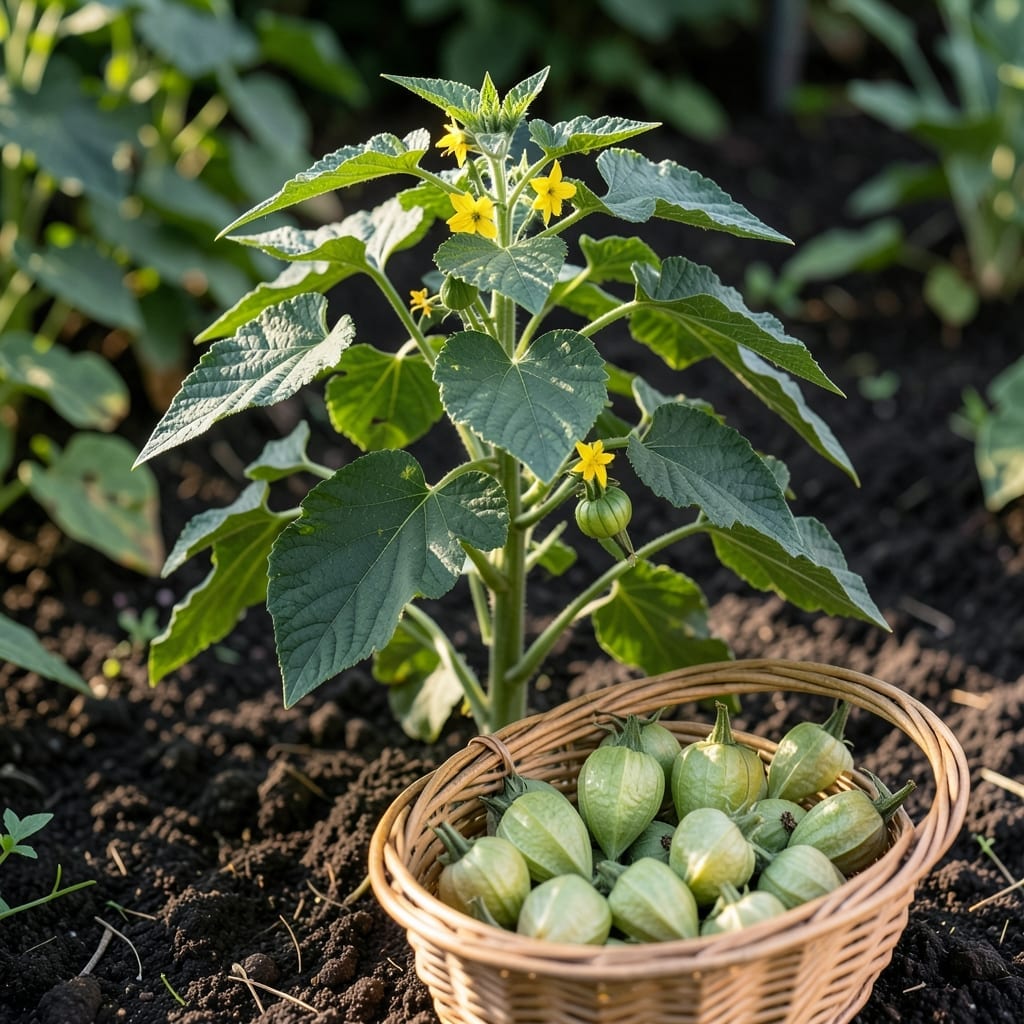
If you’ve ever wondered when to expect fresh tomatillos from your garden, timing is everything. The 🍅 Tomatillo thrives in warm weather, but its season depends on your climate.
In zone 6, you’ll typically plant these tangy fruits in spring and harvest from mid-summer through fall. But regional differences can shift this window significantly.
I’ll show you how to pinpoint the ideal planting and harvest times for your area. Let’s make sure you don’t miss a single Tomatillo this season.
Understanding tomatillo seasonality starts with your USDA hardiness zone. These warm-weather plants need frost-free conditions to thrive, making timing crucial for success. I’ve found the planting window shifts dramatically from north to south.
In cooler zones (3-5), you’ll start seeds indoors 6-8 weeks before the last frost, then transplant after danger passes. Warmer zones (7-11) allow direct sowing earlier in spring.
| Tomatillo Season by USDA Zone | |
| Zone | Planting & Harvest |
| Zones 3-4 | Plant: May-June | Harvest: Aug-Oct |
| Zones 5-6 | Plant: April-May | Harvest: July-Oct |
| Zones 7-8 | Plant: March-April | Harvest: June-Sept |
| Zones 9-11 | Plant: Feb-March | Harvest: May-Aug |
The frost-free period dictates your timeline. In zone 6, with about 180 frost-free days, you can expect a long harvest from July through October. Shorter seasons may require early-maturing varieties.
Soil temperature matters too. Tomatillos need at least 60°F soil to germinate. I always use a soil thermometer to confirm conditions before planting. This prevents stunted growth from cold shock.
For northern gardeners, starting seeds indoors gives a head start. Use grow lights and keep soil warm with heat mats for best results. Transplant only after nighttime temps stay above 50°F.
In southern zones, you can often plant twice a year. A spring crop and a fall crop are possible where summers are long and hot. Just avoid peak summer heat which can stress plants.
Watch for first frost dates in fall. Tomatillos are not frost-tolerant, so harvest all fruit before temperatures dip. I’ve lost entire crops to early frosts by misjudging the weather.
The 75-day varieties are most reliable for short seasons. ‘Toma Verde’ and ‘Purple’ tomatillos typically mature in 70-80 days, perfect for most climates.
Remember, consistent moisture and full sun are key to hitting these timelines. With proper planning, you’ll enjoy fresh tomatillos all season long 🌱
Knowing exactly when to pick tomatillos ensures the best flavor and texture. The most obvious sign is the husk splitting open, revealing the fruit inside. I check my plants daily once the husks start changing color.
Look for bright green or yellow fruit that feels firm to the touch. The husk should be dry and papery, not tight and green. Size matters too—most varieties reach 1.5-2 inches in diameter when ready.
If the husk remains closed, the fruit isn’t ready yet. I’ve made the mistake of picking too early and ended up with tart, underripe tomatillos. Patience pays off with these plants.
Another reliable indicator is the time from planting. Most tomatillos mature in 70-90 days. Count forward from your transplant date to estimate harvest time. My ‘Toma Verde’ plants usually start producing right at the 75-day mark.
Check the stem attachment too. A ripe tomatillo will easily separate from the vine with a gentle twist. If it resists, give it a few more days to fully mature.
For the sweetest flavor, harvest when the fruit is fully colored but still firm. Overripe tomatillos turn soft and mushy, which affects their usability. I aim to pick mine every 2-3 days during peak season 🌱