
Beautiful Plants For Your Interior
Beautiful Plants For Your Interior
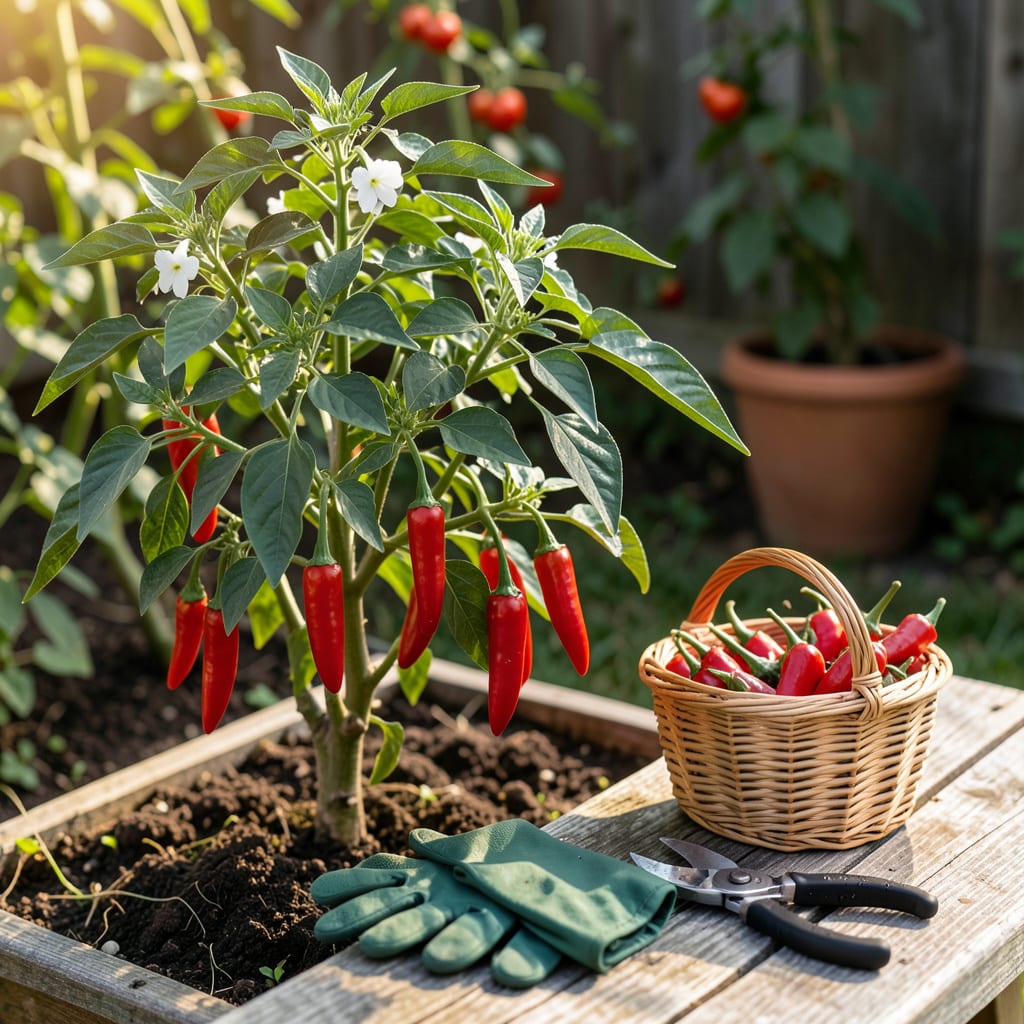
There’s nothing like the fiery punch of a homegrown Tabasco pepper—if you pick it at the right moment. Harvest too soon, and you’ll miss that signature heat; wait too long, and the flavor fades fast.
I’ve learned the hard way that timing is everything with these peppers. From their telltale color shift to the perfect firmness, I’ll show you exactly how to spot the ideal harvest window—so every pepper packs maximum flavor and spice.


Timing your Tabasco pepper harvest is all about watching for visual and physical cues. These peppers don’t ripen all at once, so I check my plants every 2-3 days once they start changing color. The transition from green to red is your first big clue—but there’s more to it than just color.
Size matters too. A mature Tabasco pepper typically reaches 2-3 inches long and about ½ inch wide. If they’re still small and stubby, they need more time. I’ve found that peppers harvested at this size deliver the best balance of heat and flavor.
The color progression is your best indicator. Tabasco peppers start green, then turn yellow, orange, and finally bright red. I wait until they’re at least 80% red before picking—this ensures maximum capsaicin development (that’s the compound that gives peppers their heat!).
Texture tells you a lot too. Give the pepper a gentle squeeze—it should feel firm but slightly yielding, like a ripe tomato. If it’s rock-hard, it’s not ready. If it’s squishy, you’ve waited too long. I also check the stem connection; a ripe pepper will snap off cleanly with a slight twist.
Don’t ignore the aroma. Ripe Tabasco peppers have a distinct, slightly sweet scent with a hint of spice. If you smell nothing, they’re not ready. I’ve noticed that peppers harvested at peak ripeness have a more complex flavor profile—fruity notes with a sharp, clean heat.
If you’re growing Tabasco peppers for drying or sauces, you can let them stay on the plant a bit longer until they’re fully red. For fresh use, I pick them when they’re mostly red with a bit of orange—this gives a slightly milder heat that’s perfect for salsas or hot sauces.
Watch the weather forecast too. If a cold snap or heavy rain is coming, I harvest all nearly-ripe peppers to prevent damage. They’ll continue ripening indoors if kept at room temperature. Just place them in a paper bag with a banana to speed up the process!
Remember that first harvest usually happens around 75-90 days after transplanting. After that, you’ll get a steady supply if you pick regularly. I mark my calendar when I see the first flowers, then count forward to estimate harvest time.
One final tip: Always use clean pruners or scissors to avoid damaging the plant. I sanitize mine with rubbing alcohol between uses to prevent disease. A sharp, clean cut ensures the plant keeps producing new peppers all season long 🌱.
Harvesting Tabasco peppers the right way ensures your plant keeps producing all season. I’ve found that using the proper technique makes a huge difference—not just for this harvest, but for future ones too. The key is being gentle but decisive to avoid stressing the plant.
First, always use clean, sharp tools. I prefer small pruning shears or scissors, but you can also pinch peppers off with your fingers if they’re fully ripe. The stem should snap cleanly when twisted gently. If it resists, the pepper isn’t ready—or you need sharper tools!
*Pro tip: Harvest in the early morning when peppers are crispest!
The frequency of harvesting affects your plant’s productivity. I pick my Tabasco peppers every 3-5 days during peak season. Regular harvesting signals the plant to produce more flowers, which means more peppers! If you leave overripe peppers on the plant, it may stop producing new ones.
After harvesting, I always inspect the plant for signs of stress. Look for yellowing leaves or wilting—these could indicate overwatering or pest issues. A quick spray with neem oil can prevent common problems like aphids. Also, remove any damaged or diseased peppers immediately to protect the rest of the plant.
If you’re harvesting for fresh use, pick peppers when they’re mostly red but still firm. For drying or sauces, let them ripen fully to deep red. I’ve noticed that peppers left on the plant longer develop a slightly sweeter, fruitier flavor underneath that fiery heat.
Don’t forget to wear gloves if you have sensitive skin—Tabasco peppers are hot! I keep a pair of lightweight gardening gloves handy to avoid accidental burns. Even brushing against the peppers can transfer capsaicin to your skin, so it’s better to be safe than sorry.
Finally, post-harvest care matters. Store fresh peppers in a paper bag in the fridge for up to 2 weeks, or dry them for long-term use. I like to string them up in a warm, dry place—it’s a great way to preserve their heat and add rustic decor to my kitchen! 🌿
Even experienced gardeners can make mistakes when harvesting Tabasco peppers. I’ve learned the hard way that timing errors and poor handling can ruin an entire crop. The good news? These mistakes are easy to avoid once you know what to watch for.
The most common blunder is picking too early. Green Tabasco peppers lack the full heat and complex flavor of ripe ones. I wait until they’re at least 80% red before harvesting. If you’re impatient, remember: peppers left on the plant develop 30% more capsaicin in their final days!
*Fix it fast: Harvest before storms, sanitize tools with rubbing alcohol, and check plants daily during peak season.
Another critical mistake is waiting too long. Overripe Tabasco peppers become mushy and lose their vibrant flavor. I harvest immediately when peppers turn dull red or brown. These are still usable but best for drying—not fresh eating. Pro tip: Check plants every 2-3 days during peak season to catch them at prime ripeness.
Improper post-harvest handling can also ruin your crop. Never wash peppers until ready to use—moisture speeds up rot. I store mine in paper bags (not plastic) in the fridge for up to 2 weeks. For longer storage, string them in a dry, ventilated area. Avoid direct sunlight, which degrades their color and heat.
Climate plays a bigger role than many realize. In hot, dry regions, peppers ripen faster and may need watering every 1-2 days. In humid areas, watch for fungal diseases. I adjust my harvest schedule based on the forecast—picking early if heavy rain is expected to prevent splitting.
Finally, don’t forget plant care after harvesting. I always give my Tabasco plants a balanced fertilizer (10-10-10) after a big harvest to encourage new growth. Remove any damaged leaves or peppers to prevent pests. With proper care, your plant will keep producing until the first frost! 🌱
Tabasco peppers typically reach full ripeness in 75-90 days after transplanting. The first harvest usually occurs around 75 days, with continuous production until frost. Check plants daily once they start changing color.
You can, but they won’t have developed their full heat or flavor. Green Tabasco peppers are milder and lack the complex, fruity notes of ripe ones. For best results, wait until they’re at least 80% red before harvesting.
Store fresh peppers in a paper bag in the refrigerator for up to 2 weeks. For longer storage, dry them by stringing in a warm, ventilated area. Never use plastic bags—trapped moisture causes premature spoilage.
This usually indicates insufficient sunlight or cool temperatures. Tabasco peppers need 6+ hours of direct sun daily and warm conditions to ripen properly. If nights are cool, consider using row covers to retain heat.
Check plants every 2-3 days during peak season. Regular harvesting encourages more production. I typically harvest every 3-5 days when peppers are at their prime. Don’t let overripe peppers remain on the plant too long.
