
Beautiful Plants For Your Interior
Beautiful Plants For Your Interior
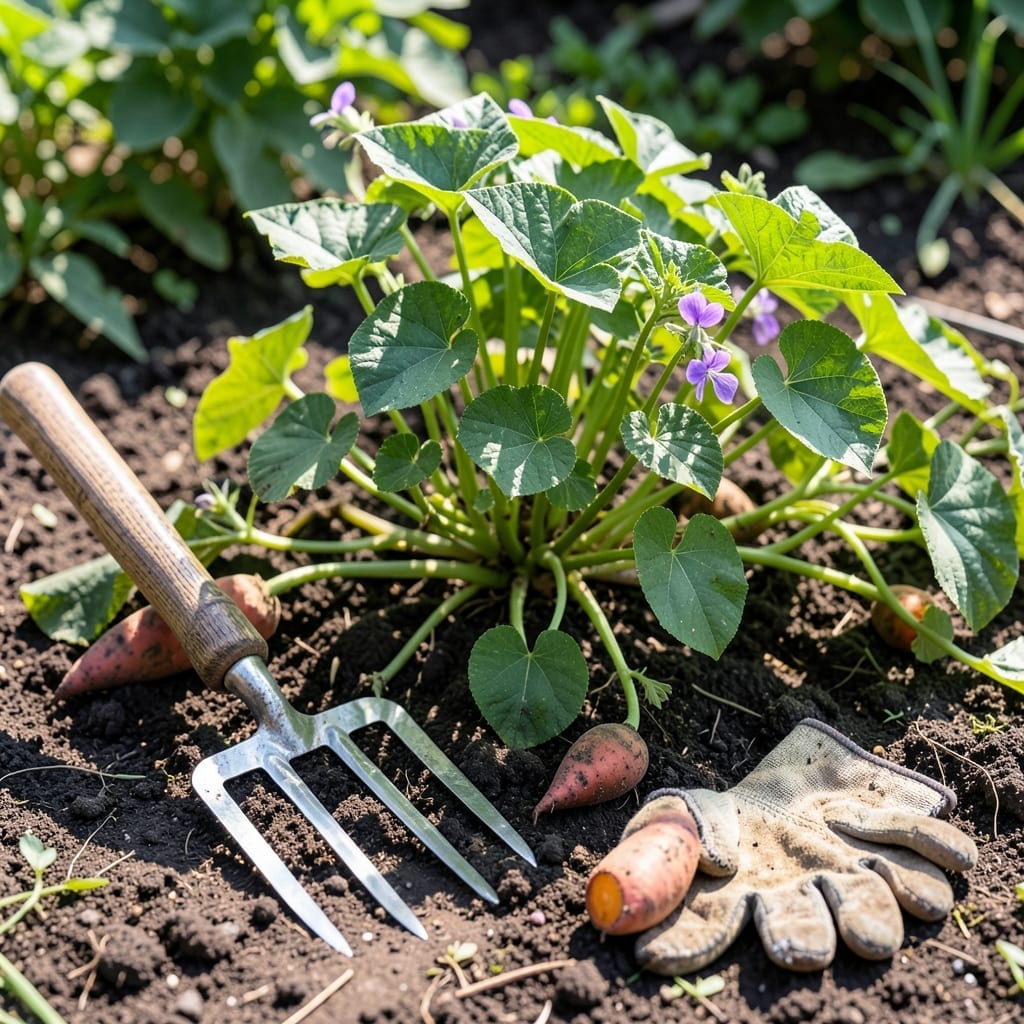
Knowing exactly when to harvest Sweet Potato 🍠 can mean the difference between a lackluster crop and a bumper yield of flavorful, nutrient-packed tubers. Timing is everything with this warm-season favorite.
I’ve seen gardeners miss the perfect window by just a few days, and it makes all the difference. The signs are subtle but unmistakable once you know what to look for.
From leaf color changes to vine behavior, your plants will tell you when they’re ready. I’ll show you the most reliable indicators to watch for in zone 6.
Discover how to time your harvest perfectly for the best flavor and storage potential from your spring-planted crop.
I’ve found that sweet potato maturity varies by variety and growing conditions. Most types take 90 to 120 days from planting to harvest, but timing can shift with climate and care.
In my experience, warmer regions speed up growth, while cooler climates may extend the timeline. Knowing your variety’s days to maturity helps you plan the perfect harvest window.
| Variety | Days to Maturity | Key Traits |
|---|---|---|
| Beauregard | 90-100 days | Copper skin, orange flesh, high yield |
| Georgia Jet | 90 days | Deep orange, early producer, cold-tolerant |
| Centennial | 100 days | Rose skin, sweet flavor, stores well |
| Jewel | 100-110 days | Bright orange, moist texture, disease-resistant |
| Bonita | 100-120 days | White flesh, dry texture, long storage |
I always recommend checking your seed packet for the exact days to maturity. This number is a guideline, but soil temperature and moisture levels can adjust it by 10-15 days either way.
In my garden, Beauregard sweet potatoes often finish in 95 days when planted in warm, loose soil. Cooler springs can push this to 105 days, so I monitor foliage changes closely.
Georgia Jet is my go-to for short seasons because it matures in just 90 days. It’s ideal for northern gardeners or anyone eager for an early harvest.
For longer growing seasons, I love Jewel or Centennial. These varieties thrive with 100+ days of warmth, producing larger, sweeter tubers if given the time.
I’ve noticed that consistent watering and full sun can shave 5-10 days off maturity. Meanwhile, drought or shade may delay development, so I prioritize optimal conditions.
If you’re in USDA Zone 6 or cooler, start slips indoors 4-6 weeks early. This head start helps 100-day varieties reach maturity before first frost.
Remember, these timelines are for ideal conditions. I always test-dig one tuber at the 90-day mark to gauge progress before a full harvest.
Watching the vines and leaves is my favorite way to confirm readiness. When they start yellowing and dying back, it’s nature’s signal that harvest time is near.
In my books, patience pays off. Rushing the harvest often means smaller, less flavorful sweet potatoes, so I let them grow until they’re truly ready.
Timing your sweet potato harvest perfectly ensures the best flavor and storage life. I watch for visual cues like yellowing leaves and vine dieback as the first signs. These indicate the plant is shifting energy to the tubers below.
The thumbnail test is my go-to: gently scratch the tuber skin—if it resists damage, they’re likely ready. Most varieties reach 3-5 inches in length at maturity, but size can vary by type.
I always check the days to maturity for my specific variety. Beauregard typically takes 90-100 days, while Centennial may need 100-110 days. Count from planting to get a rough estimate.
Soil temperature matters too. I harvest before the first frost when night temps drop to 50°F or below. Cold soil can damage tubers, so I act fast if a cold snap is forecasted.
For the most accurate check, I gently dig near the plant base to inspect a test tuber. If it looks mature and the skin is firm, the rest are likely ready. This method prevents guesswork and ensures a perfect harvest.
Remember, harvesting too early gives underdeveloped tubers, while waiting too long risks frost damage. I aim for that sweet spot when the plant and weather conditions align perfectly 🌿